What This Document Is
This resource is a focused exploration of contemporary operating systems, designed for students engaged in advanced computer science coursework. It delves into the core principles and architectural designs that underpin modern OS functionality. Specifically, this material appears to be part of a sequence (Sequence 4) within a broader course on operating systems, suggesting a building-upon-previous-knowledge approach. It examines both theoretical foundations and practical implementations found in widely-used systems.
Why This Document Matters
This material is ideal for computer science students seeking a deeper understanding of how operating systems function beyond a basic user level. It’s particularly valuable for those preparing for more advanced studies in systems programming, software engineering, or cybersecurity. Students currently tackling assignments or projects involving OS concepts will find this a useful reference. It’s best utilized as a companion to lectures and hands-on labs, providing a structured overview of key ideas.
Topics Covered
* Core OS Architectures (including microkernel and symmetric multiprocessing)
* Multiprogramming and Multiprocessing techniques
* Distributed Operating System concepts
* Object-Oriented Design principles in OS development
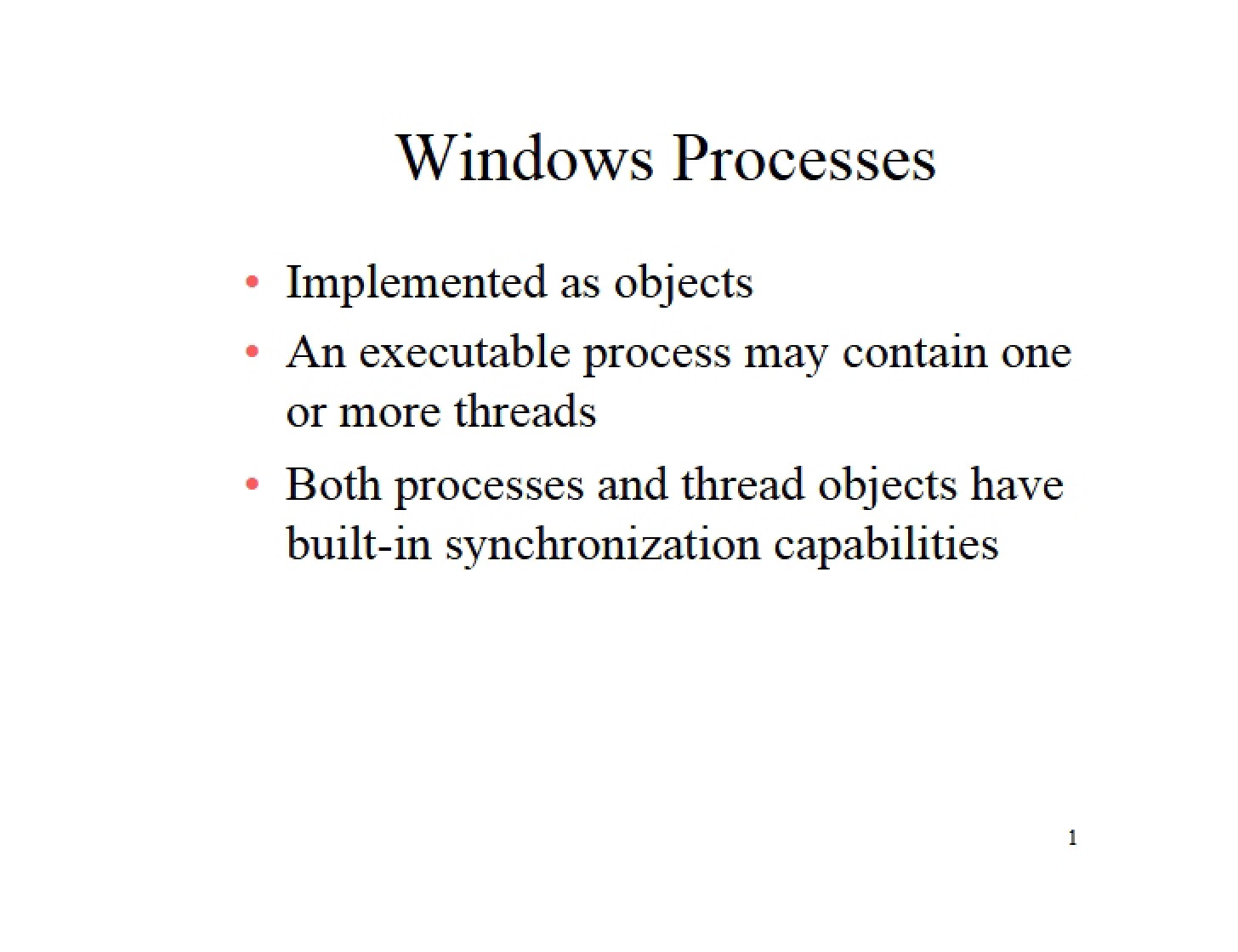
* Specific OS Architecture: Windows
* Kernel-Mode Components and their functions
* User-Mode Processes and their interactions
* Client/Server Models within Operating Systems
* Thread Management and SMP (Symmetric Multiprocessing)
What This Document Provides
* A detailed examination of different operating system designs and their trade-offs.
* Insights into the organization of a complex operating system like Windows.
* An overview of the key components within both kernel and user modes.
* Conceptual frameworks for understanding how processes and threads are managed.
* A foundation for exploring advanced topics in operating system security and performance.
* Visual aids (figures) illustrating key concepts like multiprogramming and multiprocessing.