What This Document Is
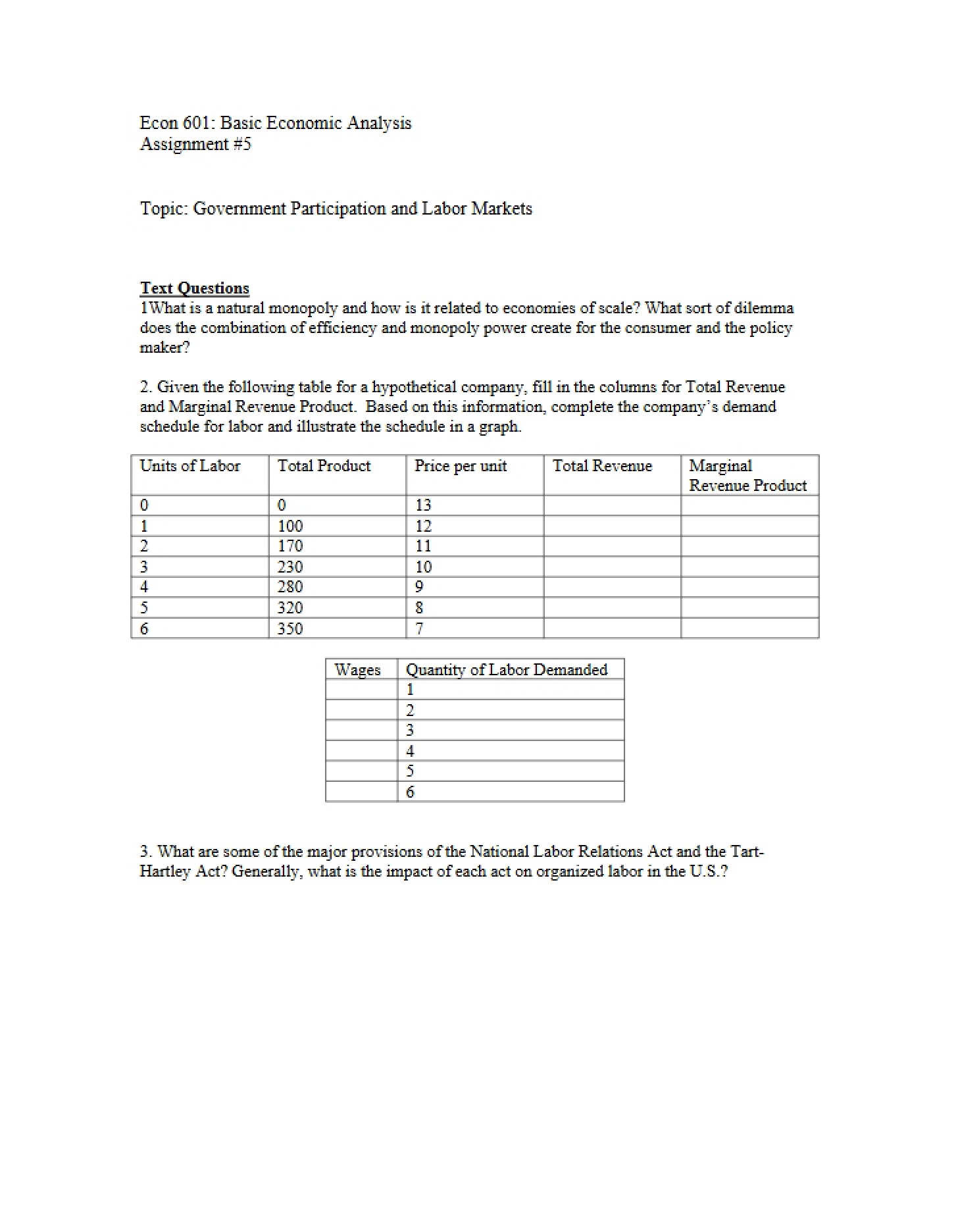
This is a graded assignment for ECON 6010: Basic Economic Analysis at Western Michigan University. It’s designed to assess your understanding of core international trade principles and foundational microeconomic concepts like consumer surplus and comparative advantage. The assignment combines multiple-choice questions with short-answer problems requiring application of economic models. It focuses on how nations benefit (or potentially experience challenges) from engaging in international trade.
Why This Document Matters
This assignment is crucial for students enrolled in introductory economics courses, particularly those focusing on international economics or microeconomics. Successfully completing this work demonstrates a grasp of key theories related to trade, specialization, and market equilibrium. It’s best utilized *after* studying relevant textbook chapters and attending lectures on these topics – think of it as a checkpoint to solidify your understanding before moving on to more advanced material. It’s also valuable practice for exam preparation, as the question formats are representative of typical assessment methods.
Common Limitations or Challenges
This assignment does not provide a comprehensive review of all economic principles. It assumes you have a foundational understanding of supply and demand, opportunity cost, and basic trade theory. It also doesn’t offer step-by-step solutions or detailed explanations; it’s designed to test *your* ability to apply the concepts learned in class. The assignment focuses on theoretical application and doesn’t delve into real-world policy debates or current events.
What This Document Provides
* A series of multiple-choice questions testing understanding of trade advantages, consumer/producer effects, and the impact of trade on national income.
* Problem-solving exercises requiring the calculation of market equilibrium in both autarky (no trade) and open trade scenarios.
* Application of economic principles to a hypothetical scenario involving subsidies and comparative advantage.
* Opportunities to demonstrate understanding of how trade affects a nation’s consumption possibilities.
* A framework for analyzing the gains from trade, even when domestic industries face competition.