What This Document Is
This document is a comprehensive exam for MKTG 351: Consumer Behavior, offered at the University of South Carolina. It’s designed to assess your understanding of core principles and theories related to how individuals and groups make decisions about purchasing goods and services. The exam focuses on applying these concepts to real-world marketing scenarios. It tests knowledge across a broad spectrum of consumer behavior topics, from cognitive processes to external influences.
Why This Document Matters
This resource is invaluable for students currently enrolled in a Consumer Behavior course, particularly those preparing for a high-stakes exam. It’s ideal for self-assessment, identifying knowledge gaps, and reinforcing key concepts before a formal evaluation. Utilizing this exam will help you gauge your preparedness and focus your study efforts on areas where you need the most improvement. It’s best used *after* completing assigned readings and participating in class discussions, as a culminating check of your understanding.
Common Limitations or Challenges
This exam is a tool for self-evaluation and does not include detailed explanations of correct answers. It’s designed to *test* your knowledge, not to teach it. Successfully navigating this exam requires a solid foundation in the course material. It does not substitute for attending lectures, completing assignments, or engaging with the professor and teaching assistants. Furthermore, the exam format and specific questions may vary in actual course assessments.
What This Document Provides
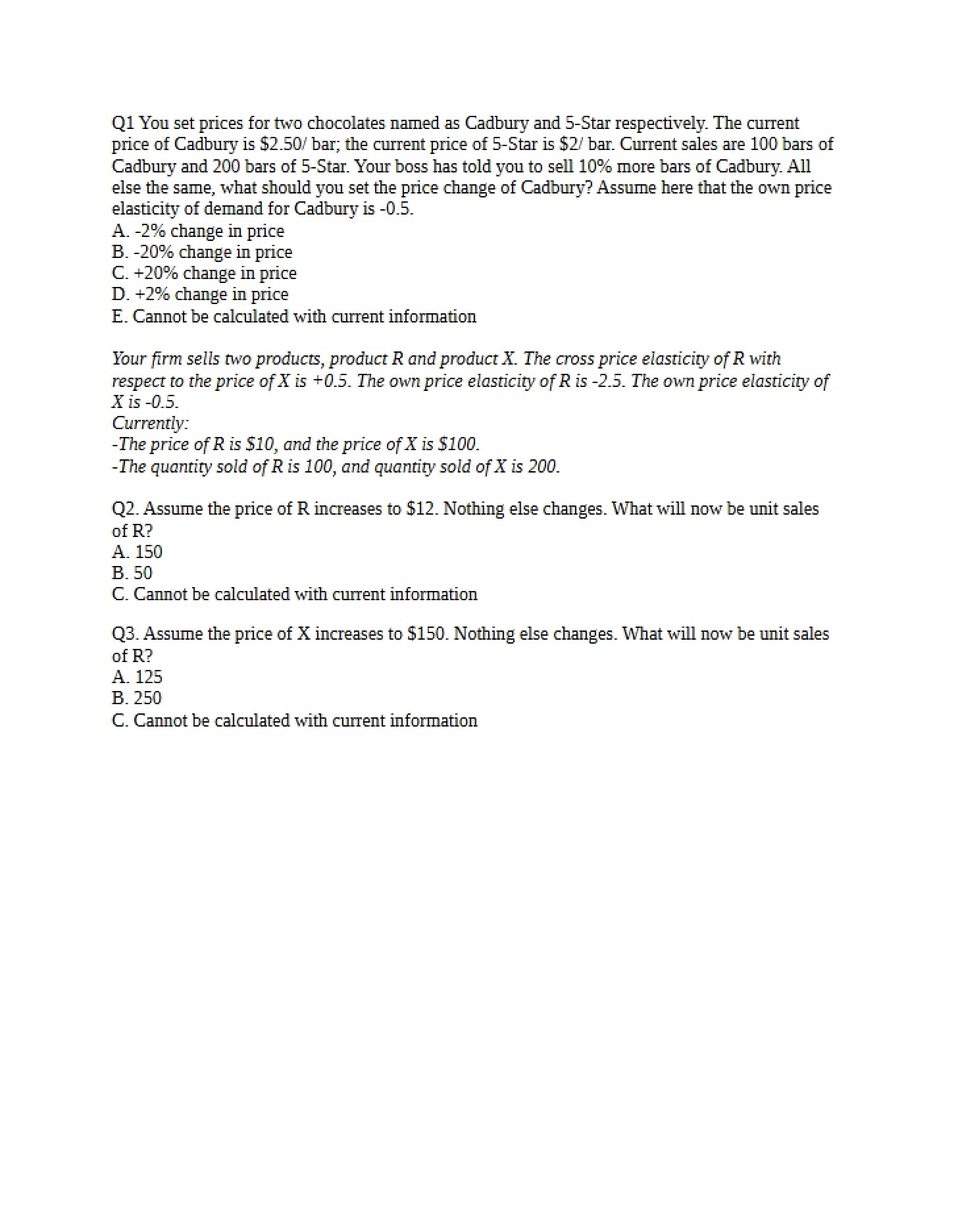
* A series of multiple-choice questions covering a wide range of consumer behavior topics.
* Questions relating to cognitive and behavioral decision-making processes.
* Assessment of understanding regarding marketing strategies (pull vs. push).
* Exploration of the role of conditioning and learning in shaping consumer attitudes.
* Questions concerning the impact of reference groups and cultural factors on consumer choices.
* Evaluation of knowledge related to problem recognition and alternative evaluation.
* Coverage of promotional strategies and their effect on consumer behavior.
* Questions relating to international marketing approaches.