What This Document Is
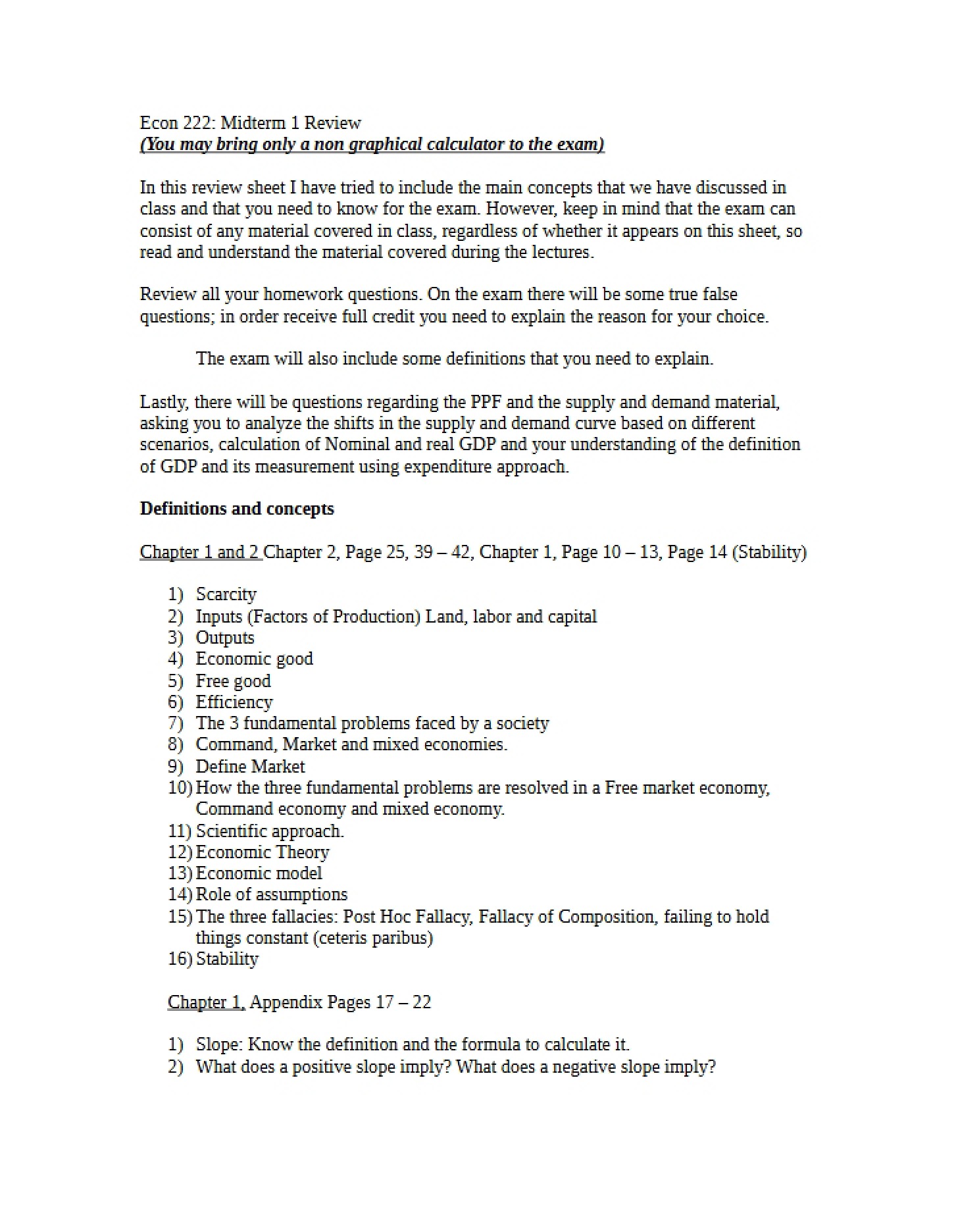
This is a comprehensive study guide designed to support students enrolled in Principles of Macroeconomics (ECON 222) at the University of South Carolina. It focuses on foundational concepts crucial for understanding the broader economic landscape, moving beyond individual markets to analyze the economy as a whole. The guide is structured to aid in exam preparation and reinforce core principles discussed in the course.
Why This Document Matters
This study guide is an invaluable resource for any student aiming to succeed in ECON 222. It’s particularly helpful when reviewing lecture material, preparing for assessments, and solidifying your grasp of complex macroeconomic theories. Students who utilize this guide will be better equipped to analyze real-world economic events and understand the forces that shape national and global economies. It’s most beneficial when used in conjunction with course readings and class notes, serving as a central point for review and consolidation.
Common Limitations or Challenges
This study guide is intended as a *supplement* to the course material, not a replacement. It does not contain the full scope of lectures, assigned readings, or in-class discussions. It also doesn’t offer worked examples or solutions to practice problems – those are best addressed through active participation in the course and independent study. The guide focuses on defining and outlining key concepts; applying those concepts requires further practice and critical thinking.
What This Document Provides
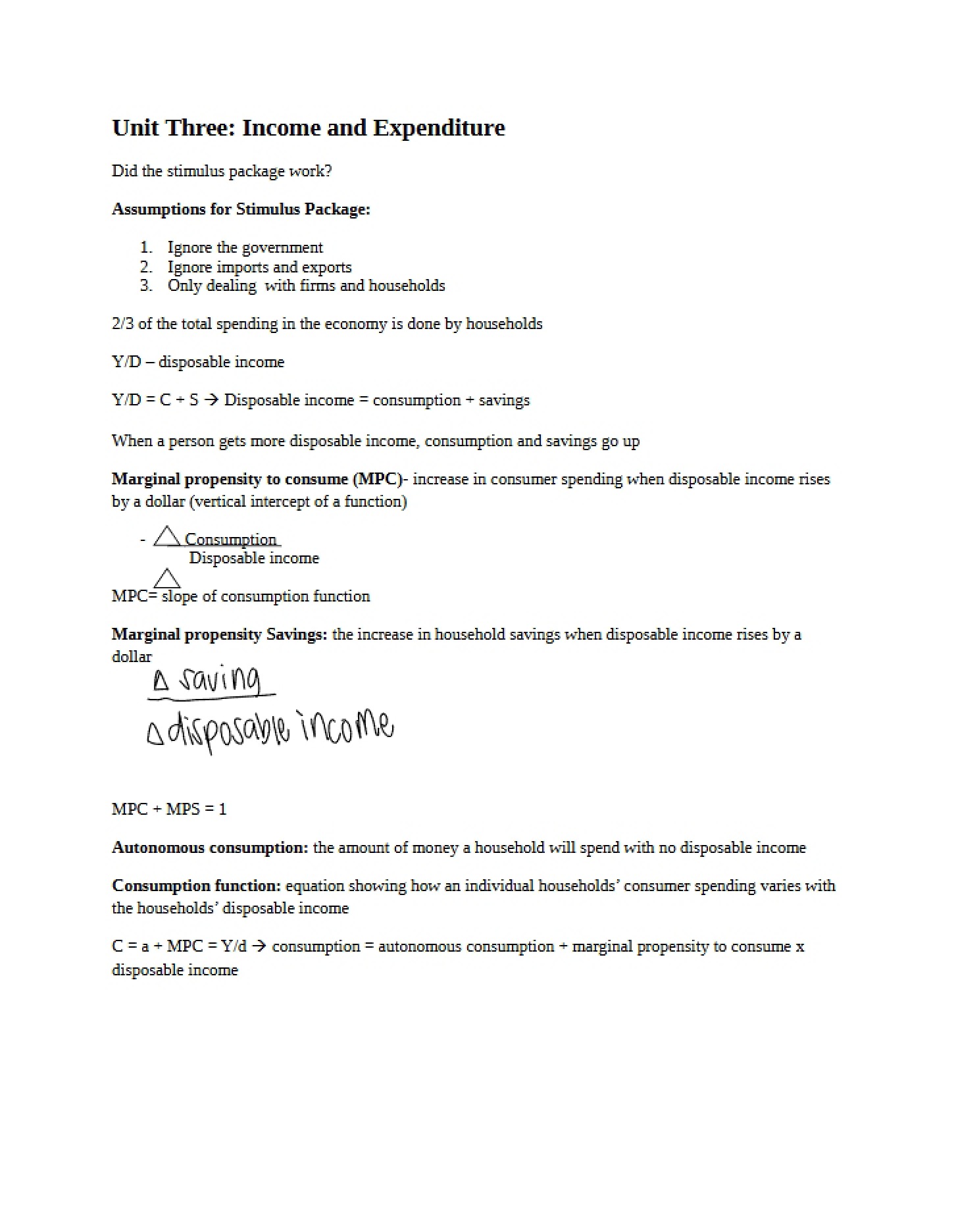
* Definitions of core macroeconomic concepts, such as GDP, inflation, and unemployment.
* An overview of the fundamental differences between microeconomics and macroeconomics.
* Explanations of the factors that influence a nation’s standard of living and economic growth.
* A discussion of different economic systems and the role of government intervention.
* Key principles relating to economic trade-offs, incentives, and market efficiency.
* An introduction to the relationship between monetary policy and economic stability.
* An outline of the cyclical nature of economic activity, including booms and recessions.