What This Document Is
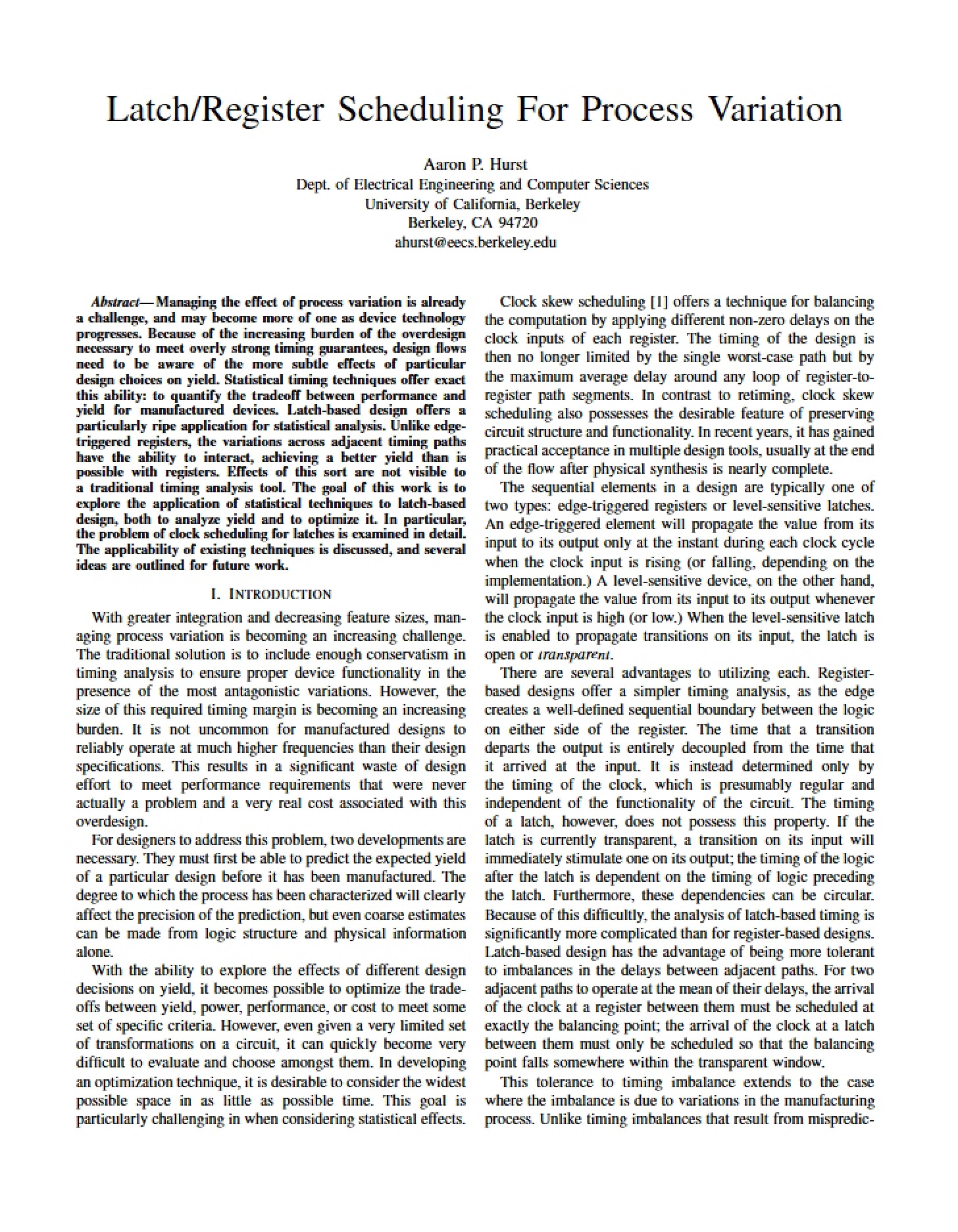
This is a focused exploration of advanced concepts within Computer-Aided Design, specifically addressing the complexities of asynchronous circuit design. It delves into the theoretical underpinnings and practical considerations for building digital systems that don’t rely on a global clock signal. The material bridges the gap between traditional synchronous design methodologies and the nuances of asynchronous approaches, offering a detailed look at the challenges and benefits of each. It’s geared towards students and professionals seeking a deeper understanding of non-clocked digital systems.
Why This Document Matters
This resource is invaluable for students enrolled in advanced digital logic design courses, particularly those focusing on VLSI systems and low-power design. It’s also beneficial for engineers working on projects where clock distribution is a significant bottleneck, or where asynchronous interfaces are required. Understanding these concepts is increasingly important as designers push the boundaries of performance and efficiency in modern electronic systems. Access to the full content will equip you with the knowledge to analyze and potentially implement asynchronous design techniques.
Topics Covered
* Fundamental principles of asynchronous circuit operation
* Comparison between synchronous and asynchronous design paradigms
* Asynchronous communication protocols and signaling techniques
* Design styles for asynchronous circuits, including micropipelines
* The role of delay in asynchronous circuit behavior
* Verification and testing methodologies specific to asynchronous designs
* Globally Asynchronous, Locally Synchronous (GALS) methodologies
* Implications for logic synthesis and design automation
What This Document Provides
* A comprehensive outline of key concepts in asynchronous design.
* Detailed discussion of the motivations for adopting asynchronous approaches.
* Examination of the core differences in design philosophies between synchronous and asynchronous systems.
* Exploration of the unique challenges in verifying and testing asynchronous circuits.
* Insight into various data encoding schemes used in asynchronous communication.
* A foundation for understanding the trade-offs involved in different asynchronous design choices.