What This Document Is
This is a focused review resource designed to help students prepare for an exam in Dental Pharmacology (PCOL 331) at the University of Illinois at Chicago. It comprehensively covers key principles and concepts essential for understanding how drugs interact with the body, specifically within the context of dental applications. This material consolidates important information presented throughout the course, offering a structured approach to exam preparation.
Why This Document Matters
This resource is invaluable for students seeking to solidify their understanding of pharmacological principles before a significant assessment. It’s particularly helpful for those who benefit from a concise, organized review of complex topics. Utilizing this material can help identify areas needing further study and improve overall exam confidence. It’s best used in the days and weeks leading up to an exam, as a complement to lecture notes and textbook readings.
Topics Covered
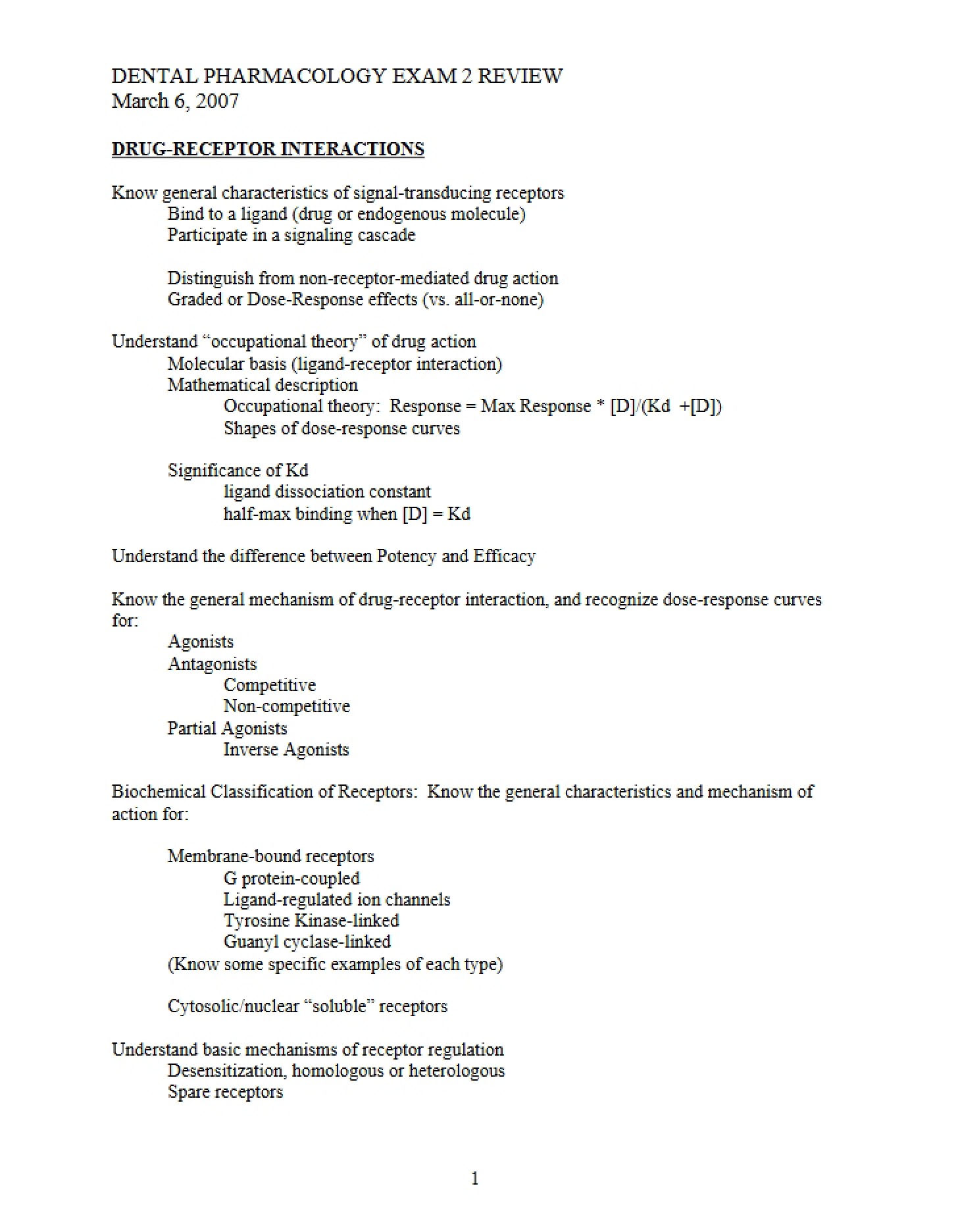
* Drug-Receptor Interactions & Dose-Response Relationships
* Biochemical Classification of Receptors (G protein-coupled, ligand-regulated ion channels, etc.)
* Receptor Regulation Mechanisms
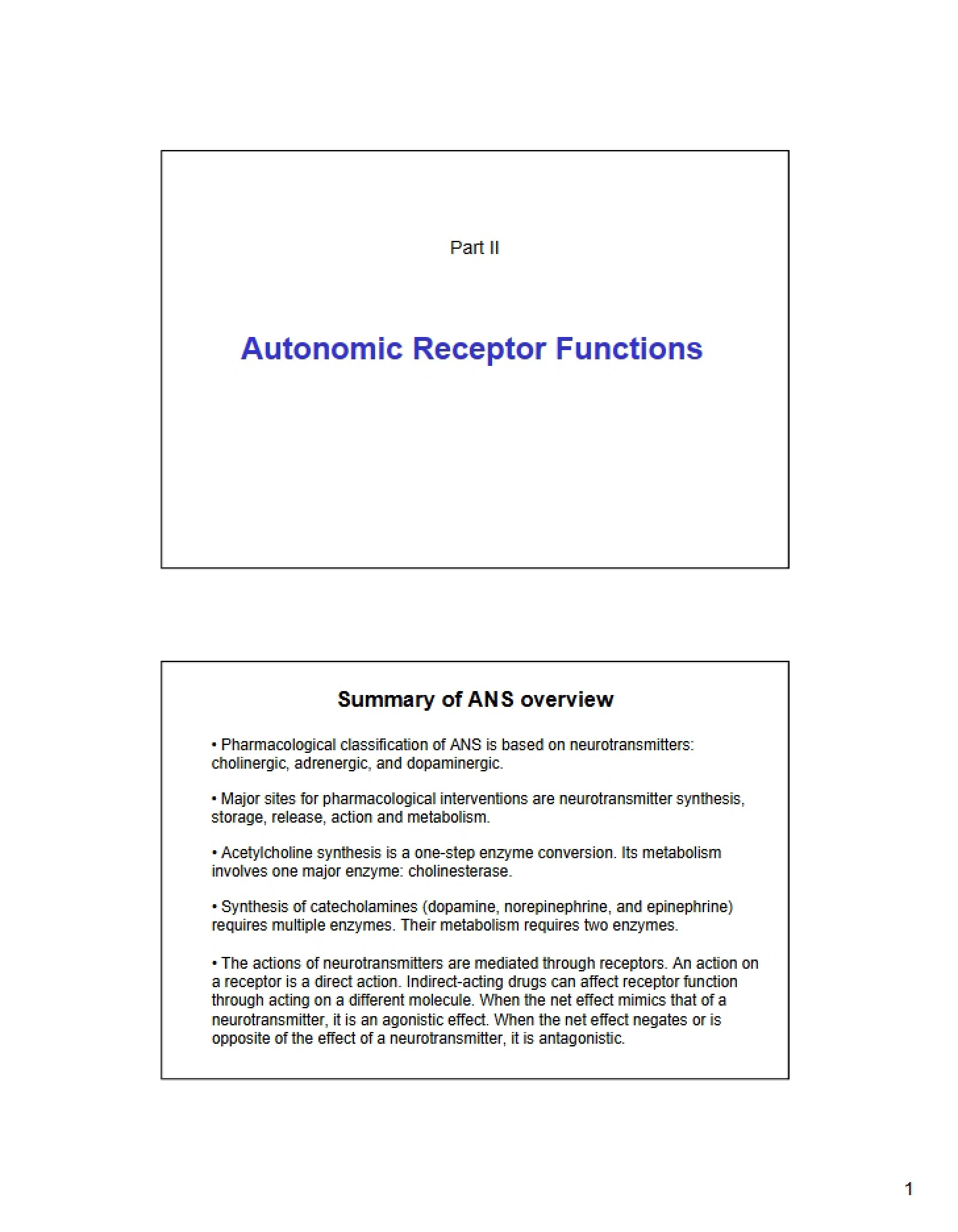
* Autonomic Pharmacology: Cholinergic & Adrenergic Systems
* Neurotransmission Processes & Drug Intervention Points
* Receptor Agonism, Antagonism & Functional Types
* Predominant Innervation of Major Organ Systems (Eye, Heart, Vascular Smooth Muscle, etc.)
* Cholinergic Neuron Function & Receptor Types
What This Document Provides
* A detailed overview of the fundamental principles governing drug action.
* A comparative analysis of different receptor types and their mechanisms.
* A structured exploration of the autonomic nervous system’s role in pharmacology.
* Insights into how drugs interact with neurotransmission processes.
* A framework for predicting physiological responses to pharmacological interventions based on organ system innervation.
* Key terminology and concepts frequently tested in dental pharmacology examinations.