What This Document Is
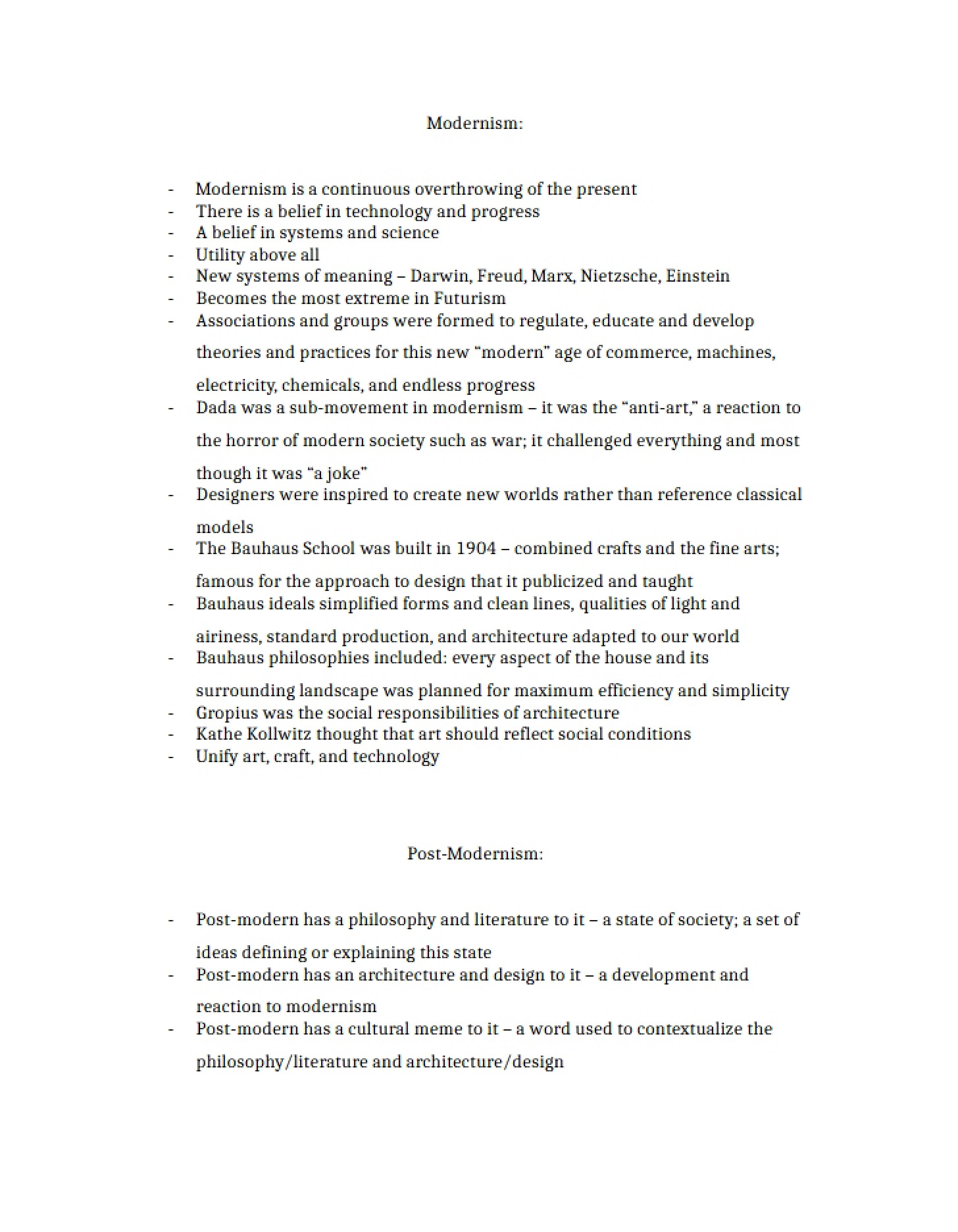
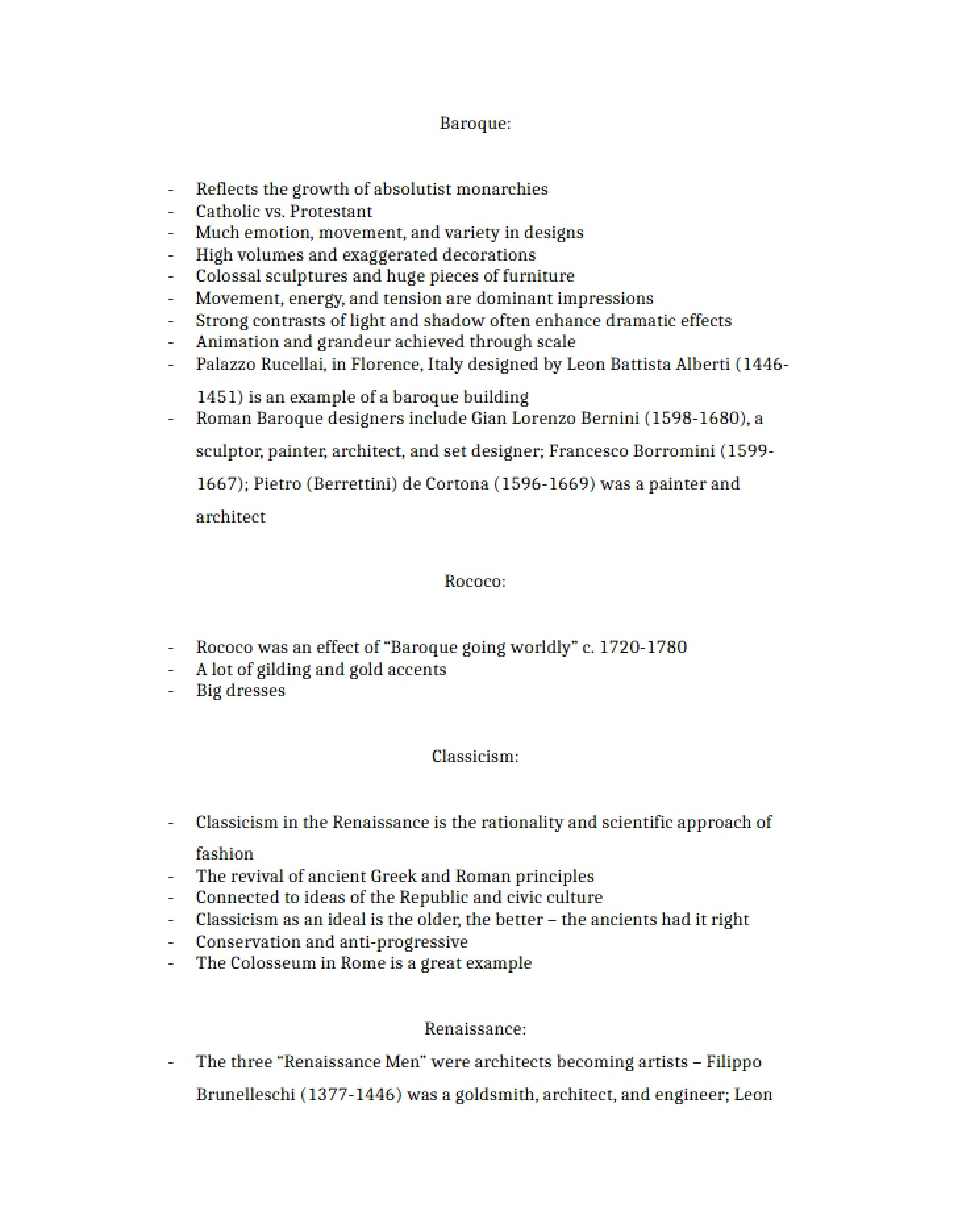
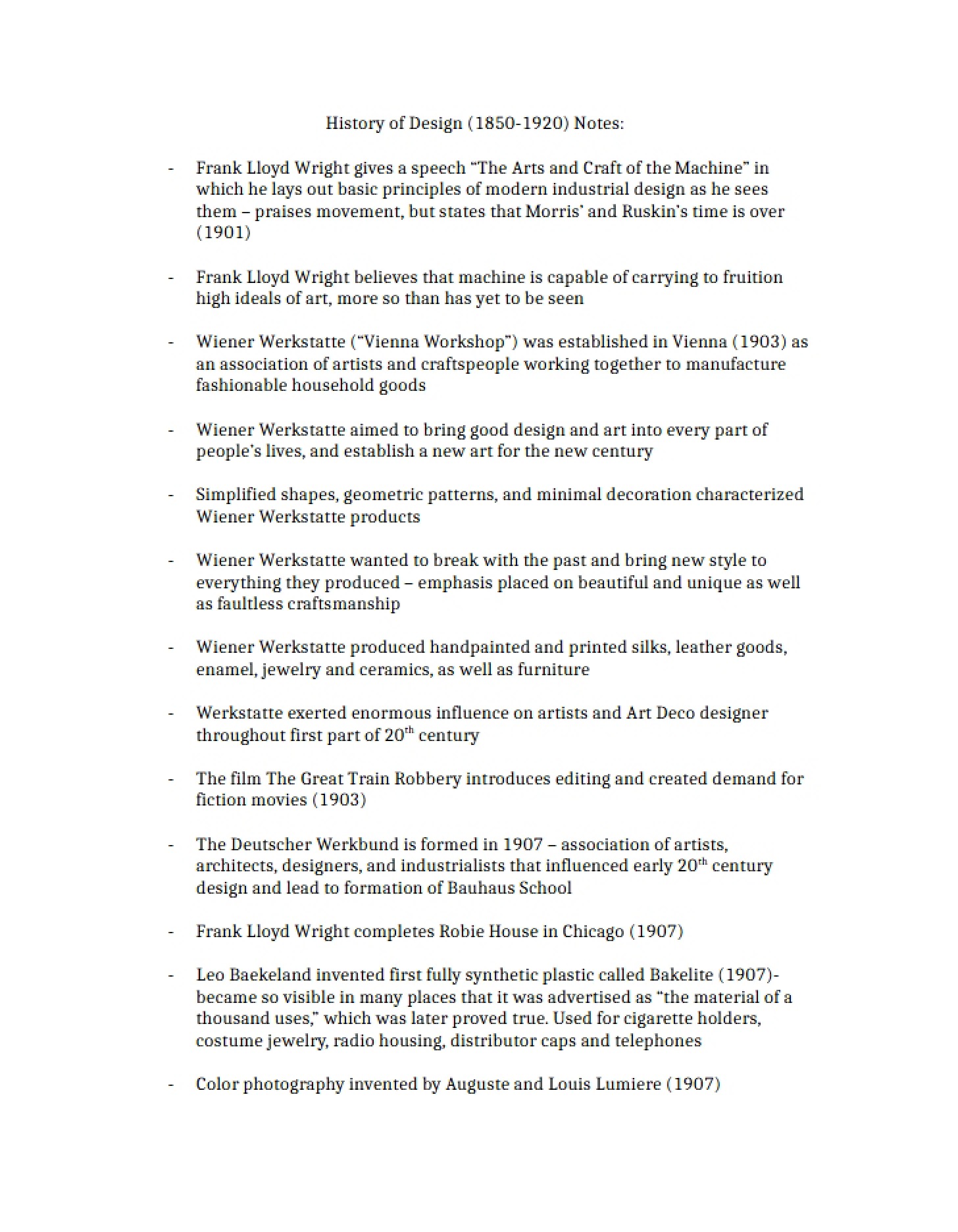
This study guide offers a focused exploration of design history, specifically covering the period between 1850 and 1920. It delves into the significant shifts and developments that shaped the aesthetic landscape of the late 19th and early 20th centuries. The material concentrates on the interplay between industrialization, artistic movements, and emerging consumer culture, examining how these forces influenced design practices and philosophies. It’s a foundational resource for understanding the roots of modern design.
Why This Document Matters
Students enrolled in introductory design courses, particularly those focusing on historical context, will find this guide invaluable. It’s especially helpful when preparing for lectures, supplementing textbook readings, or reviewing key concepts before assessments. Designers seeking to understand the origins of contemporary styles and principles will also benefit from this overview. Anyone interested in the social and cultural forces that shaped the visual world during a period of rapid change will appreciate the insights contained within.
Common Limitations or Challenges
This guide provides a concentrated overview and does not offer an exhaustive account of every designer, style, or event within the specified timeframe. It focuses on major trends and influential figures, but doesn’t delve into highly specialized areas or regional variations in great detail. It’s designed to be a starting point for further research, not a complete and self-contained resource. It also doesn’t include visual examples or detailed analyses of specific artifacts.
What This Document Provides
* An overview of the impact of industrialization on design and craftsmanship.
* Key events and exhibitions that marked turning points in design history.
* Information on the emergence of new materials and technologies.
* Context surrounding the development of influential design philosophies.
* Insights into the rise of high fashion and its organizational structures.
* Discussion of early architectural innovations and their underlying principles.
* Exploration of the relationship between design and societal trends like consumerism.