What This Document Is
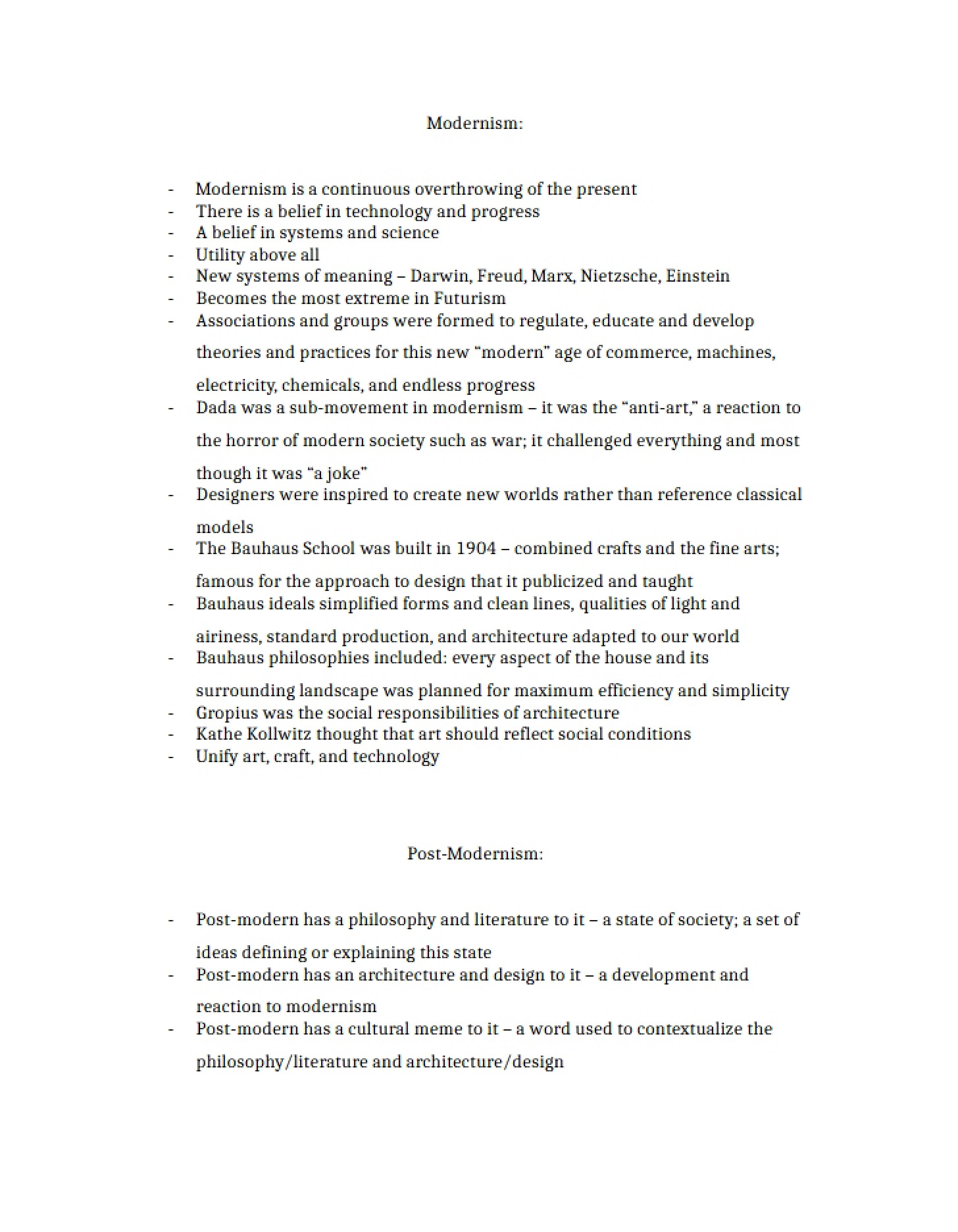
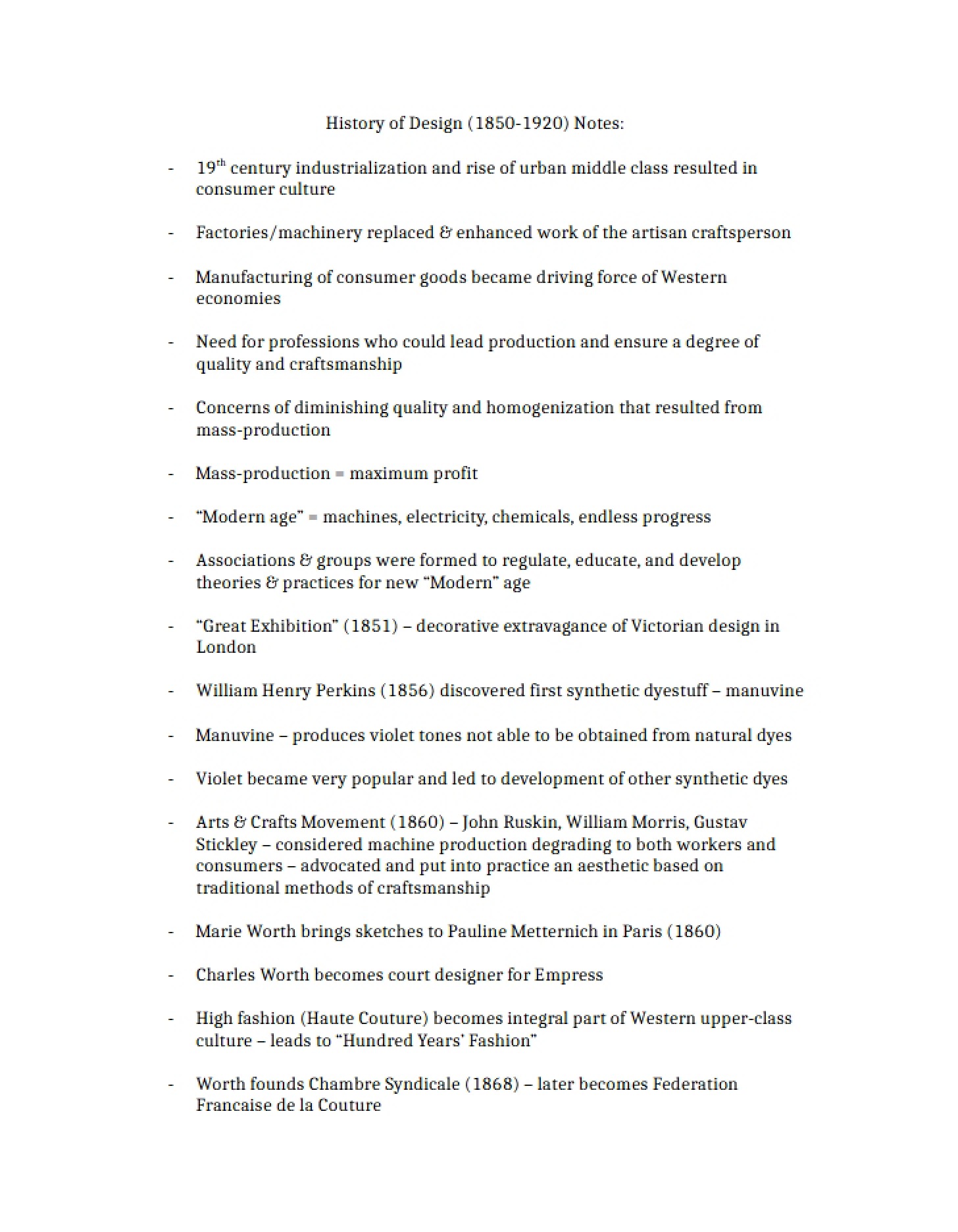
This study guide provides a focused overview of the pivotal period in design history spanning from 1850 to 1920. It delves into the significant shifts, movements, and innovations that shaped the aesthetic landscape of this era, bridging the gap between the Arts and Crafts movement and the dawn of modernism. It’s designed for students seeking a deeper understanding of the historical context underpinning contemporary design principles. The material concentrates on key developments in art, architecture, and applied arts, alongside the emerging influence of industrialization and technological advancements.
Why This Document Matters
This resource is invaluable for students enrolled in introductory design history courses, particularly those needing supplemental material to support lectures and textbook readings. It’s especially helpful when preparing for discussions, essays, or projects requiring a firm grasp of late 19th and early 20th-century design evolution. Individuals interested in understanding the roots of modern design aesthetics, or tracing the lineage of specific styles, will also find this guide beneficial. It’s best utilized *alongside* core course materials to enhance comprehension and retention.
Common Limitations or Challenges
This guide is a concentrated overview and does not offer exhaustive coverage of every designer, style, or event within the 1850-1920 timeframe. It focuses on major trends and influential figures, and does not delve into detailed biographical information or in-depth analyses of individual artworks. It also doesn’t provide a comprehensive exploration of the social or political factors influencing design – these are presented as context, not primary focus. This is not a substitute for primary source research or a complete course syllabus.
What This Document Provides
* Key moments in the transition from traditional craftsmanship to industrial design.
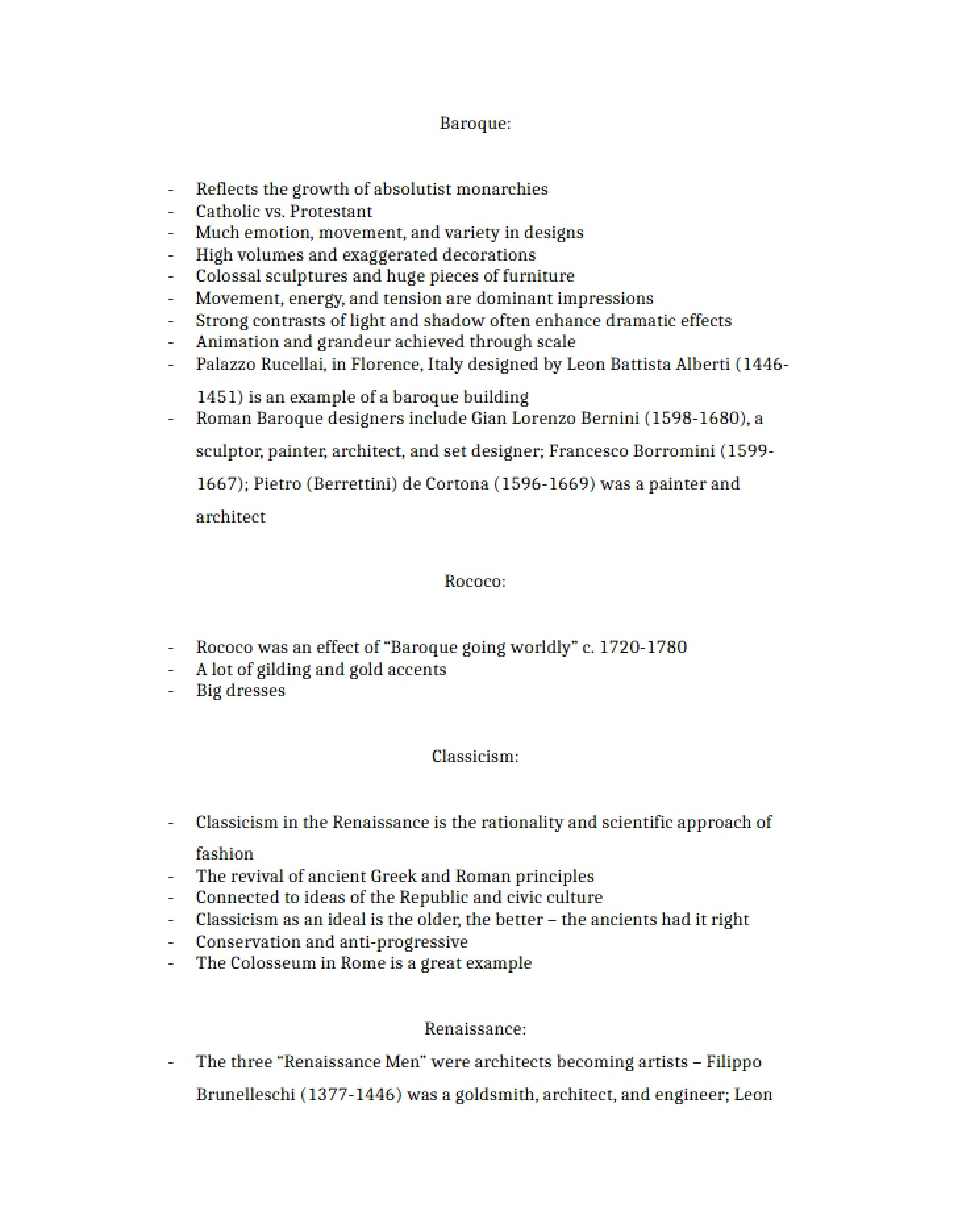
* An overview of influential artistic and design movements of the period.
* Context surrounding the emergence of new materials and technologies.
* Insights into the interplay between art, industry, and societal changes.
* A chronological framework for understanding design developments.
* Discussion of the impact of innovations in areas like photography and film.