What This Document Is
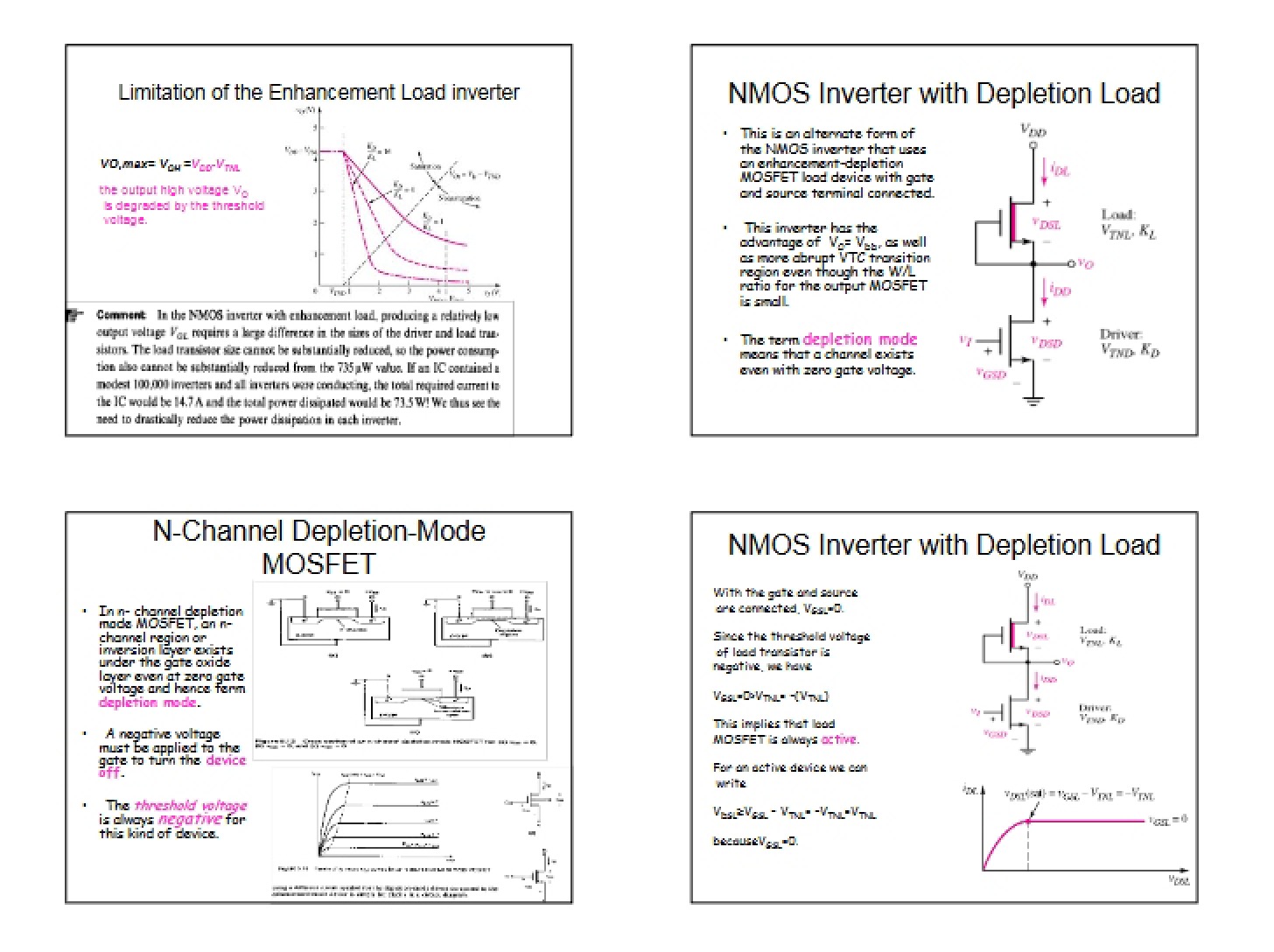
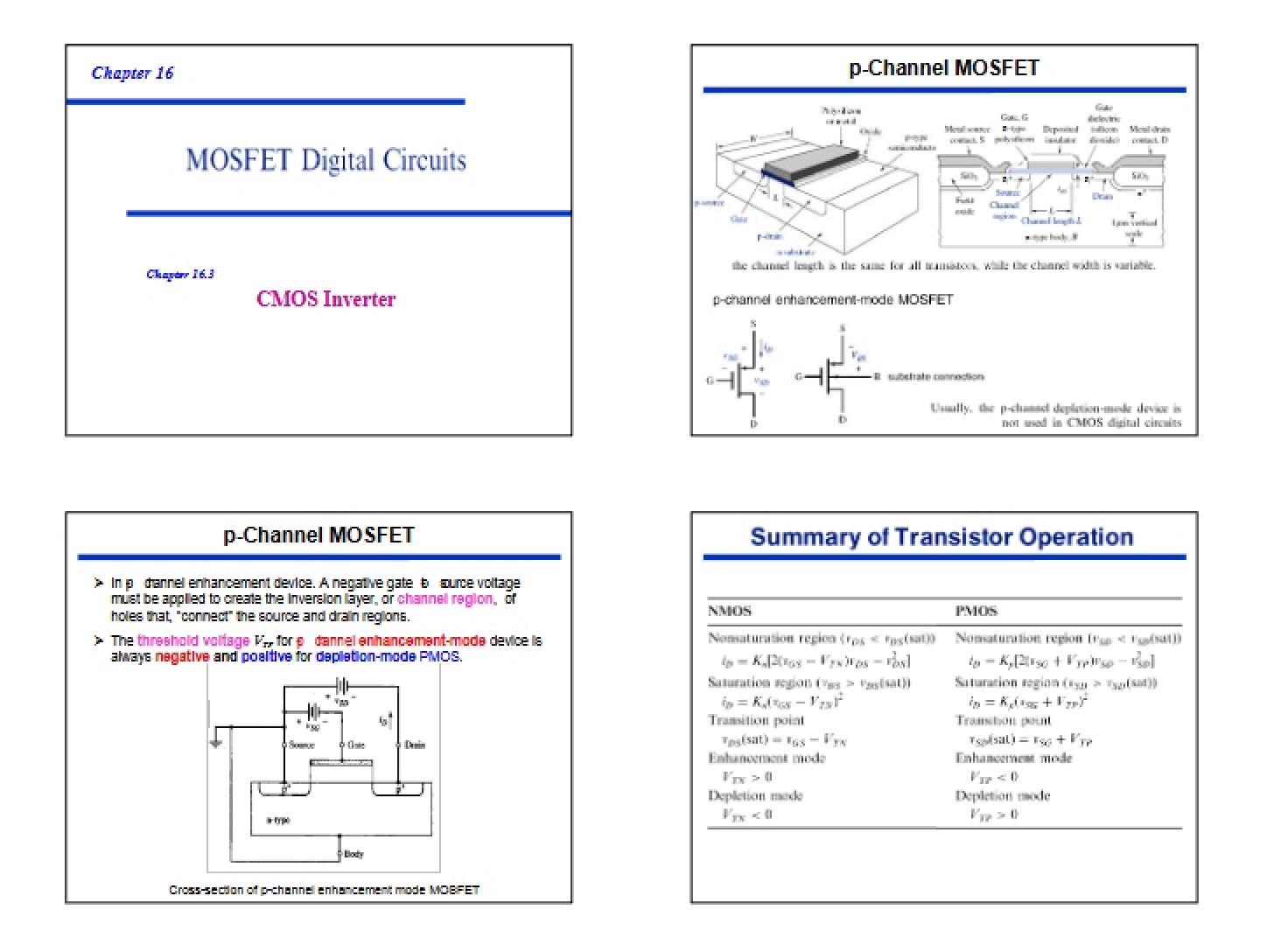
This is a focused exploration of digital electronics, specifically geared towards students in an undergraduate electrical engineering course. It delves into the fundamental building blocks of digital systems, beginning with a detailed examination of Metal-Oxide-Semiconductor Field-Effect Transistors (MOSFETs) – both N-channel variations – and their characteristic behaviors. The material then extends to a comparison with Bipolar Junction Transistors, setting the stage for understanding core digital logic concepts. A significant portion is dedicated to the analysis of the NMOS inverter, a foundational circuit in digital design.
Why This Document Matters
This resource is invaluable for electrical engineering students tackling the complexities of digital circuit analysis and design. It’s particularly helpful when you’re first learning to model transistor behavior and understand how these components are used to create logic functions. Students preparing for labs involving MOSFETs, inverter circuits, or basic logic gate implementation will find this a strong foundation. It’s best utilized *alongside* lectures and hands-on lab work to solidify understanding. Those struggling with the mathematical relationships governing transistor operation will especially benefit from a close study of the concepts presented.
Common Limitations or Challenges
This material focuses on the *theory* and *analysis* of these circuits. It does not provide a comprehensive guide to physical circuit building or troubleshooting. While transistor characteristics are discussed, detailed fabrication processes or advanced modeling techniques are beyond its scope. Furthermore, it concentrates on NMOS inverters as a primary example; other logic families and more complex circuit designs are not covered in depth here. It assumes a foundational understanding of basic circuit analysis principles.
What This Document Provides
* A detailed overview of N-channel MOSFET characteristics in both saturation and non-saturation regions.
* A comparative look at Bipolar Junction Transistor behavior.
* An in-depth exploration of the NMOS inverter, considered the fundamental building block of digital logic.
* Discussion of different NMOS inverter configurations, including enhancement and depletion load designs.
* Considerations for optimizing inverter performance, such as aspect ratio requirements.
* Conceptual framework for analyzing inverter characteristics like transfer curves and switching thresholds.