What This Document Is
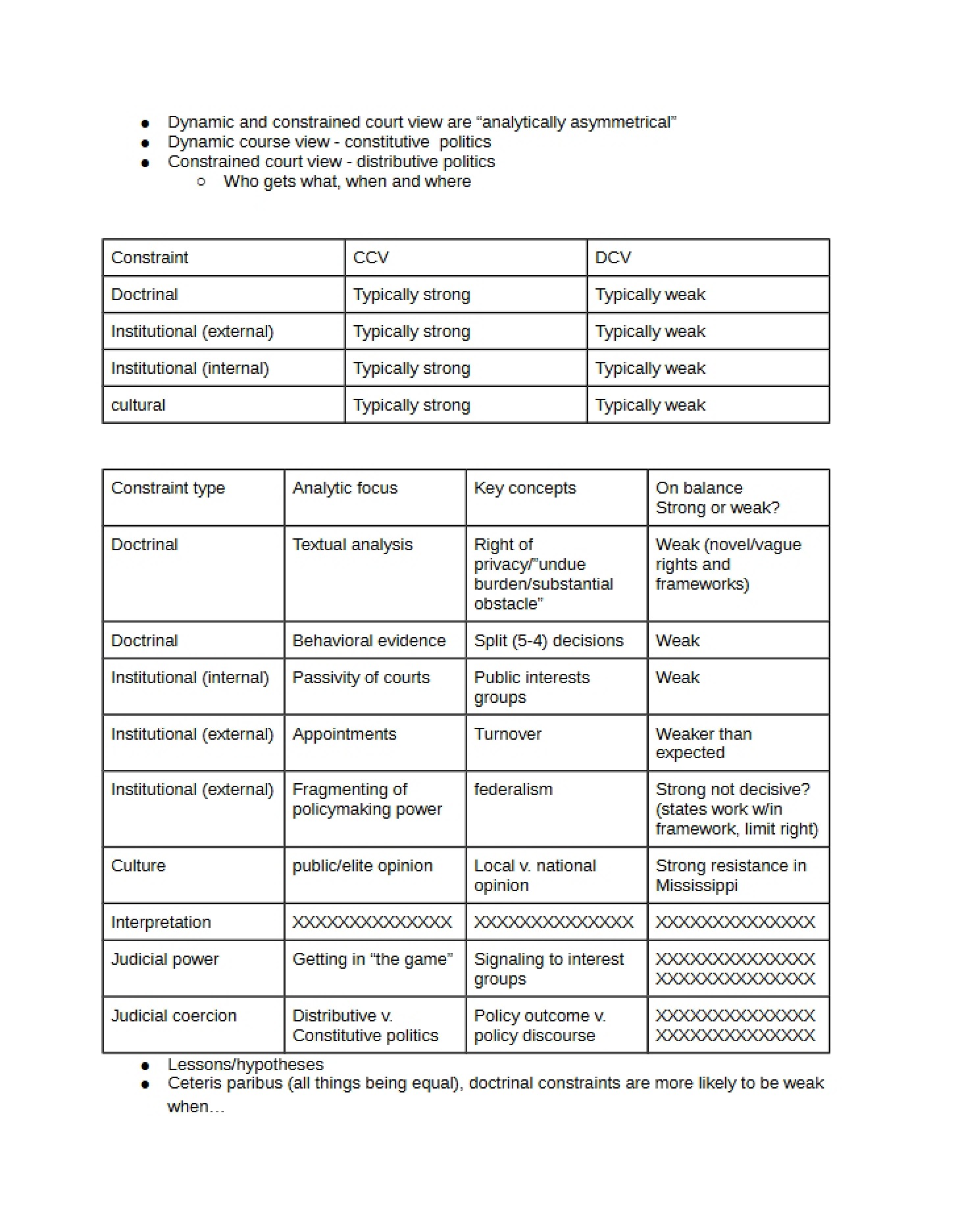
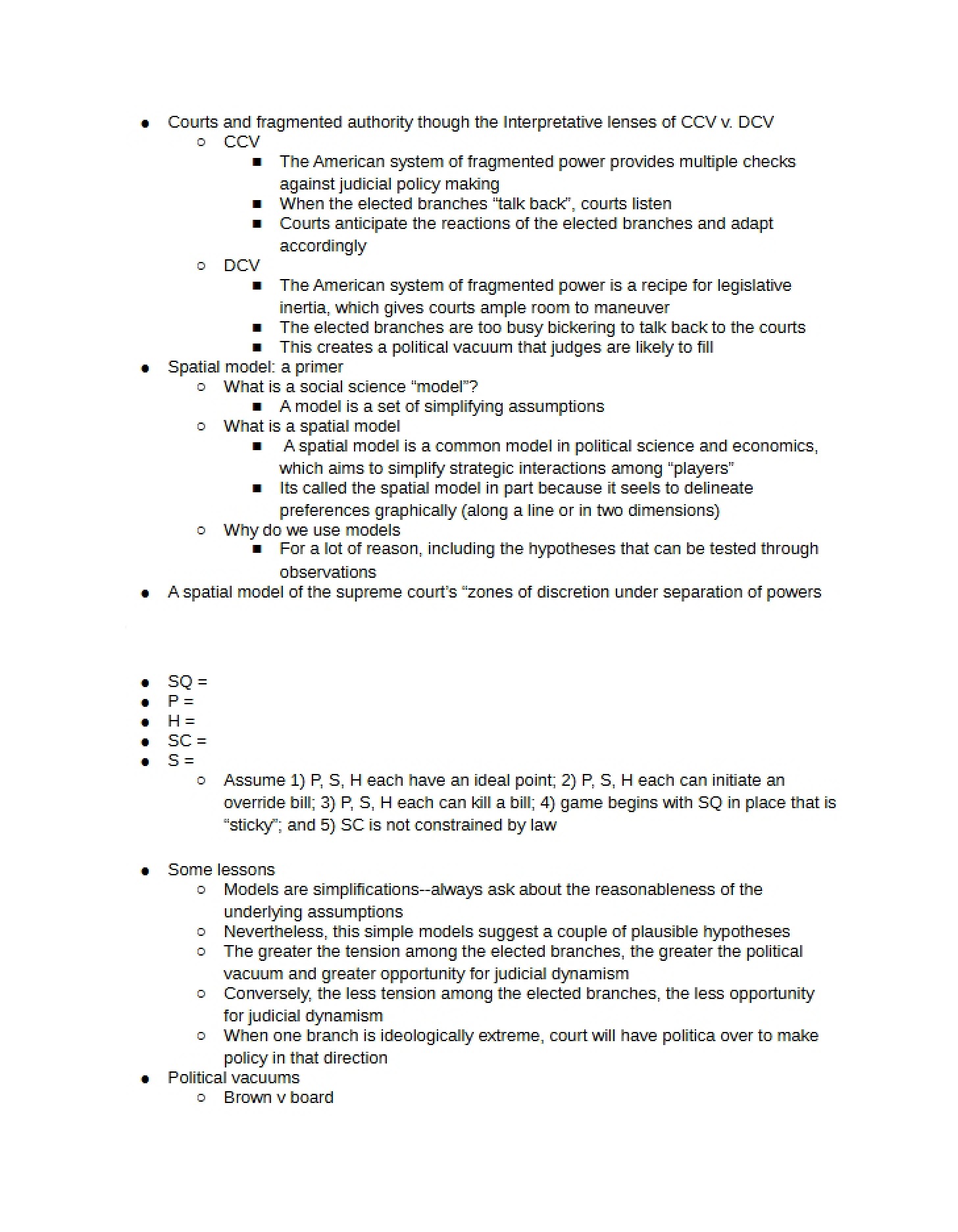
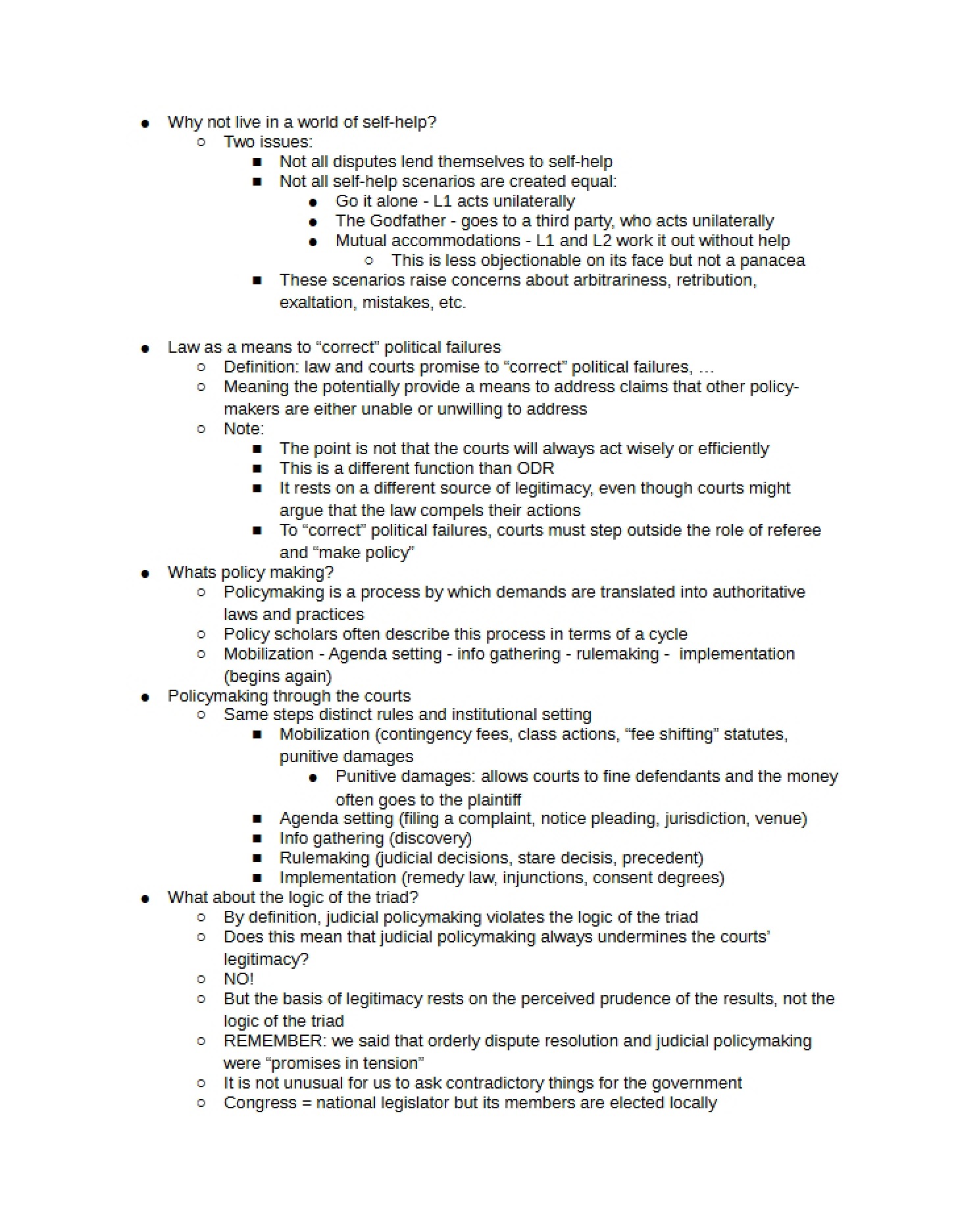
This resource is a focused discussion guide designed to support students in a Law, Politics, and Public Policy course (POSC 130) at the University of Southern California. It centers around the complexities of judicial behavior and the American legal system, specifically exploring differing interpretations of judicial roles and the factors influencing court decisions. The material delves into theoretical frameworks surrounding judicial decision-making and applies them to landmark cases and contemporary legal issues. It appears to be based on course lectures and supplemental readings.
Why This Document Matters
This guide is invaluable for students preparing for class participation, aiming to deepen their understanding of core concepts, or reviewing material for assessments. It’s particularly helpful for those grappling with the nuances of judicial activism versus judicial restraint, and the impact of various influences on legal outcomes. Students who want to strengthen their analytical skills regarding court rulings and the broader political context of law will find this resource beneficial. It’s best used *in conjunction* with assigned course materials and lectures.
Common Limitations or Challenges
This guide is not a substitute for attending lectures, completing assigned readings, or engaging in independent research. It does not offer definitive answers or step-by-step solutions to legal problems. It’s designed to stimulate critical thinking and facilitate deeper engagement with the course material, but it won’t provide a comprehensive overview of all legal principles. It also doesn’t include full case briefs or legal precedents – it focuses on *analyzing* those elements.
What This Document Provides
* Exploration of contrasting perspectives on judicial roles (e.g., constrained vs. dynamic approaches).
* Discussion points regarding the influence of factors like ideology and public opinion on judicial decisions.
* Frameworks for analyzing court decisions, including considerations of arguments, reasoning, evidence, and impact.
* References to relevant resources for further research (e.g., SCOTUS blog, Oyez.org).
* Considerations of alternative dispute resolution (ODR) and its relationship to traditional legal processes.
* Analysis of voting patterns and textual analysis techniques applied to court cases.