What This Document Is
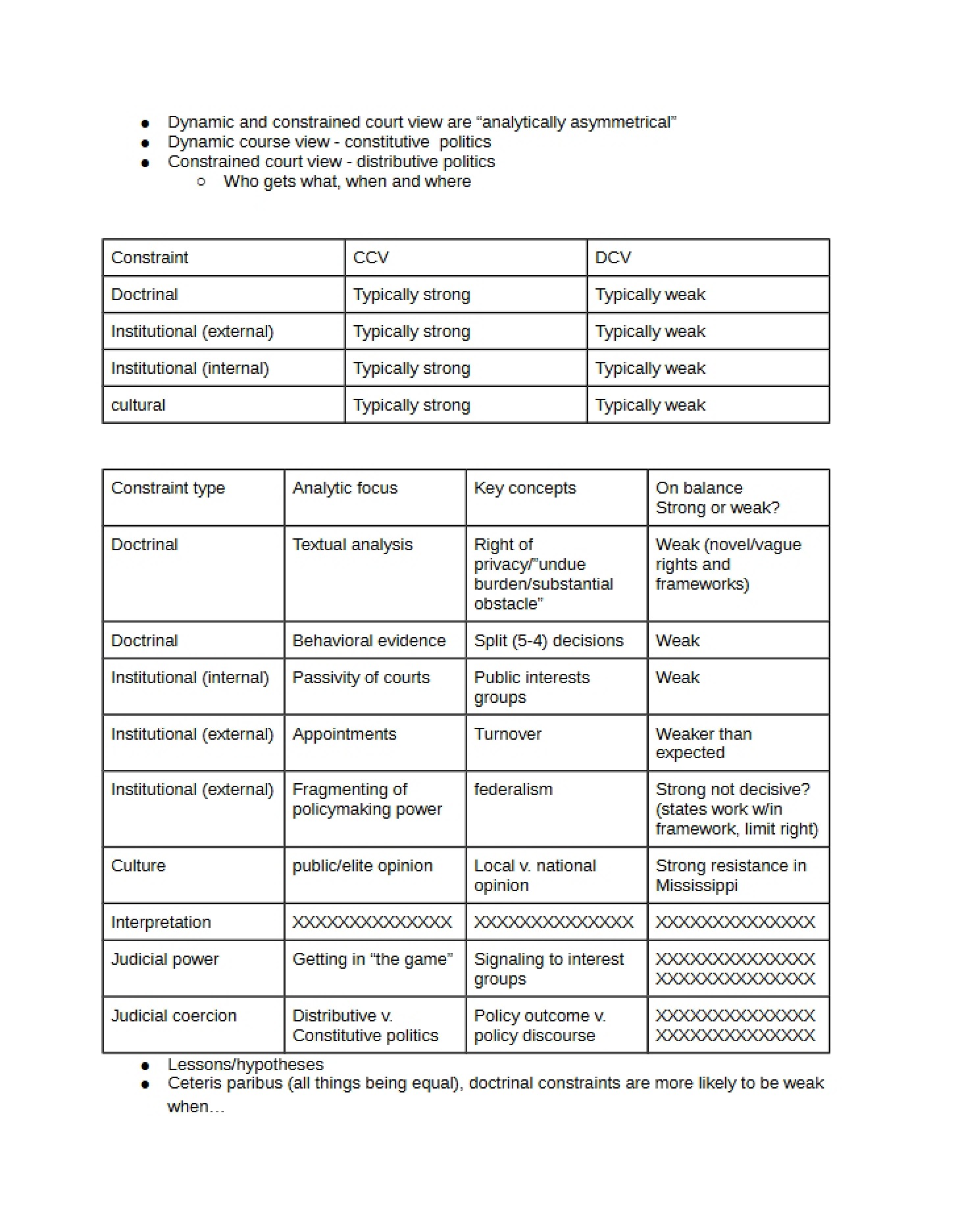
This material provides a focused exploration of the role of law and courts within the broader context of political processes and public policy. Specifically, it delves into the complex relationship between judicial decision-making and the pursuit of policy goals, examining how courts navigate situations where traditional political avenues may fall short. It’s rooted in the principles of legal theory and political science, offering a nuanced perspective on the functions and limitations of the judicial branch.
Why This Document Matters
Students enrolled in courses like Law, Politics, and Public Policy (POSC 130) at the University of Southern California will find this resource particularly valuable. It’s ideal for those seeking a deeper understanding of how legal institutions interact with, and sometimes actively shape, the political landscape. This would be helpful when preparing for class discussions, formulating research arguments, or tackling assignments that require analyzing the interplay between law and policy. It’s especially relevant when considering scenarios where political branches are perceived as unable or unwilling to address certain societal concerns.
Common Limitations or Challenges
This resource focuses on theoretical frameworks and conceptual analysis. It does *not* offer specific case studies, legal precedents, or detailed statutory interpretations. It also doesn’t provide a comprehensive overview of the entire legal system, but rather concentrates on a specific facet: the policymaking role of the courts. It won’t provide ready-made answers or solutions to complex legal or political problems, but instead aims to equip you with the analytical tools to approach them.
What This Document Provides
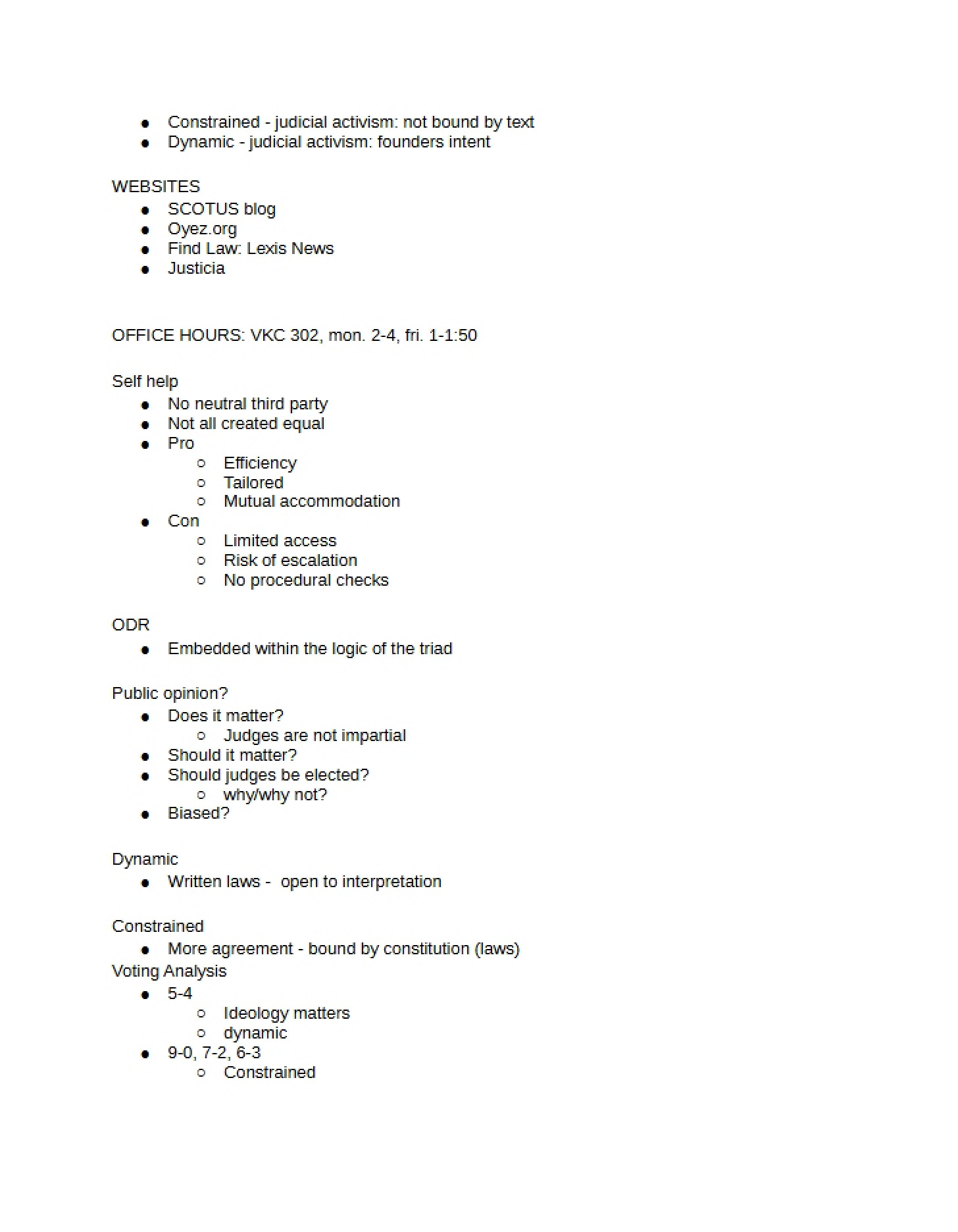
* An examination of alternative approaches to dispute resolution beyond traditional legal channels.
* A discussion of the concept of “correcting” political failures through legal intervention.
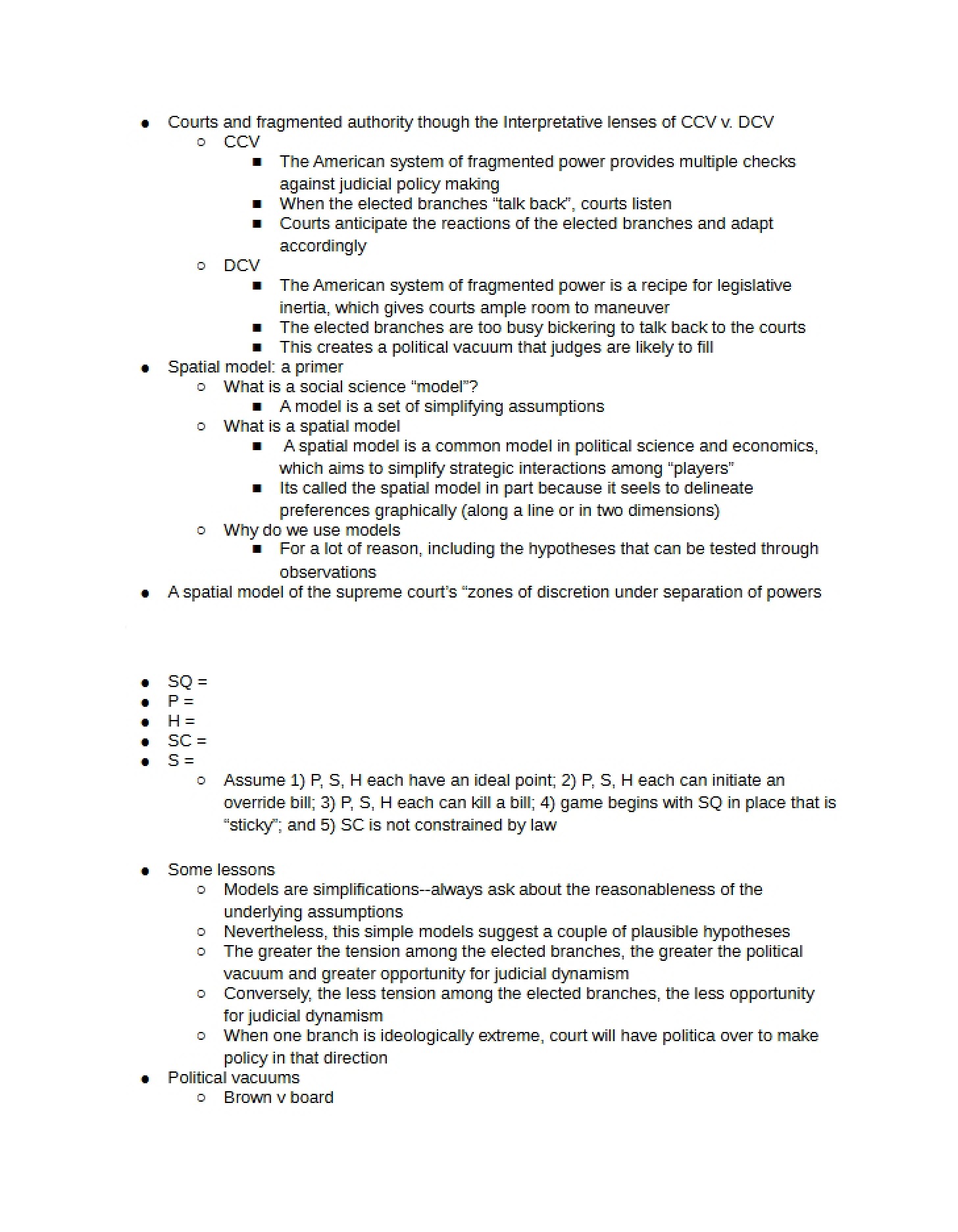
* An exploration of the policymaking process as it occurs within the judicial system.
* An analysis of the inherent tensions between orderly dispute resolution and judicial policymaking.
* A framework for understanding institutional choices in the context of policy advocacy and legal strategy.
* Consideration of factors influencing decisions to pursue legal remedies versus legislative action.