What This Document Is
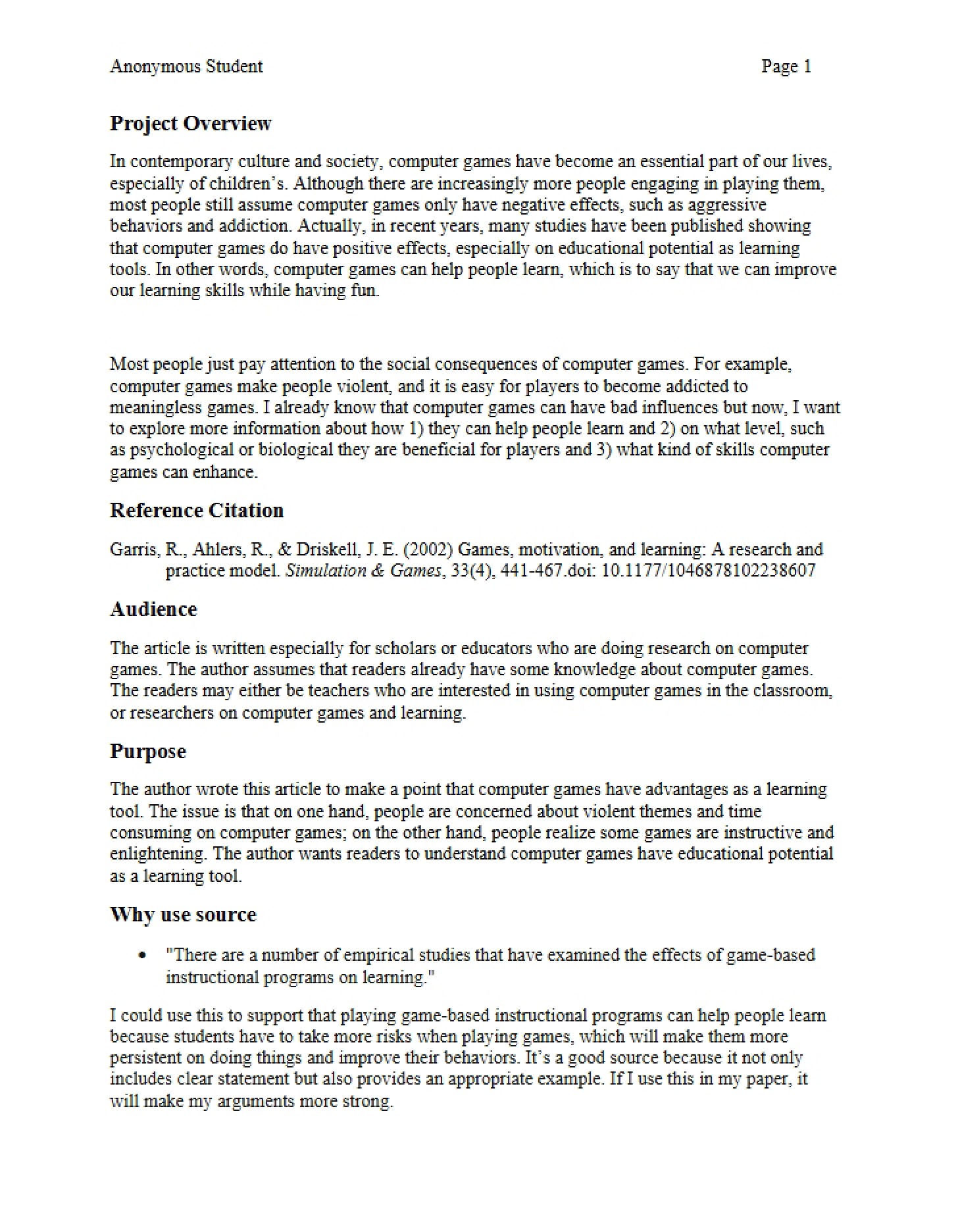
This resource is designed to deepen your understanding of a foundational concept in rhetoric and composition: the rhetorical triangle. It’s a focused exploration of the interconnected elements that contribute to effective communication – specifically, how arguments are constructed, who they are intended for, and the methods used to persuade. The material appears to be structured around discussion and analysis, likely prompting critical thinking about real-world examples. It’s presented in a visually-oriented format, suggesting the use of diagrams or other illustrative aids to explain complex relationships.
Why This Document Matters
Students enrolled in University Writing (WRIT 1301) at the University of Minnesota Twin Cities will find this particularly valuable. Understanding the rhetorical triangle is crucial for both analyzing the arguments of others *and* building your own persuasive writing. This resource will be most helpful when you are preparing to write argumentative essays, analyze speeches or articles, or engage in critical discussions. It’s a core skill for success not only in this course, but in any academic discipline requiring clear and convincing communication. It’s also beneficial for anyone seeking to become a more discerning consumer of information.
Common Limitations or Challenges
This resource focuses specifically on the core components of the rhetorical triangle. It does *not* provide complete writing assignments, pre-written arguments, or detailed essay outlines. It won’t offer a step-by-step guide to writing a specific type of essay, nor will it provide evaluations of sample arguments. It’s a conceptual tool, and requires active engagement and application to specific writing tasks. It assumes a basic understanding of rhetorical principles.
What This Document Provides
* A focused examination of the relationships between argument, audience, and persuasive appeals.
* A framework for analyzing the effectiveness of communication.
* Points for consideration regarding responding to and evaluating persuasive techniques.
* Potential prompts for discussion and application of the concepts.
* A visual representation of the rhetorical triangle and its components.