What This Document Is
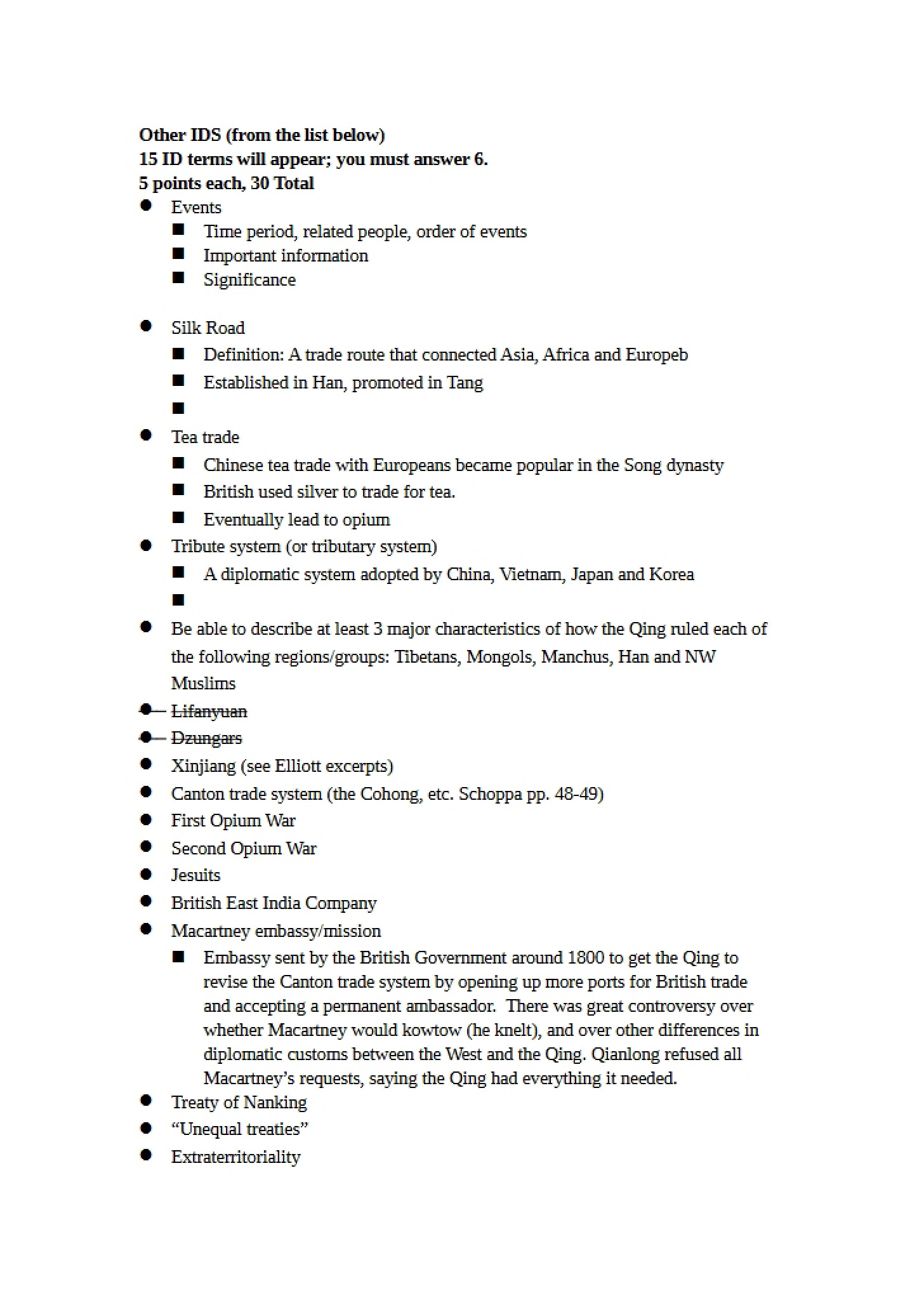
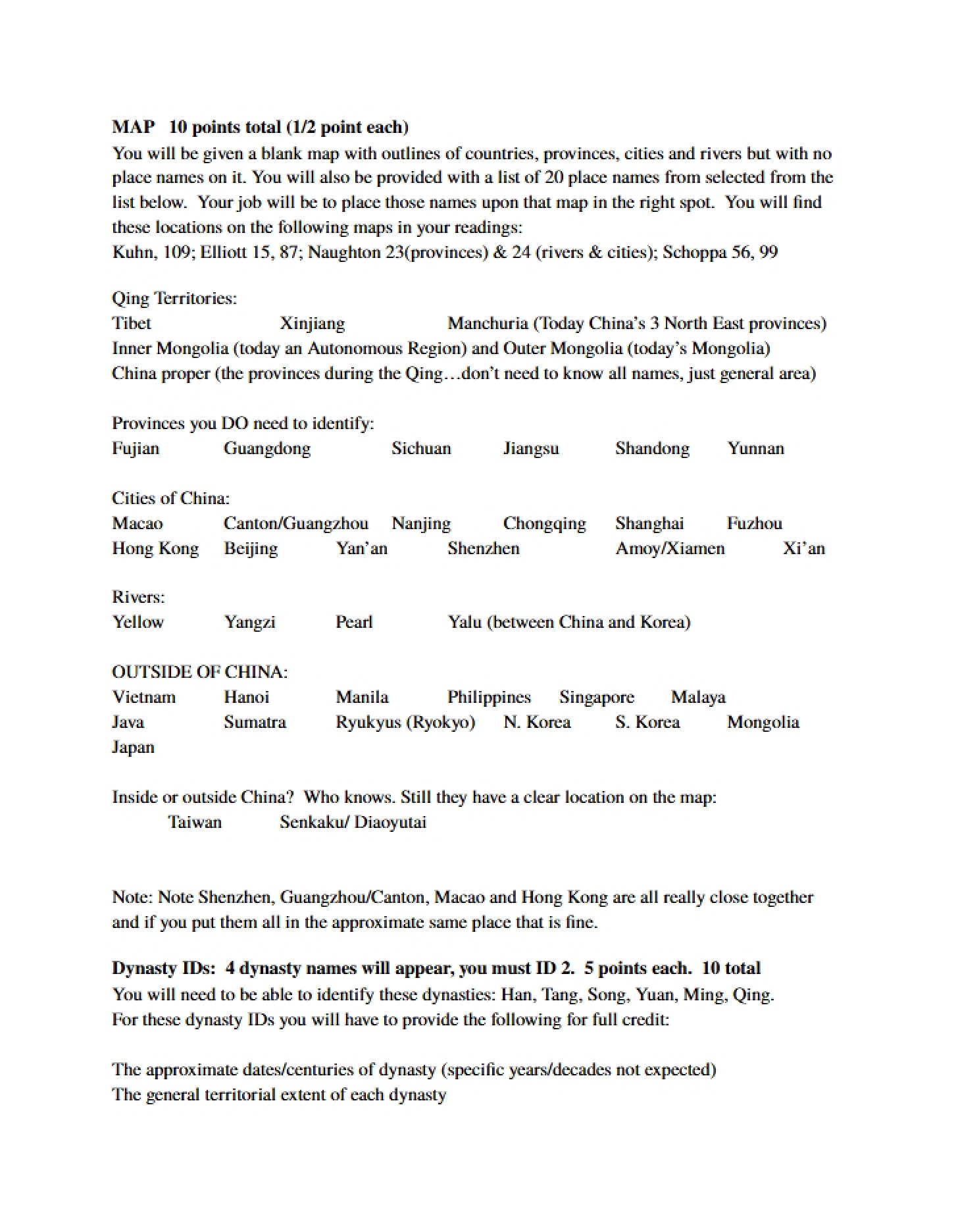
This resource is a focused preparation tool for an upcoming midterm examination within the EASC 160gm: China and the World course at the University of Southern California. Specifically, it centers on the identification and understanding of key Chinese dynasties – a foundational element for success in the course. It outlines the expected scope of knowledge regarding these historical periods, preparing students to demonstrate their comprehension through focused identification tasks.
Why This Document Matters
Students enrolled in EASC 160gm who are preparing for Midterm One will find this particularly valuable. It clarifies exactly which dynasties will be assessed and details the specific criteria used for evaluating student responses. Utilizing this resource *before* deep diving into study will help focus efforts and ensure efficient preparation. It’s best used in conjunction with course lectures, readings, and broader study materials to build a comprehensive understanding of Chinese history.
Common Limitations or Challenges
This resource is designed to *prepare* you for the dynasty identification portion of the midterm, it does not offer complete historical narratives for each dynasty. It won’t provide in-depth analyses of political, social, or cultural developments. It also doesn’t function as a substitute for attending lectures or completing assigned readings. It focuses solely on the elements required for successful identification on the exam – it won’t teach you the history itself, but how to *demonstrate* your knowledge of it.
What This Document Provides
* A clearly defined list of dynasties that may appear on the midterm.
* A breakdown of the specific components required for a complete and accurate dynasty identification.
* Guidance on the types of information expected regarding each dynasty’s historical context.
* Key areas of focus, including temporal placement, geographical reach, and the ethnic origins of ruling powers.
* An indication of the broad themes and characteristics considered significant for each dynasty.