What This Document Is
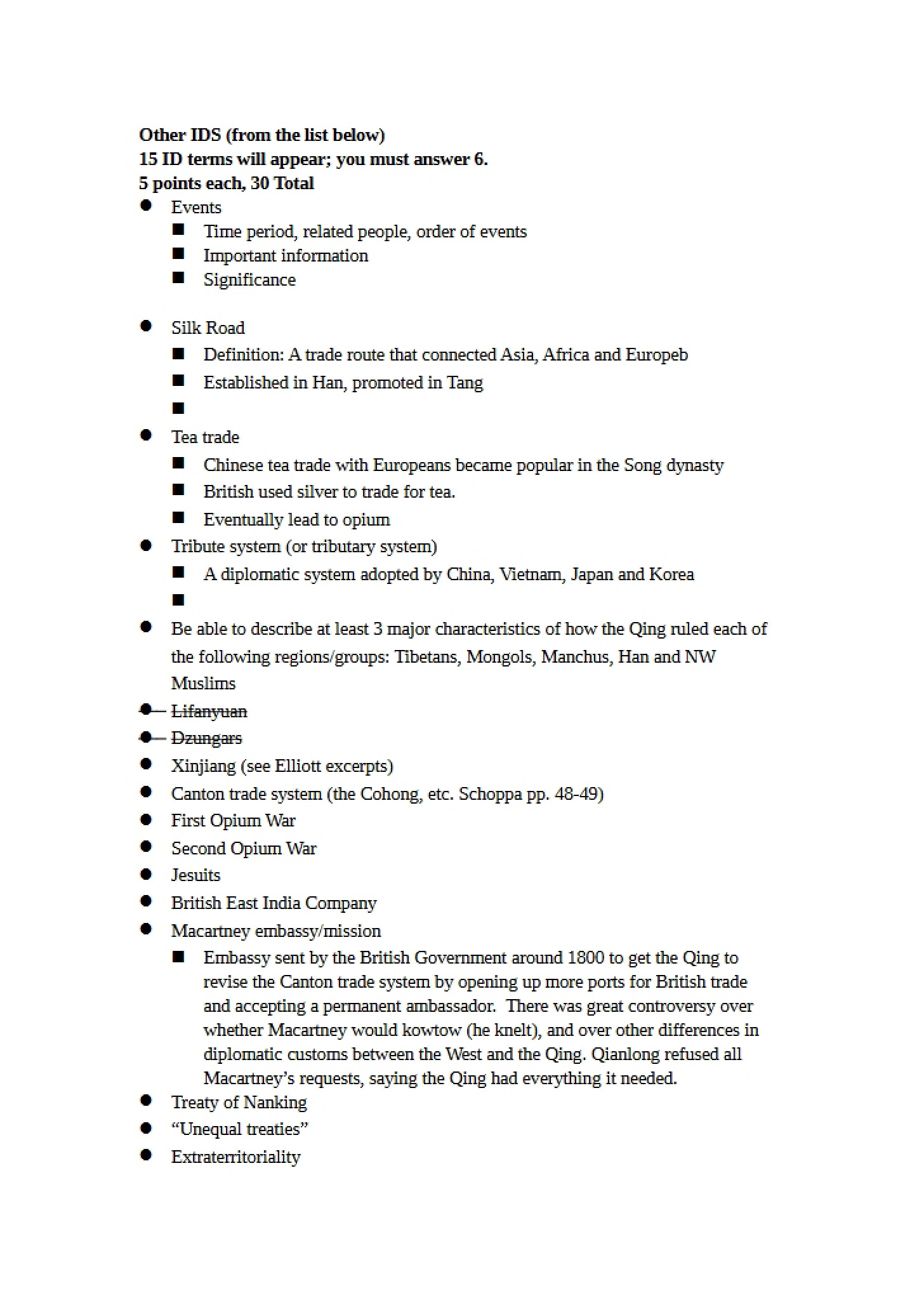
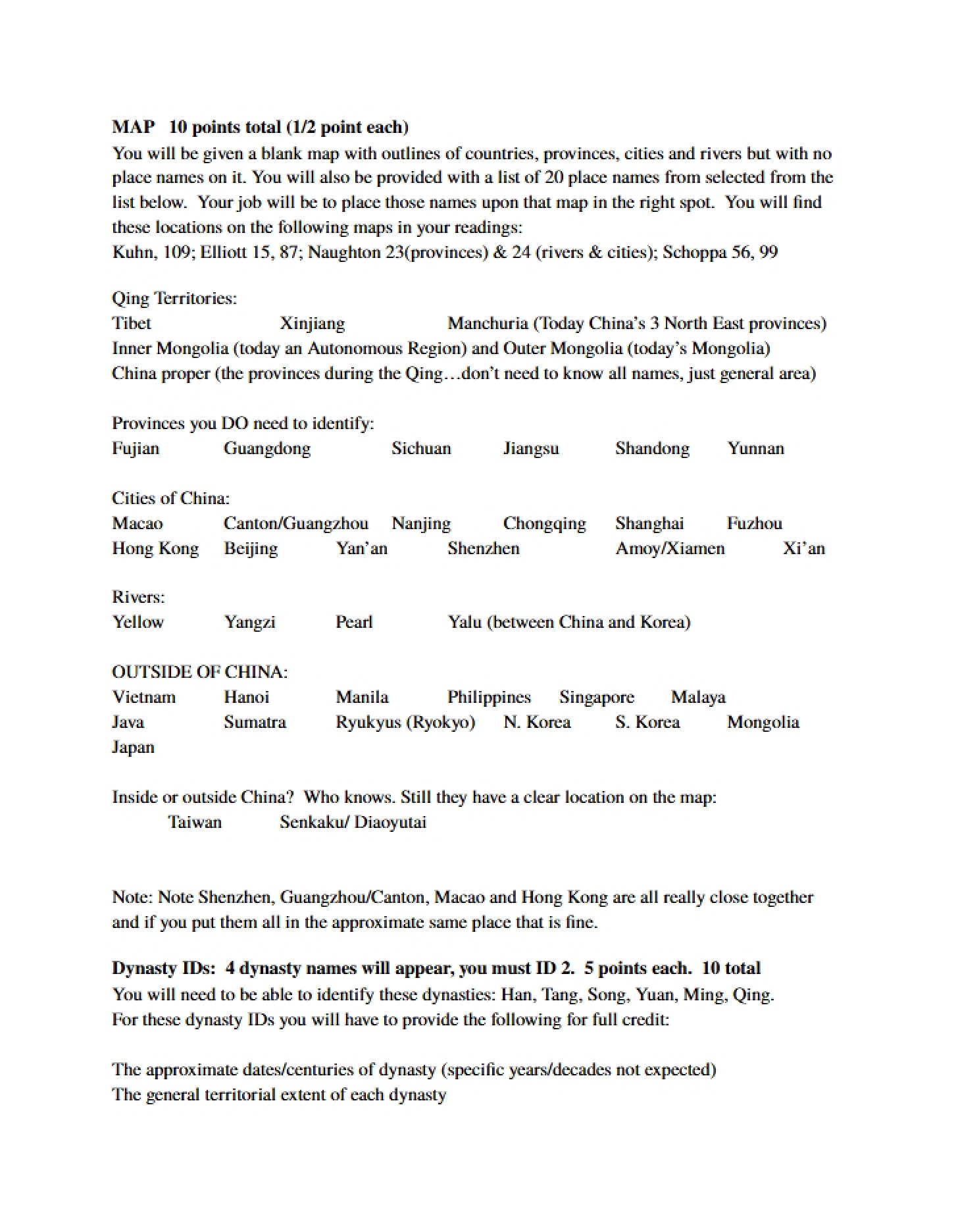
This document is an essay prompt and associated brainstorming notes designed to assess your understanding of complex historical interpretations surrounding China and its relationship with the world. Specifically, it focuses on identifying and analyzing instances where perceptions of China – both by outsiders and internally – have been shaped by pre-existing biases or agendas. It’s geared towards a midterm examination within a course exploring the history of China and its global interactions.
Why This Document Matters
Students enrolled in courses like EASC 160gm at USC will find this particularly valuable when preparing for assessments that require critical thinking about historical narratives. It’s most useful when you’re ready to synthesize course readings and lectures into a cohesive argument. If you’re struggling to identify patterns of misinterpretation or understand how historical context influences perspectives on China, reviewing this material (upon access) can be incredibly helpful. It’s designed to push you beyond simple recall and towards nuanced historical analysis.
Common Limitations or Challenges
This resource does *not* provide a completed essay, nor does it offer definitive answers to the prompt. It’s a starting point for your own research and analysis. It also doesn’t cover every possible example of misinterpretation; rather, it suggests potential avenues for exploration. Accessing the full content won’t automatically guarantee a high score – successful completion requires independent thought and application of course material.
What This Document Provides
* A clearly defined essay question centered on the theme of perception and misinterpretation in the study of China.
* Suggestions for potential areas of investigation related to common stereotypes about China.
* Points of consideration regarding historical events and periods that may illustrate biased understandings.
* Conceptual frameworks for analyzing the interplay between historical context, cultural assumptions, and the construction of narratives about China.
* Ideas for exploring both external perceptions *of* China and internal reinterpretations *within* China.