What This Document Is
This study guide delves into the fascinating and complex question of Earth’s uniqueness in the universe. Specifically, it explores the “Rare Earth” hypothesis – the idea that a confluence of highly improbable events and conditions were necessary for the emergence and sustained evolution of complex life on our planet. It’s designed for students in an introductory astrobiology or planetary science course, offering a detailed examination of the factors that may make Earth exceptionally habitable.
Why This Document Matters
This resource is ideal for students grappling with the challenges of assessing the likelihood of life beyond Earth. It’s particularly useful when considering the various filters and hurdles a planet must overcome to support complex organisms. Use this guide to deepen your understanding of planetary habitability, geological processes, and the long-term evolution of Earth’s environment, preparing you for coursework, discussions, and potential research projects. It’s a valuable asset for anyone seeking a more nuanced perspective on the search for extraterrestrial life.
Topics Covered
* The concept of planetary habitability and the “Goldilocks Effect”
* The role of plate tectonics and its influence on climate stability
* Detailed analysis of past climate events, including “Snowball Earth” episodes
* The significance of Earth’s early geological history and the formation of continents
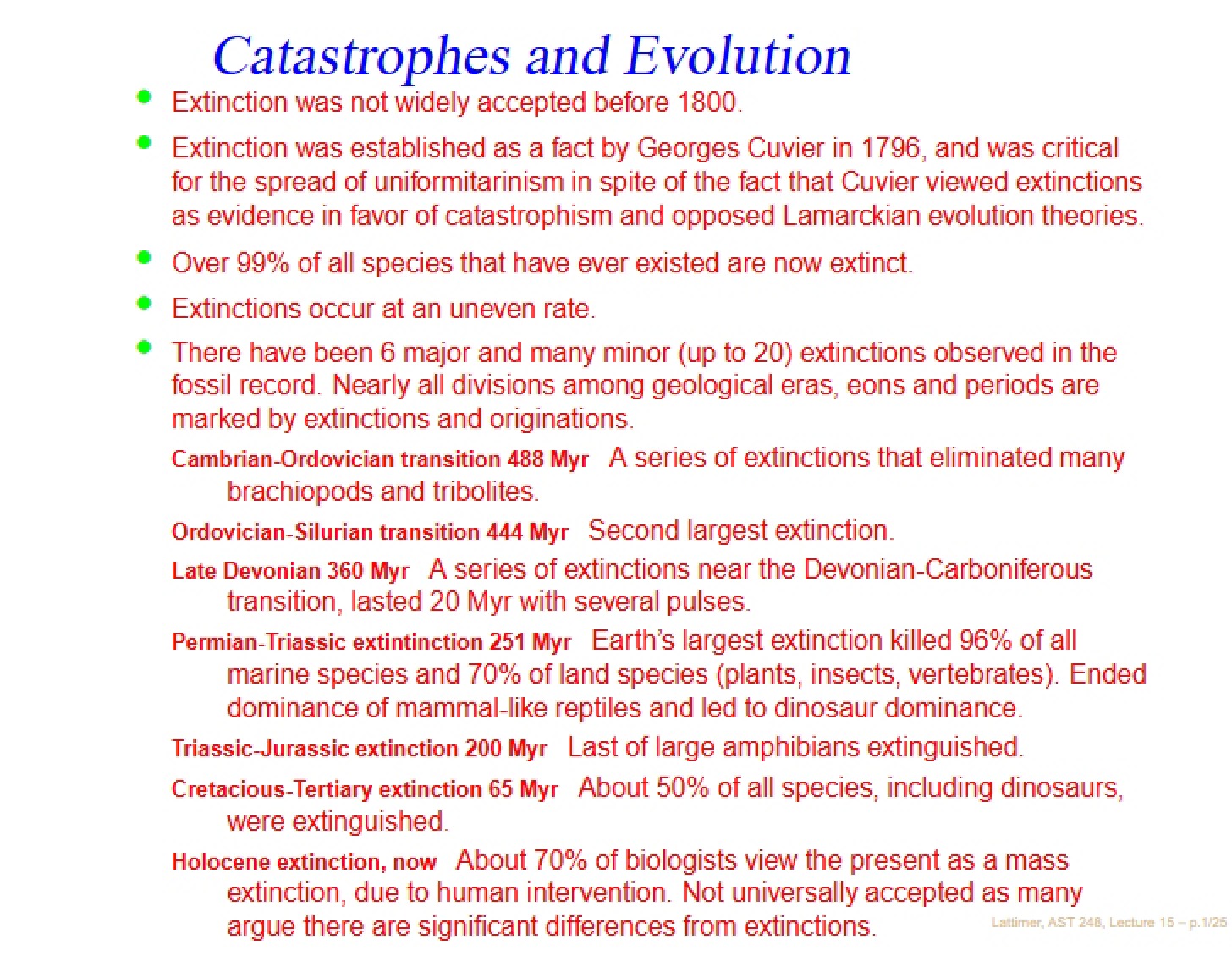
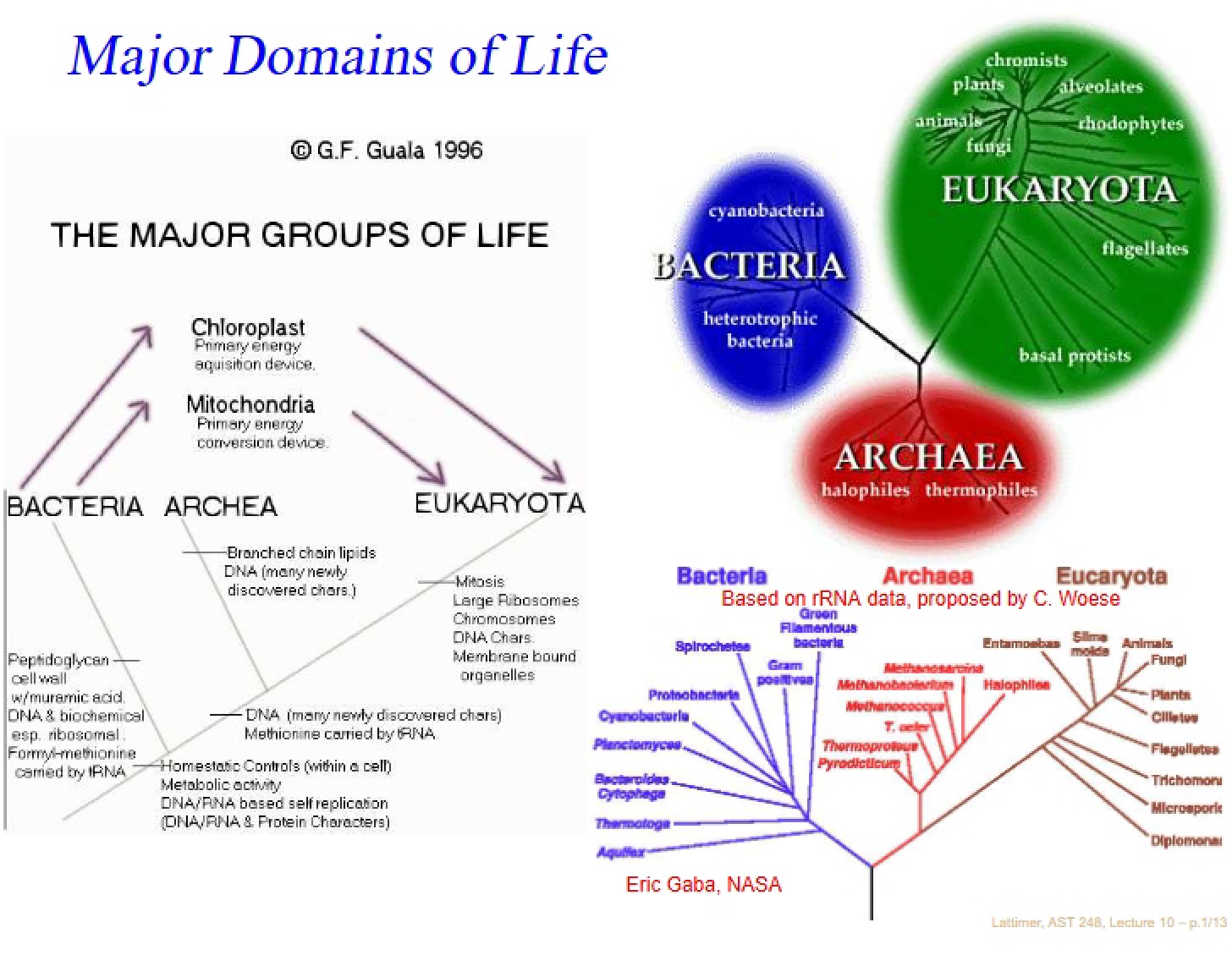
* The evolution of life, from early prokaryotes to the emergence of complex multicellular organisms
* The impact of atmospheric composition and oxygen levels on evolutionary pathways
* The unique characteristics of Earth’s moon and its potential influence on planetary stability
* Considerations for future climate changes and potential “Snowball Earth” scenarios
What This Document Provides
* A comprehensive overview of the Rare Earth hypothesis and its supporting arguments.
* Visual aids illustrating geological formations, climate models, and evolutionary timelines.
* An exploration of the interplay between geological, atmospheric, and biological processes.
* A framework for evaluating the probability of finding habitable planets elsewhere in the universe.
* References to further research and related scientific literature.