What This Document Is
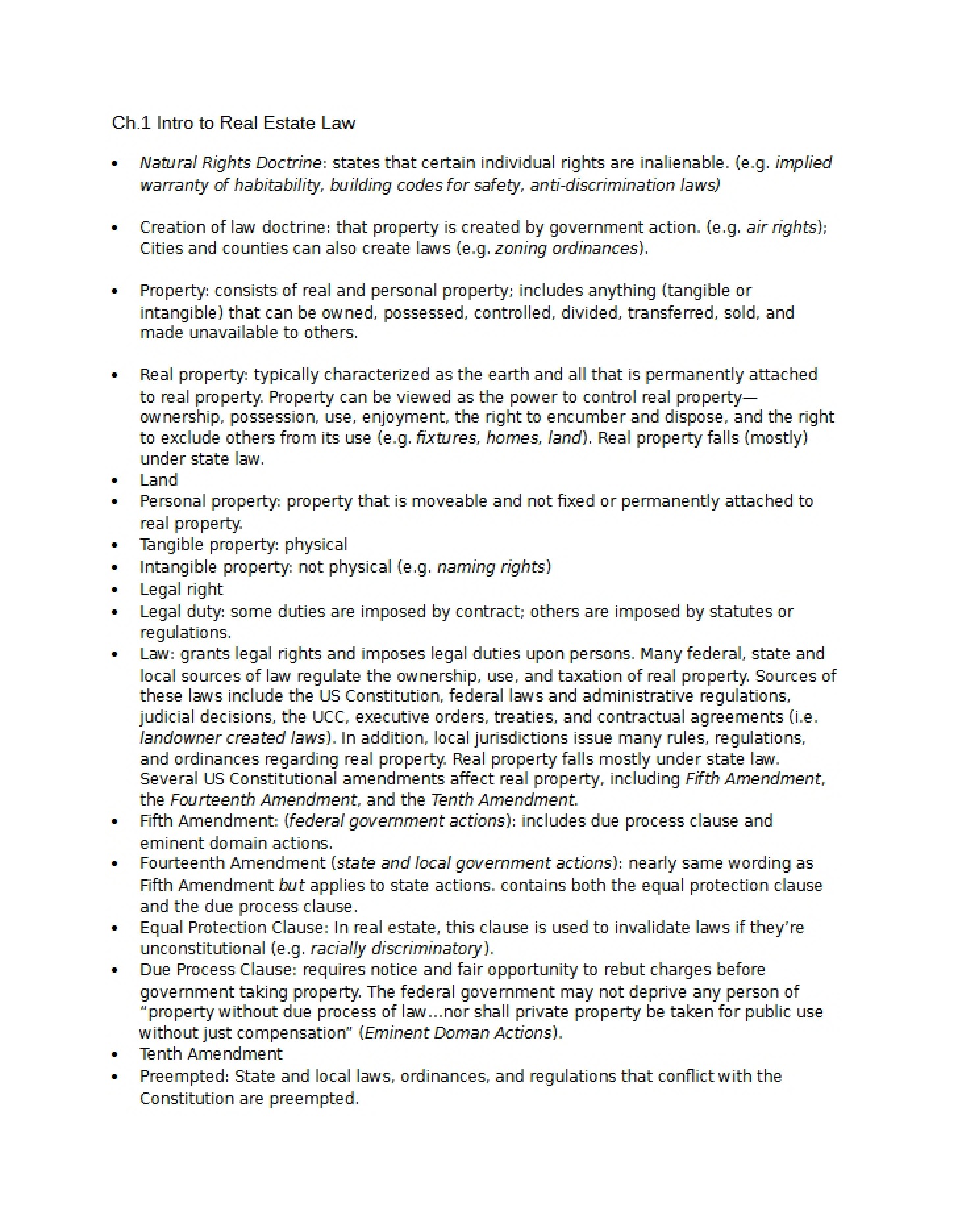
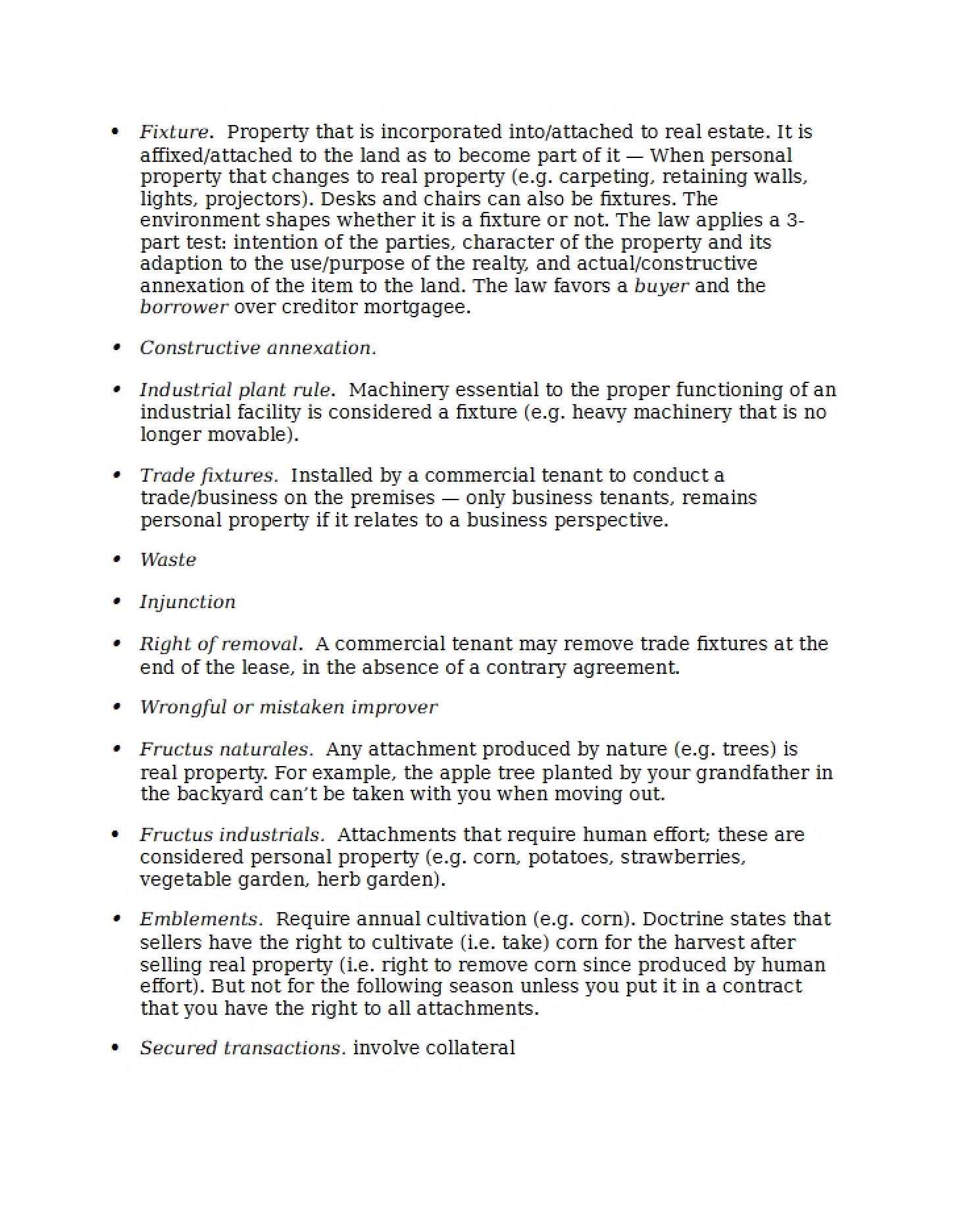
This study guide provides a focused exploration of easements and other nonpossessory rights within the context of Real Estate Law. It delves into the legal principles governing the use of another’s property without outright ownership, a crucial topic for understanding property law and its practical applications. This material is designed for students in FBE 427 at the University of Southern California, offering a concentrated review of a key chapter in the course.
Why This Document Matters
This guide is essential for law students, future real estate professionals, and anyone seeking a deeper understanding of property rights. It’s particularly helpful when preparing for exams, reviewing complex legal concepts, or seeking to clarify the nuances of land use regulations. Understanding easements is vital when analyzing property titles, negotiating real estate transactions, and resolving property disputes. It will be most useful *after* initial lectures and readings on the topic, serving as a focused tool for solidifying your comprehension.
Common Limitations or Challenges
This guide is a focused resource and does not provide a comprehensive overview of all aspects of Real Estate Law. It concentrates specifically on easements and related rights, and assumes a foundational understanding of property law principles. It does not include case studies, hypothetical scenarios, or practice questions – those are typically found in separate course materials. Furthermore, it does not offer legal advice and should not be substituted for consultation with a qualified attorney.
What This Document Provides
* A detailed examination of the different types of easements.
* An overview of how easements are created, including various legal mechanisms.
* Clarification of the rights and responsibilities associated with both benefited and burdened properties.
* Distinctions between easements appurtenant and easements in gross.
* An exploration of the concept of “running with the land” in relation to easements.
* Key considerations regarding the transferability of different easement types.