What This Document Is
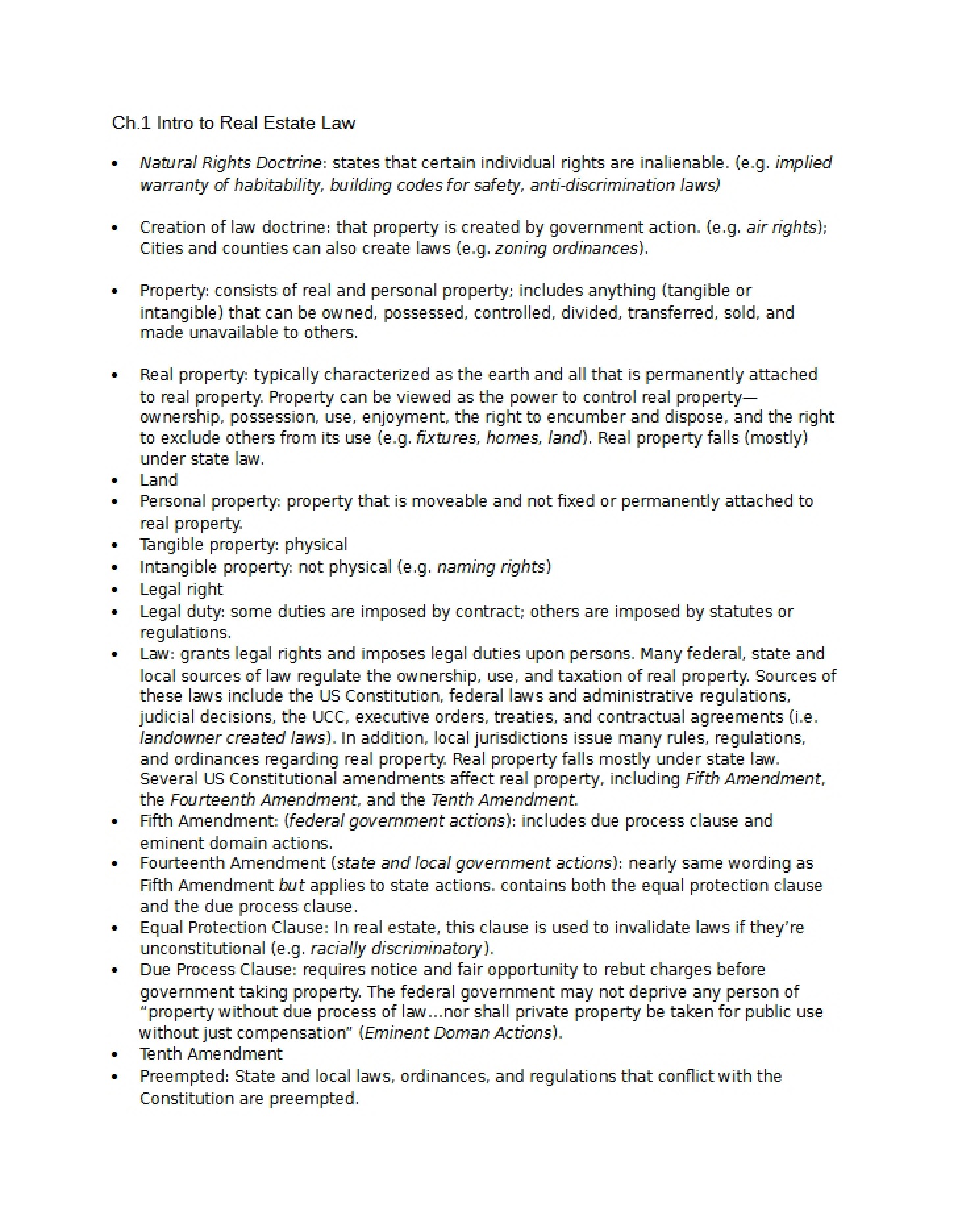
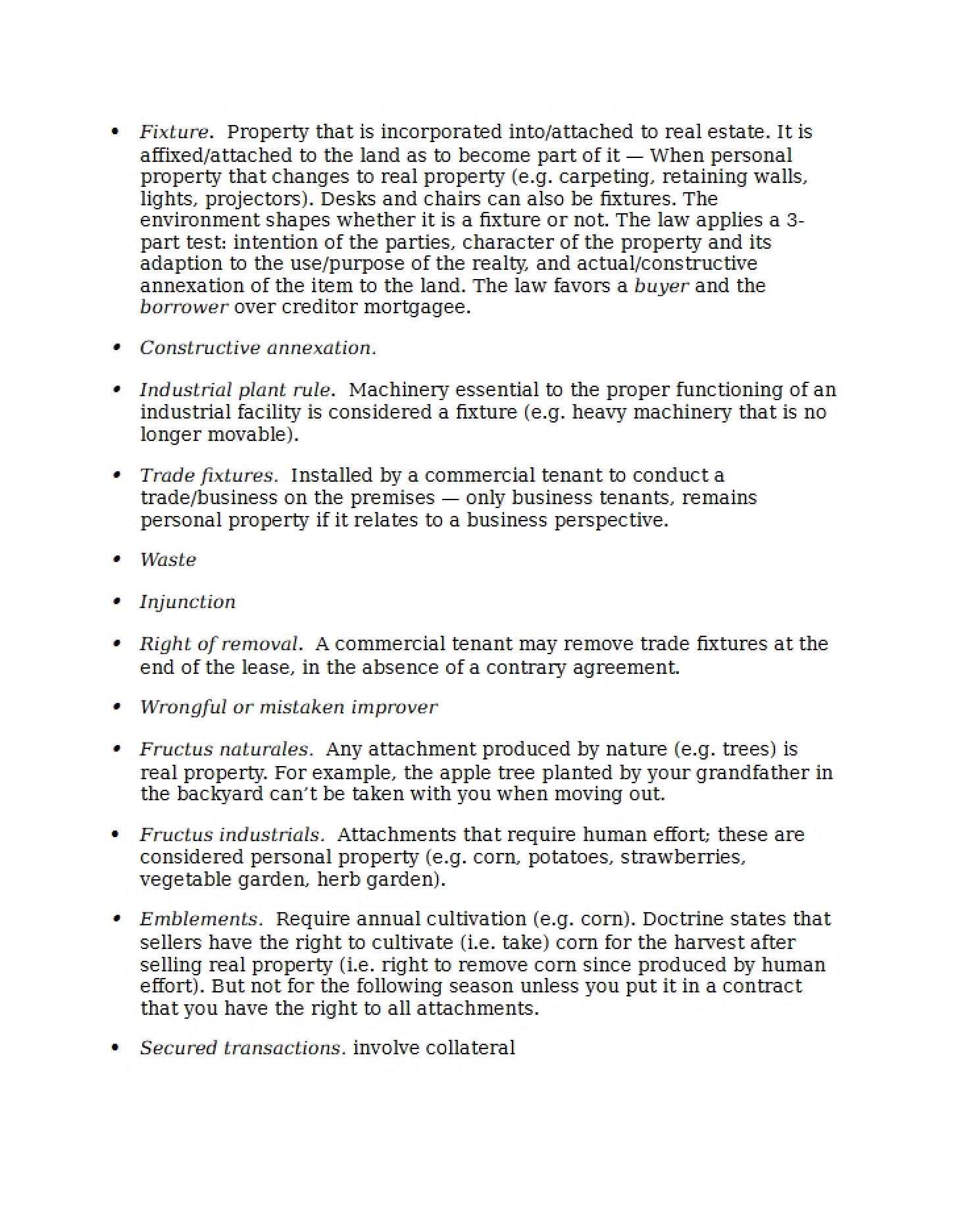
This document provides a comprehensive overview of the various rights and interests associated with real property ownership, going beyond the simple concept of land itself. It delves into the legal complexities surrounding ownership not just of the surface of the land, but also what lies above and below it – exploring concepts related to airspace, mineral rights, and subsurface usage. It’s designed as a foundational chapter within a broader Real Estate Law course, laying the groundwork for understanding more complex property law issues.
Why This Document Matters
This material is crucial for any student pursuing a career in real estate, law, land development, or urban planning. Understanding these often-overlooked property rights is essential for accurately assessing property value, negotiating transactions, and avoiding potential legal disputes. Whether you’re analyzing a development project, drafting a property deed, or advising a client on land use, a firm grasp of these concepts is vital. It’s particularly relevant when considering property development, resource extraction, or situations involving neighboring landowners.
Common Limitations or Challenges
This resource focuses on the *principles* governing these rights and interests. It does not provide specific legal advice or detailed case studies. It also doesn’t cover the nuances of how these rights are applied in every jurisdiction – laws can vary significantly by state. Furthermore, it provides a foundational understanding and doesn’t delve into advanced topics like easements in extreme detail or the specifics of regulatory takings.
What This Document Provides
* An exploration of rights extending *above* the land surface.
* Discussion of ownership and usage of resources *below* the land surface.
* Examination of legal theories surrounding resource extraction.
* Analysis of landowner rights related to support of their property.
* Overview of the evolving legal landscape concerning renewable energy rights.
* Clarification of the distinctions between different ownership theories.