What This Document Is
This document presents core principles within the field of phylogenetics, bridging the disciplines of ecology and evolution. It’s a focused exploration of how evolutionary relationships are reconstructed and analyzed, particularly at the molecular level. Designed for advanced undergraduate and graduate study, it delves into the mechanisms driving genetic change and their implications for understanding the history of life. The material originates from an Integrative Biology course (INTEGBI 200B) at the University of California, Berkeley.
Why This Document Matters
This resource is ideal for students seeking a deeper understanding of molecular evolution, phylogenetic reconstruction, and genome comparison. It’s particularly valuable for those studying evolutionary biology, genetics, ecology, or related fields. Use this material to strengthen your foundational knowledge before tackling complex research projects, preparing for advanced coursework, or seeking to interpret current research in evolutionary studies. It’s a strong complement to lectures and textbook readings, offering a concentrated look at key concepts.
Topics Covered
* Molecular mechanisms of evolution (mutation, recombination, gene conversion)
* Genome structure and organization (organellar vs. nuclear genomes, repetitive elements)
* Detecting natural selection and neutrality
* Comparative genomics (synteny, rearrangements, indels)
* Gene family evolution (paralogy, orthology, gene duplication)
* Genome size and polyploidy
* RNA structure and its evolutionary significance
* Protein evolution and codon usage
* Gene annotation and the use of ontologies in biological research
What This Document Provides
* An overview of the theoretical framework for phylogenetic analysis.
* Exploration of the relationship between genome structure and evolutionary processes.
* Discussion of the challenges and approaches to comparing genomes across different species.
* Insights into the fate of duplicated genes and their impact on genome evolution.
* Consideration of the role of ontologies in organizing and interpreting genomic data.
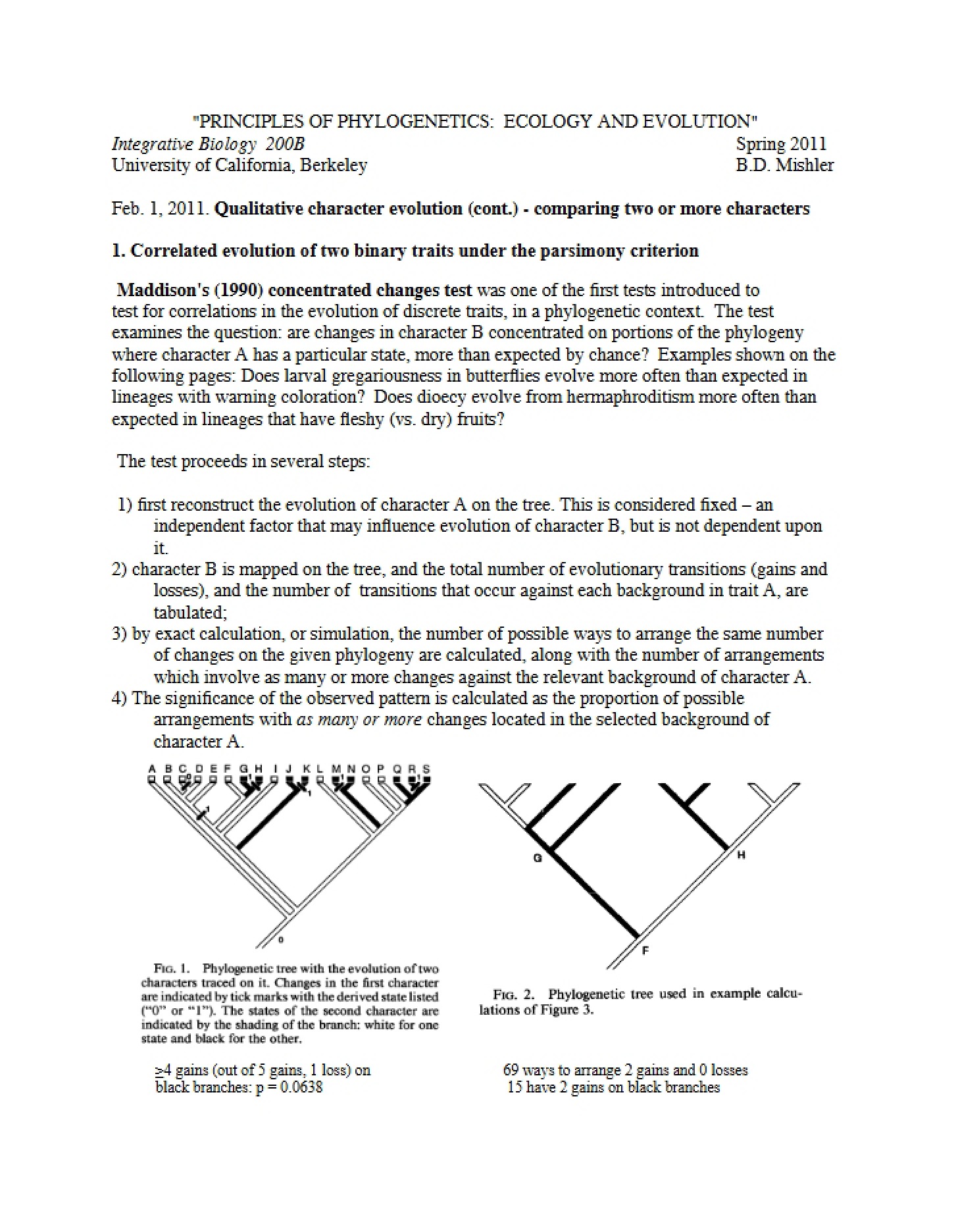
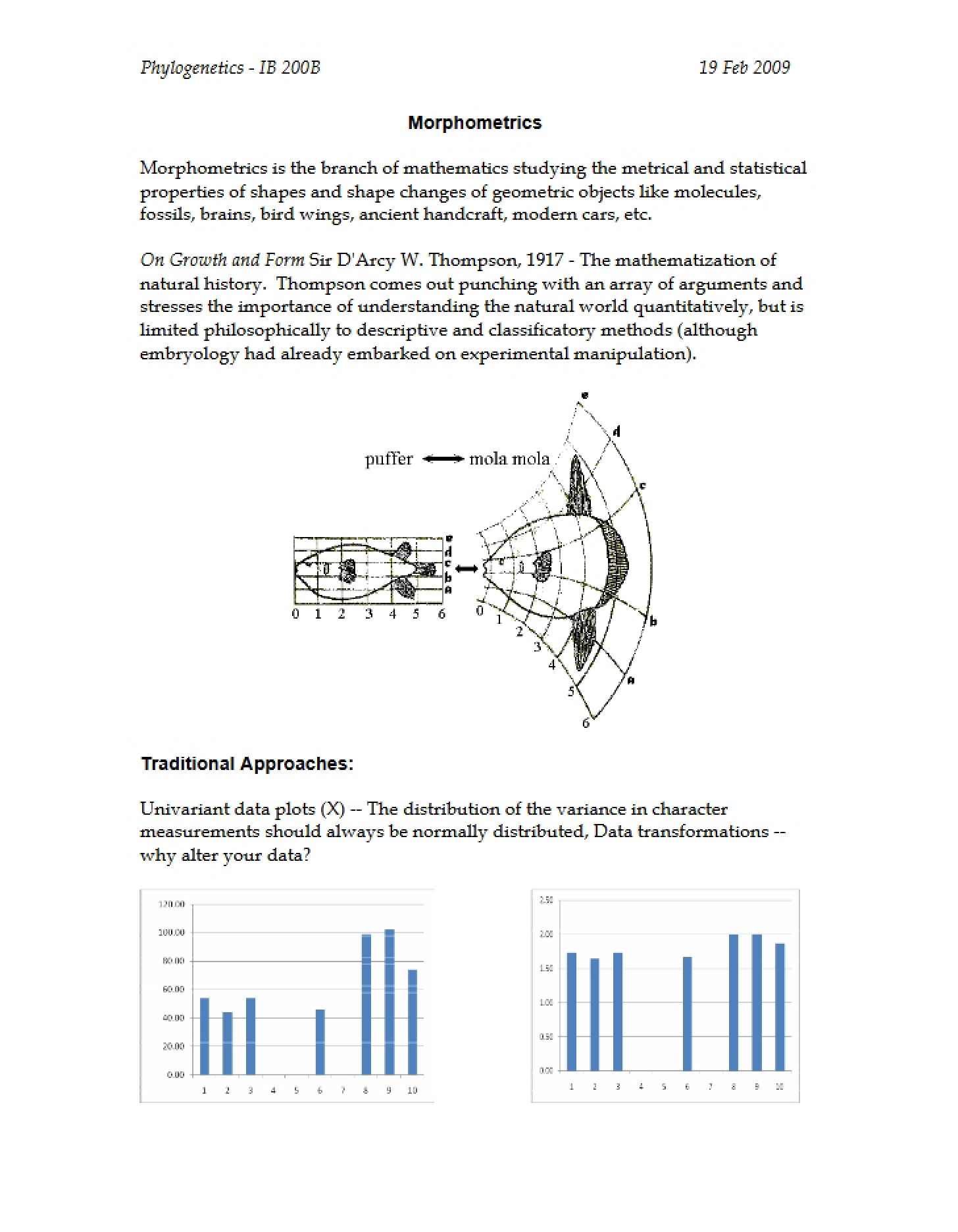
* Visual aids, such as cladograms and genome maps, to illustrate complex relationships.