What This Document Is
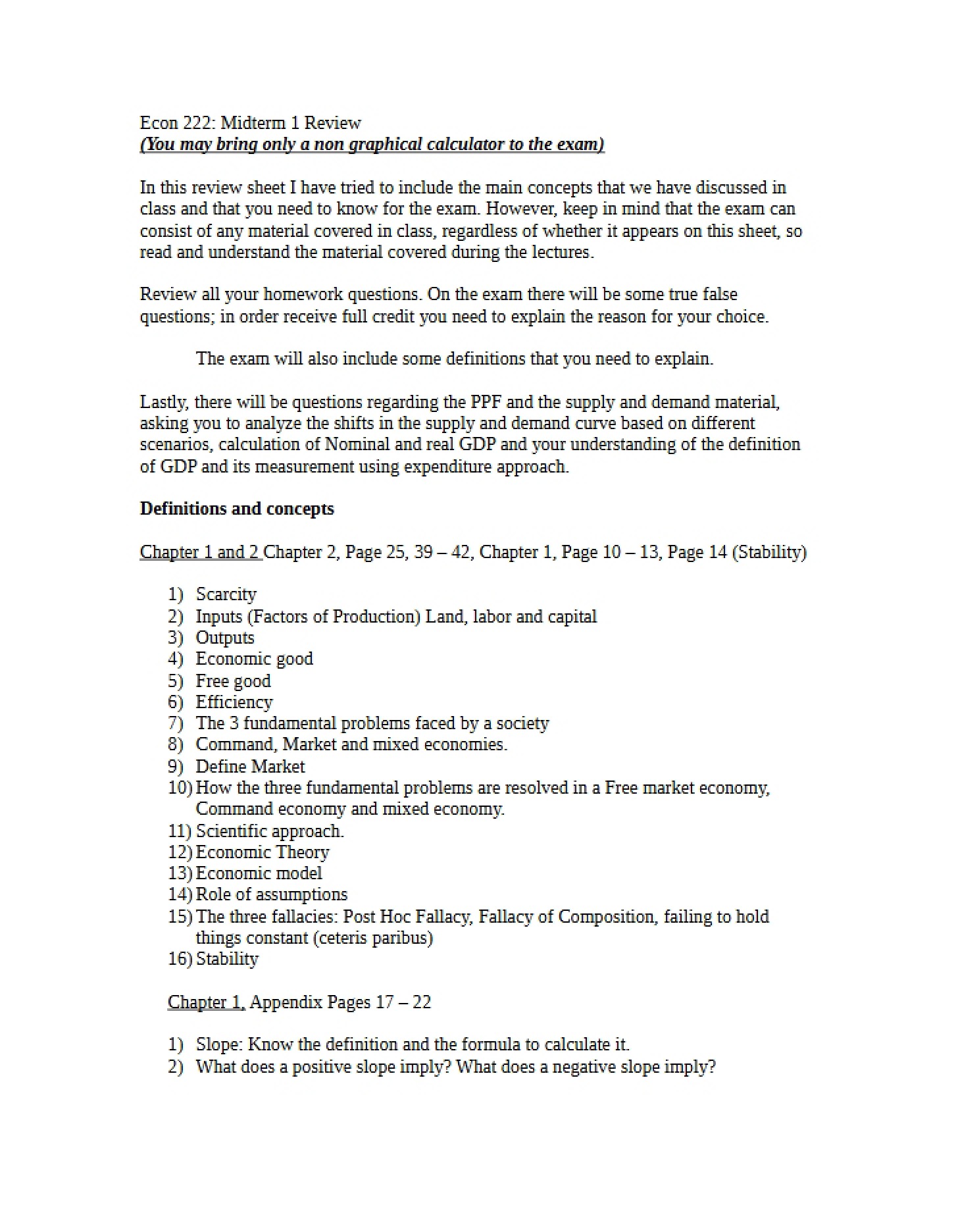
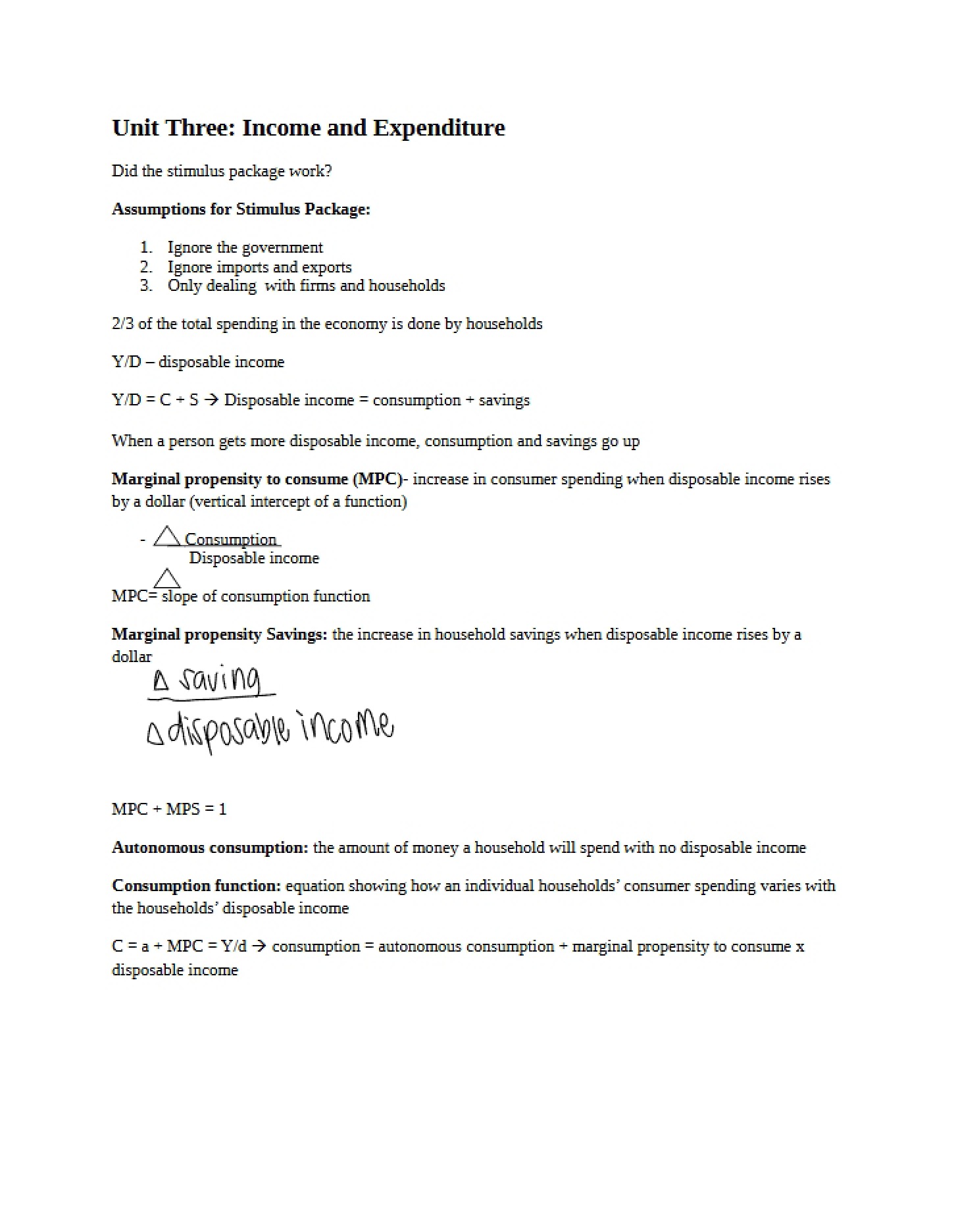
This resource is a focused compilation of key terms and foundational concepts within Principles of Macroeconomics (ECON 222) at the University of South Carolina. It’s designed to serve as a concentrated review of essential ideas, providing a structured overview of the core principles covered in the course. The material is organized thematically, progressing through fundamental economic principles and into more complex macroeconomic models. It’s built to help you build a strong vocabulary and grasp the underlying logic of economic thought.
Why This Document Matters
This is an invaluable tool for students seeking to solidify their understanding of macroeconomics. It’s particularly useful for those who benefit from having core definitions and concepts readily available for review – whether preparing for quizzes, exams, or simply reinforcing lecture material. Students who are new to economic terminology or who find themselves needing a quick refresher on fundamental principles will find this resource especially helpful. It’s best used *in conjunction* with course lectures and assigned readings, not as a replacement for them.
Common Limitations or Challenges
This document provides a *summary* of key concepts; it does not offer in-depth explanations, detailed calculations, or real-world applications. It won’t walk you through problem-solving strategies or provide complete analyses of economic events. It also doesn’t include extensive discussion of differing economic schools of thought or historical context. Access to the full resource is required for a comprehensive understanding of the material.
What This Document Provides
* A focused glossary of essential macroeconomic terminology.
* An overview of core principles related to scarcity, choice, and opportunity cost.
* Key ideas surrounding production possibilities and economic trade.
* An introduction to the fundamentals of supply and demand.
* Foundational concepts related to national income accounting, including GDP.
* Definitions and explanations of key labor market statistics.
* A structured framework for understanding the circular flow model.