What This Document Is
This document represents the lecture materials for the eighth session of Fundamentals of Chemistry I (CHEM 115) at West Virginia University. It focuses on the crucial concepts of chemical formulas, specifically differentiating between empirical and molecular formulas, and how to derive them from experimental data. The lecture also introduces the foundational principles needed to understand the composition of chemical compounds. Additionally, it outlines key topics covered on the upcoming Exam 1.
Why This Document Matters
This material is essential for any student enrolled in a first-semester general chemistry course. A firm grasp of chemical formulas is fundamental to understanding stoichiometry, chemical reactions, and the quantitative aspects of chemistry. Reviewing these concepts *before* attempting problem sets or exams can significantly improve your performance. Students preparing for their first exam will find the included review topics particularly helpful for focusing their study efforts. This resource is best used in conjunction with textbook readings and active participation in class.
Common Limitations or Challenges
This document provides a focused overview of specific topics, but it does not substitute for a comprehensive understanding of all chemistry fundamentals. It assumes a basic familiarity with atomic structure and the periodic table. While it presents the *process* of calculating formulas, it does not include fully worked-out examples or solutions to practice problems. It also doesn’t cover every nuance of chemical nomenclature or reaction types.
What This Document Provides
* A clear distinction between molecular and empirical formulas.
* A breakdown of the steps involved in calculating empirical formulas from percentage composition and mass data.
* Discussion of how to determine molecular formulas when given empirical formulas and molar masses.
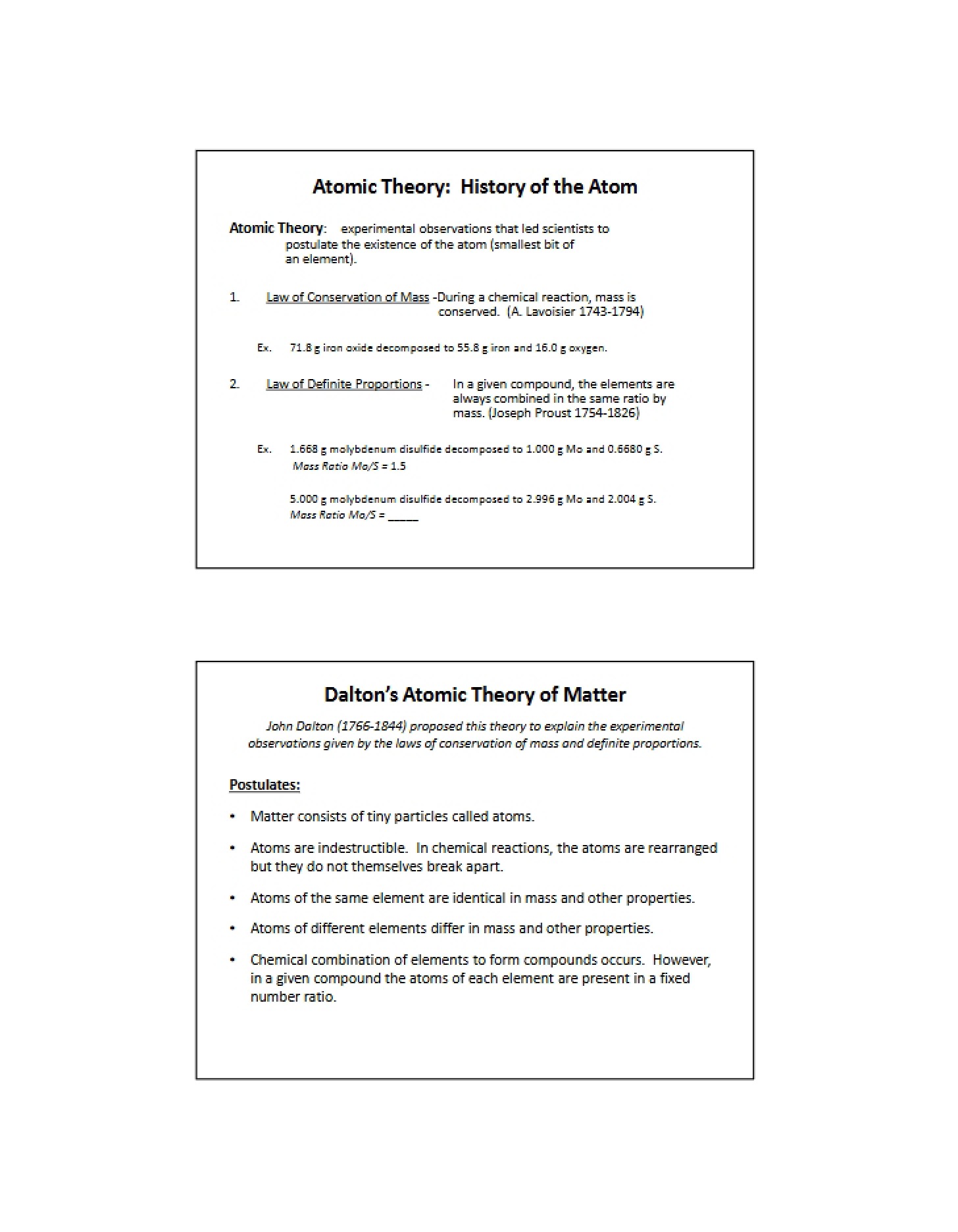
* An overview of key concepts that will be assessed on Exam 1, including atomic theory, nomenclature, and the mole concept.
* A list of important memorization topics, such as polyatomic ions and metric prefixes.
* Guidance on understanding chemical and physical changes, significant figures, and the factor-label method.