What This Document Is
This material represents the notes from the second lecture of a Fundamentals of Chemistry I (CHEM 115) course at West Virginia University. It’s designed to build upon foundational concepts and introduce essential skills needed for success in the course. The lecture appears to cover a blend of practical considerations for the course itself, alongside core chemical principles. It bridges the gap between introductory chemistry and more advanced topics.
Why This Document Matters
This resource is invaluable for students enrolled in CHEM 115 at WVU, or anyone taking a similar introductory chemistry course. It’s particularly helpful for reviewing previously learned material, understanding course expectations, and preparing for upcoming assignments. Students who carefully review these notes will be better equipped to tackle homework, laboratory work, and ultimately, exams. It’s best used *in conjunction* with attending lectures and completing assigned readings – think of it as a key support to your learning, not a replacement for active participation.
Common Limitations or Challenges
This document provides a record of the lecture content, but it does not substitute for a complete understanding gained through active learning. It won’t provide step-by-step solutions to problems, nor will it offer personalized instruction. The notes are a snapshot of the lecture and may require further clarification from the instructor or textbook. It also assumes a basic understanding of algebra and scientific notation.
What This Document Provides
* Review of fundamental unit conversions.
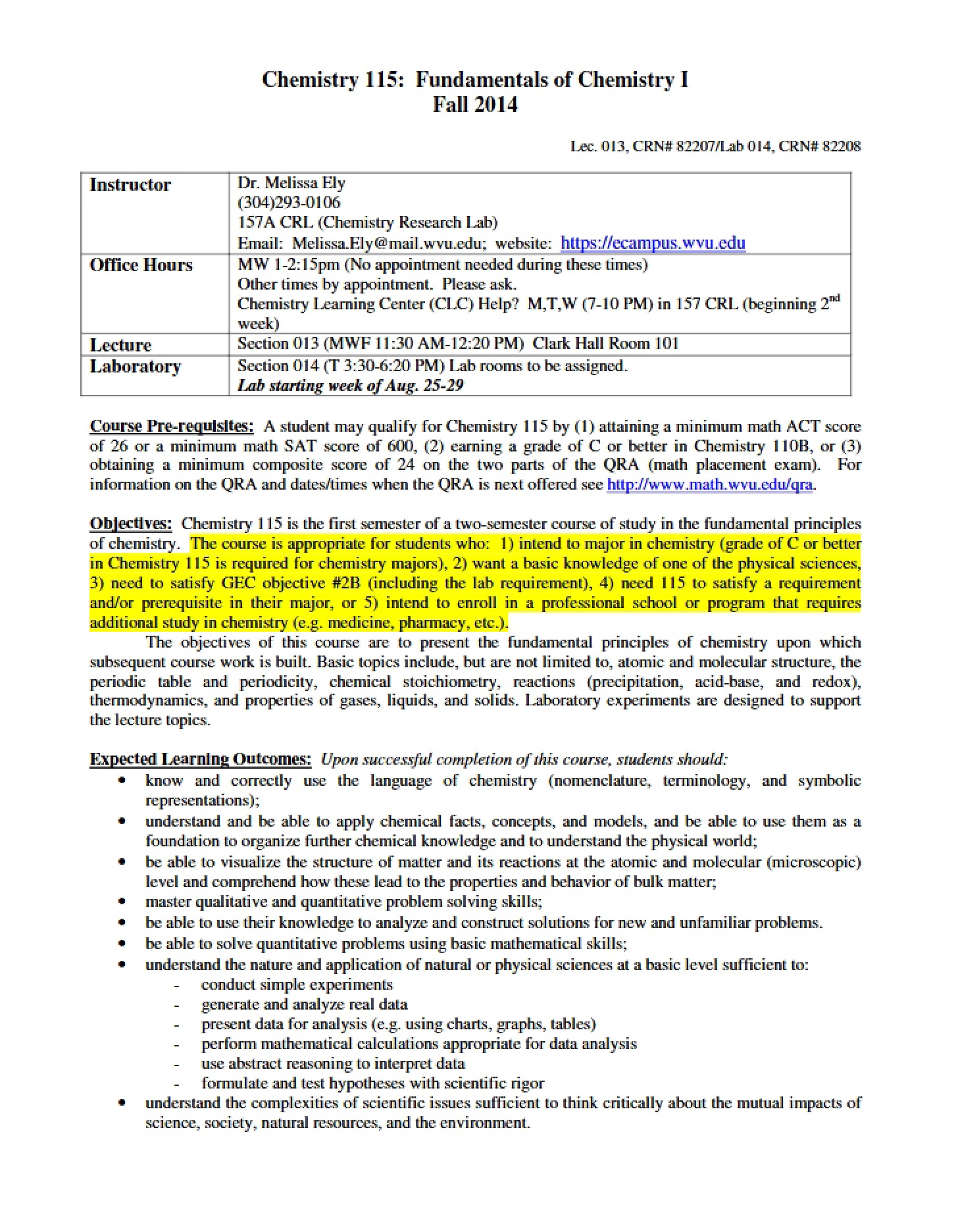
* Important prerequisite information for the course and how to demonstrate fulfillment.
* Details regarding required course materials, including textbook options and lab supplies.
* An introduction to the concept of significant figures and their importance in scientific measurement.
* Guidelines for determining the number of significant figures in a given value.
* An overview of standard exponential (scientific) notation.
* Rules for rounding measured numbers.
* Principles governing calculations with significant figures (multiplication, division, addition, subtraction).
* An introduction to the factor-label method for unit conversions.