What This Document Is
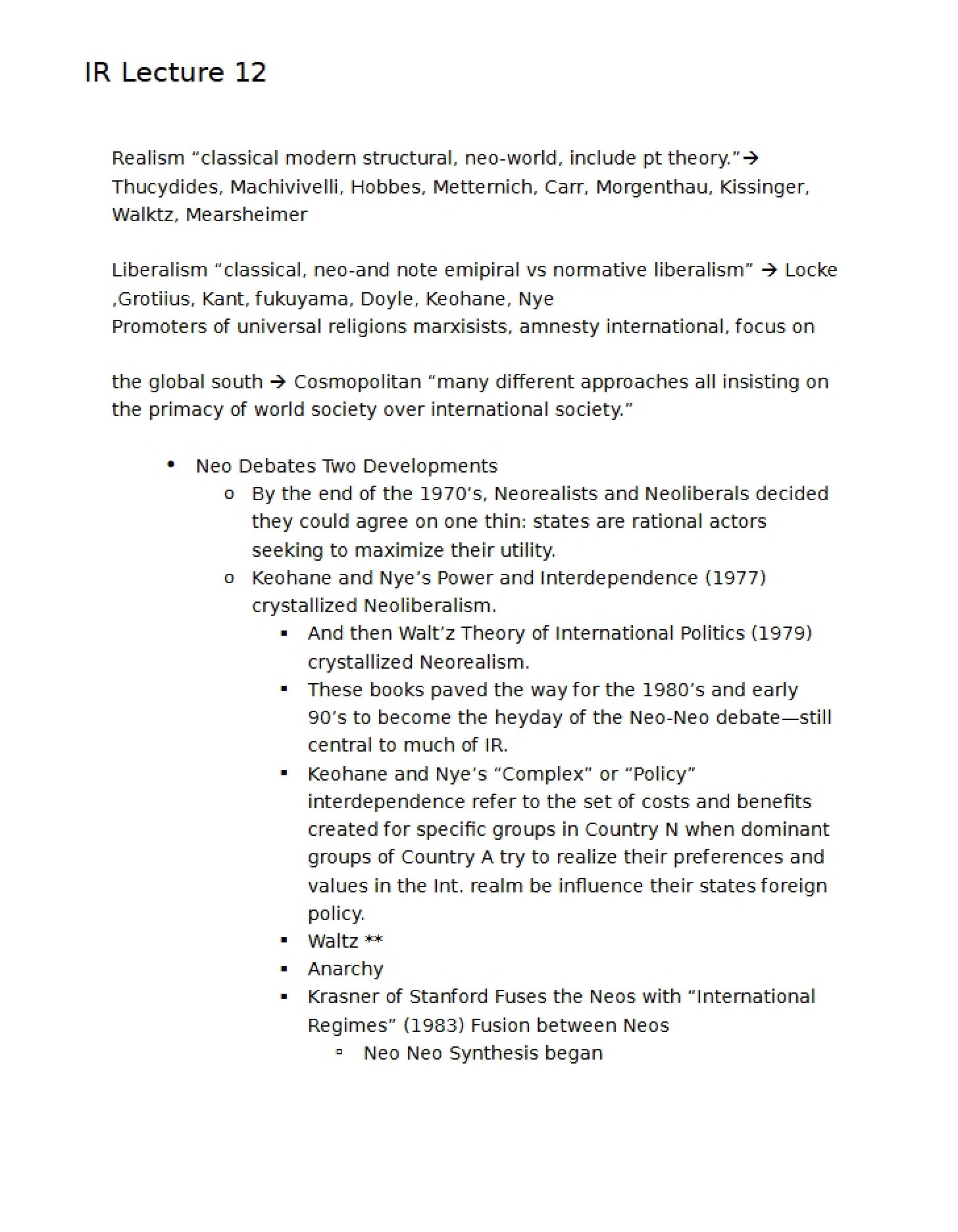
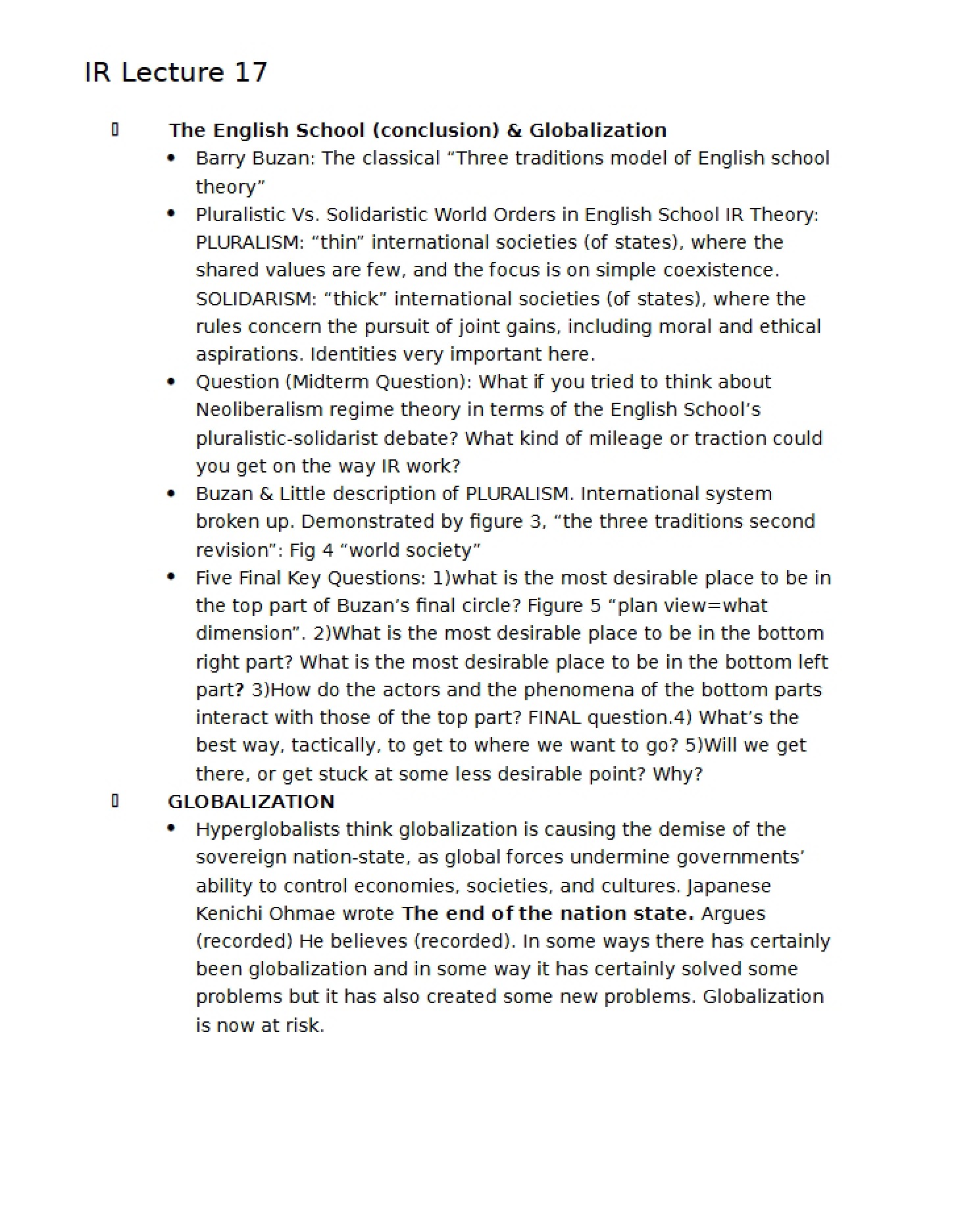
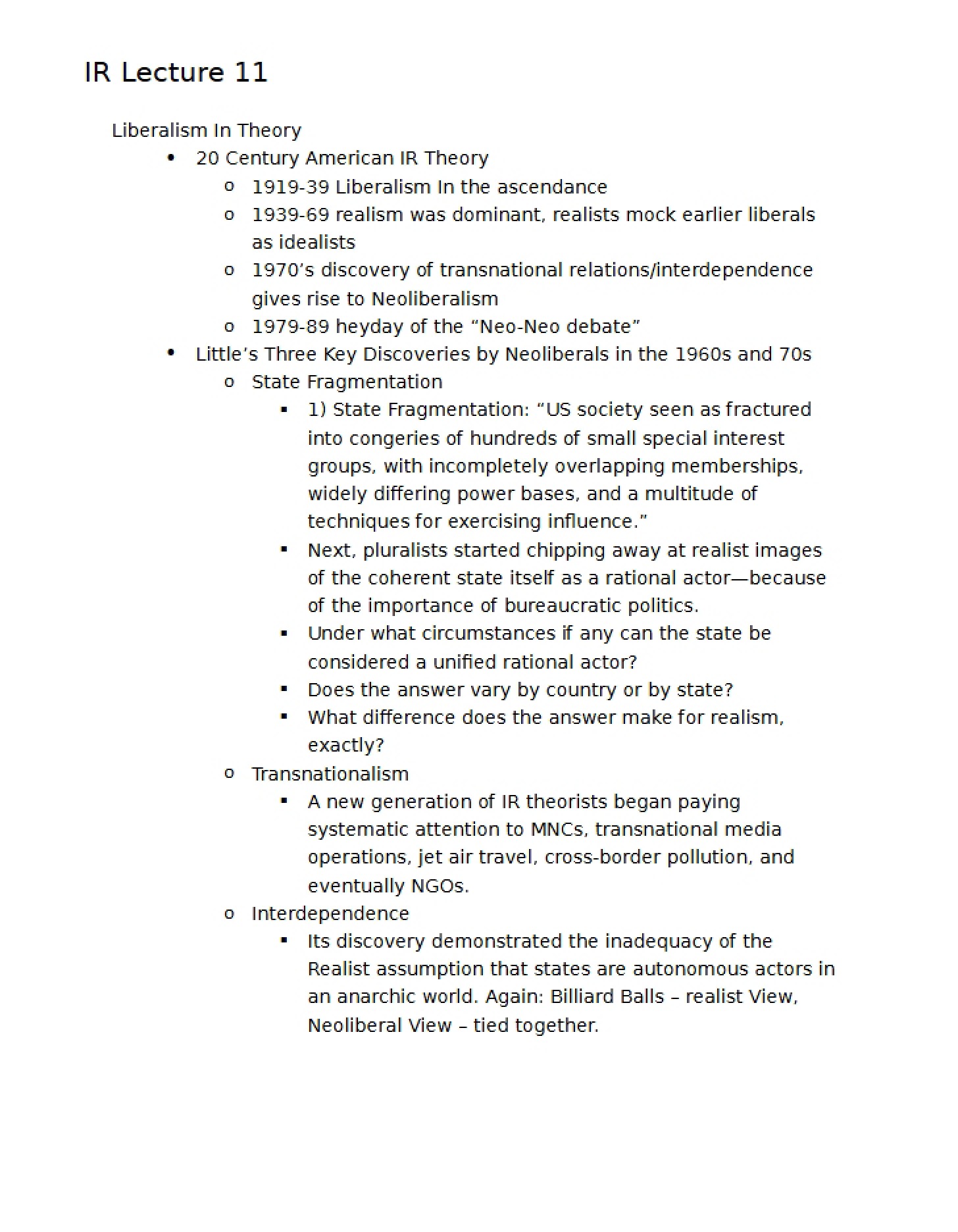
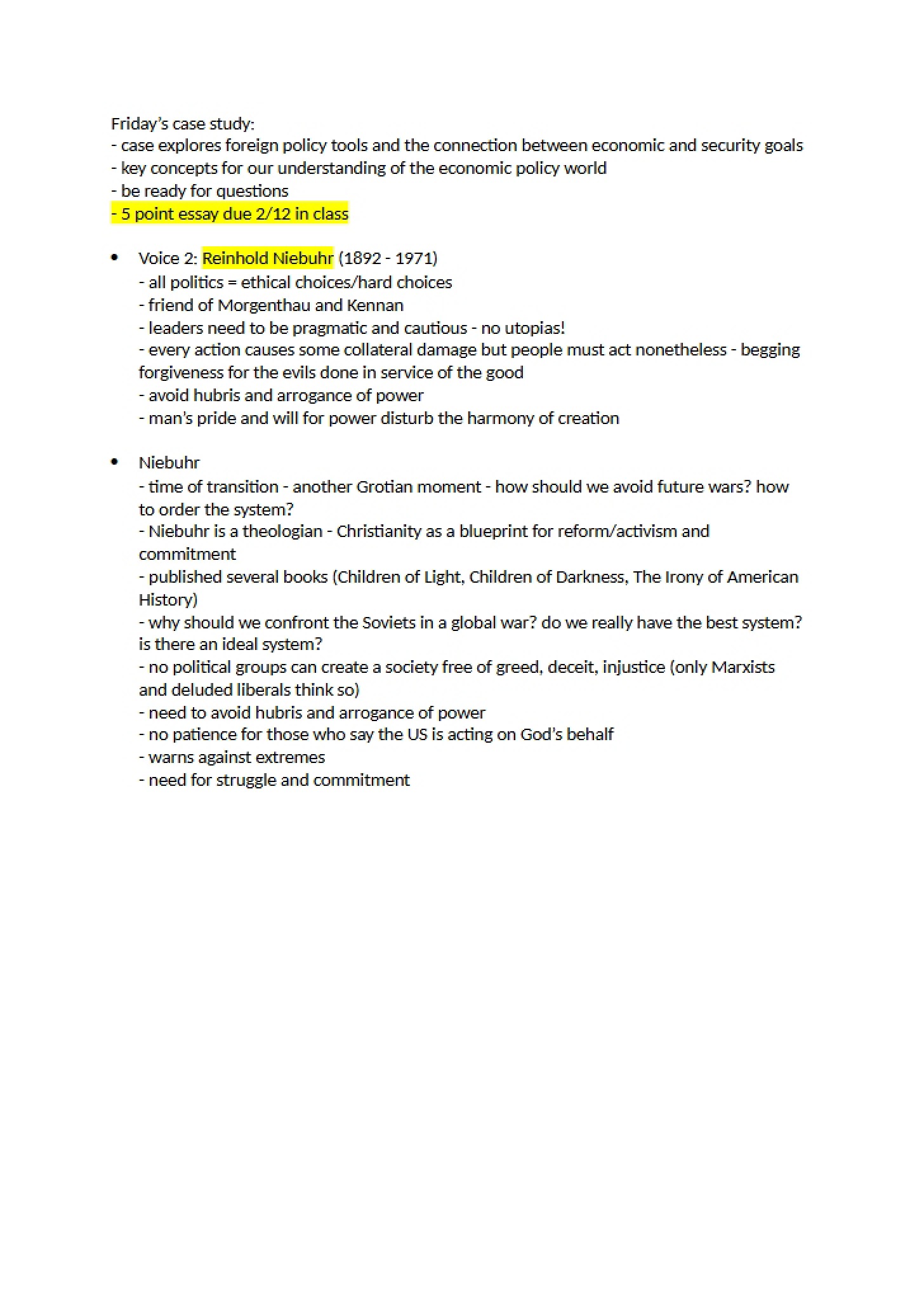
These are lecture notes from IR 210: Introduction to International Relations at the University of Southern California. Specifically, this installment focuses on the intellectual and political landscape following the end of the Cold War, often referred to as the “Long 1990s.” The notes delve into competing theoretical frameworks that attempted to explain the post-Cold War world order, examining dominant ideas about global politics and potential future trajectories. It builds upon earlier lectures covering historical events and foundational thinkers, connecting them to contemporary debates in international relations.
Why This Document Matters
Students enrolled in IR 210 will find these notes invaluable for solidifying their understanding of key concepts discussed in lecture. They are particularly helpful for those seeking to grasp the diverse interpretations of the post-Cold War era and the ongoing relevance of classical IR theories. These notes are best utilized *during* and *immediately after* the corresponding lecture to reinforce learning, and as a study aid when preparing for assessments. Anyone interested in the evolution of international thought and the debates surrounding global order will also benefit.
Common Limitations or Challenges
These notes represent a condensed record of a live lecture and are intended to *supplement*, not replace, required readings and independent study. They do not offer a comprehensive overview of every theorist or concept mentioned, nor do they provide original research or detailed case studies. The notes are focused on outlining arguments and identifying key thinkers; they won’t provide fully developed analyses or definitive answers to complex questions.
What This Document Provides
* An overview of major discourses that shaped understandings of the “Long 1990s.”
* Identification of influential thinkers and their core arguments regarding post-Cold War international politics.
* Discussion of theoretical frameworks like “democratic peace” theory and power transition theory.
* Exploration of differing perspectives on the potential for conflict and cooperation in the international system.
* Contextualization of these ideas within the broader historical narrative of the 20th and early 21st centuries.