What This Document Is
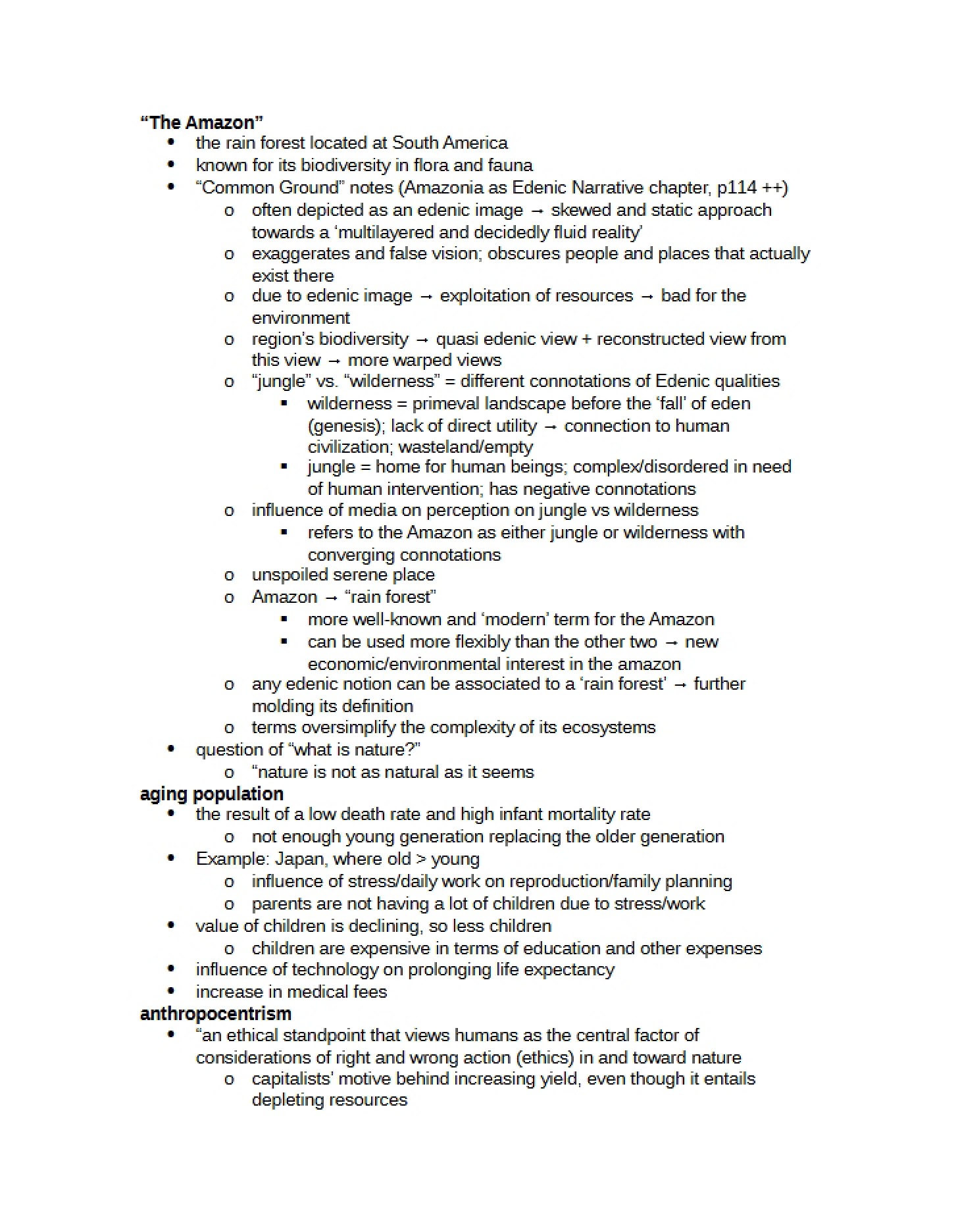
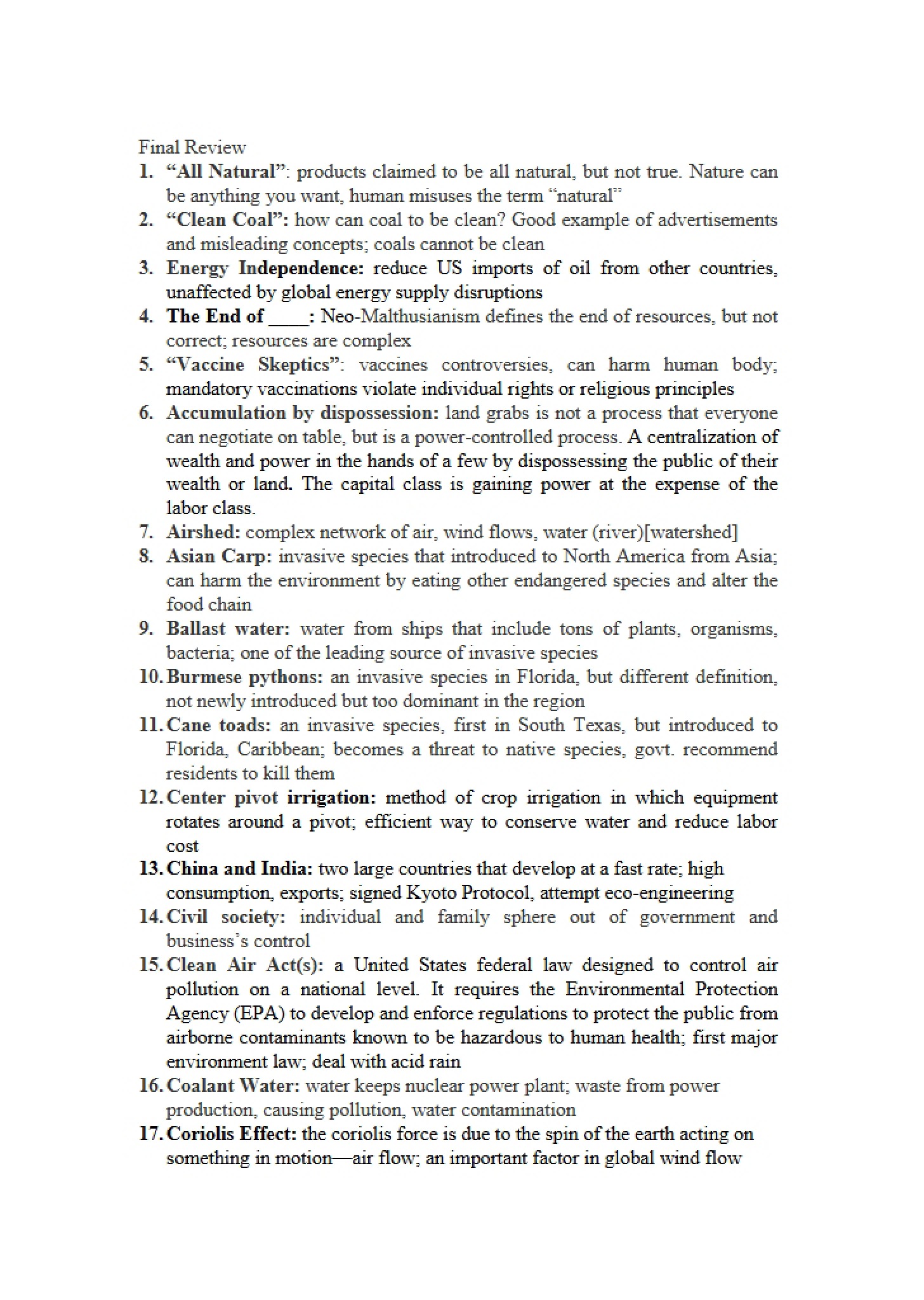
This resource is a comprehensive glossary of terms central to the field of Environment and Ethics (GEOG 257g) at the University of Southern California. It’s designed as a reference tool to clarify key concepts and vocabulary encountered within the course. The glossary covers a broad spectrum of topics, bridging environmental science, ethical philosophy, and socio-political considerations related to our interactions with the natural world. It aims to provide precise definitions for specialized language used in academic discussions and readings.
Why This Document Matters
This glossary is invaluable for students navigating complex ideas within environmental ethics. It’s particularly helpful for those new to the interdisciplinary nature of the course, offering a foundation for understanding nuanced debates. Use this glossary while reading course materials, preparing for discussions, or when encountering unfamiliar terminology. It’s a great resource for solidifying your understanding of core concepts and improving your ability to articulate arguments effectively. Students who find themselves struggling with the precise meaning of terms will find this particularly useful.
Common Limitations or Challenges
This glossary provides definitions, but it does not offer in-depth explanations of the historical context, ongoing debates, or real-world applications of these terms. It’s a starting point for understanding, not a substitute for engaging with the full course content. The glossary focuses on terminology *within* the scope of GEOG 257g and may not encompass every possible definition of a term as used in other disciplines. It is not a replacement for critical thinking or independent research.
What This Document Provides
* Definitions of key terms related to environmental philosophy (e.g., anthropocentrism, animal liberation).
* Clarification of ecological concepts (e.g., biodiversity, carrying capacity, apex predators).
* Explanations of environmental policy and economic approaches (e.g., cap and trade, command-and-control).
* Definitions of terms relating to human-environment interactions (e.g., Columbian Exchange, commodification).
* A foundational vocabulary for understanding complex environmental issues.