What This Document Is
This study guide provides a comprehensive overview of key concepts and thinkers explored in GEOG 257g: Environment and Ethics at the University of Southern California. It’s designed to help you review and synthesize the complex relationships between human societies and the natural world, focusing on ethical considerations within environmental studies. The guide delves into theoretical frameworks and real-world examples used throughout the course to illustrate core principles.
Why This Document Matters
This resource is invaluable for students preparing for assessments, particularly the midterm examination. It’s best utilized *after* engaging with course lectures and readings, serving as a tool to consolidate your understanding and identify areas needing further review. Students who grapple with applying ethical theories to environmental issues, or who want to strengthen their grasp of the historical context shaping current debates, will find this guide particularly helpful. It’s also useful for anyone seeking a structured recap of the major themes covered in the first half of the semester.
Common Limitations or Challenges
This guide is *not* a substitute for attending lectures or completing assigned readings. It offers a focused review, but doesn’t present the full scope of the course material. It will not provide detailed explanations of specific case studies, nor will it offer complete arguments or solutions to complex ethical dilemmas. The guide is intended to *complement* your existing notes and understanding, not replace them. It also doesn’t include any new or exclusive information not already presented in class.
What This Document Provides
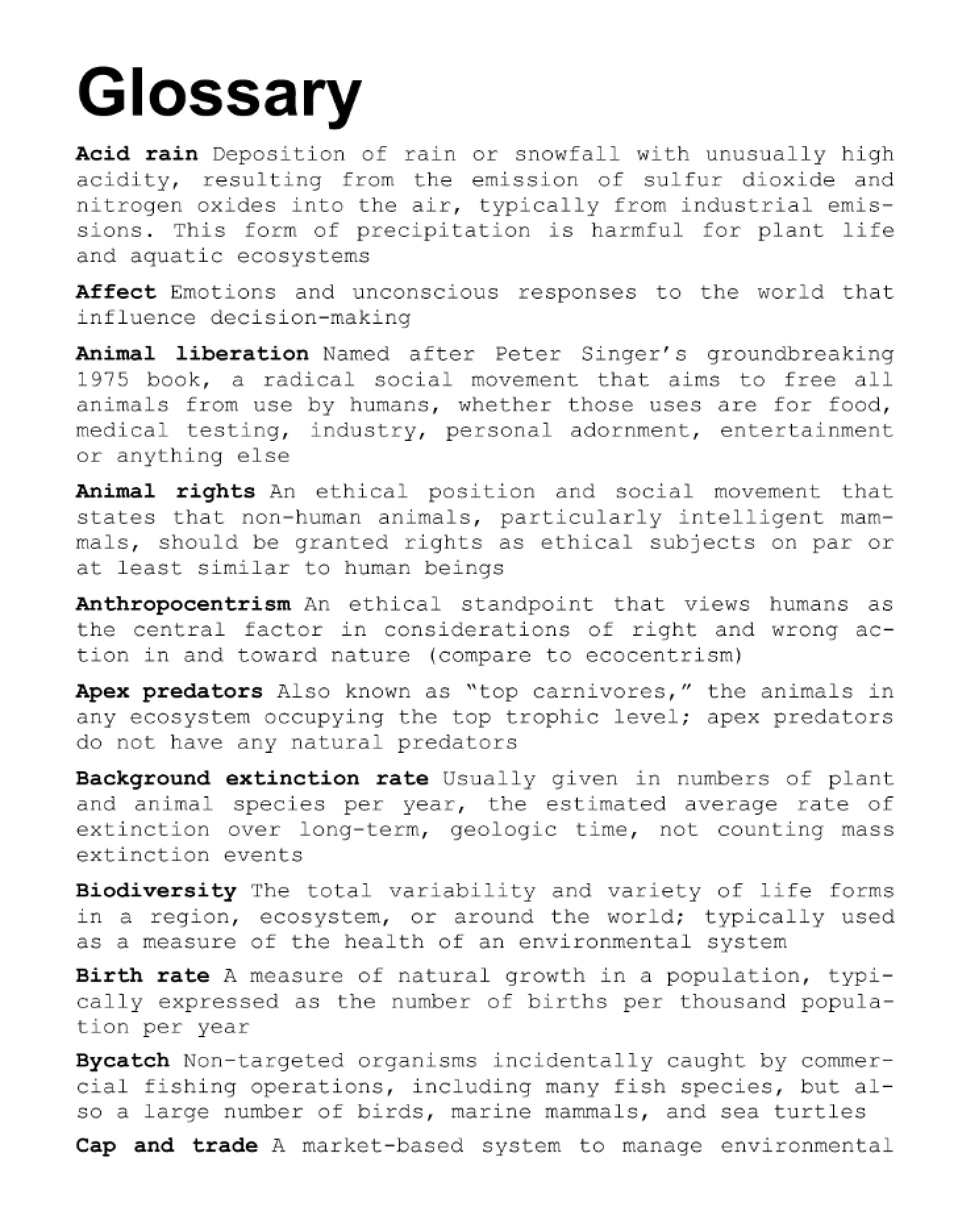
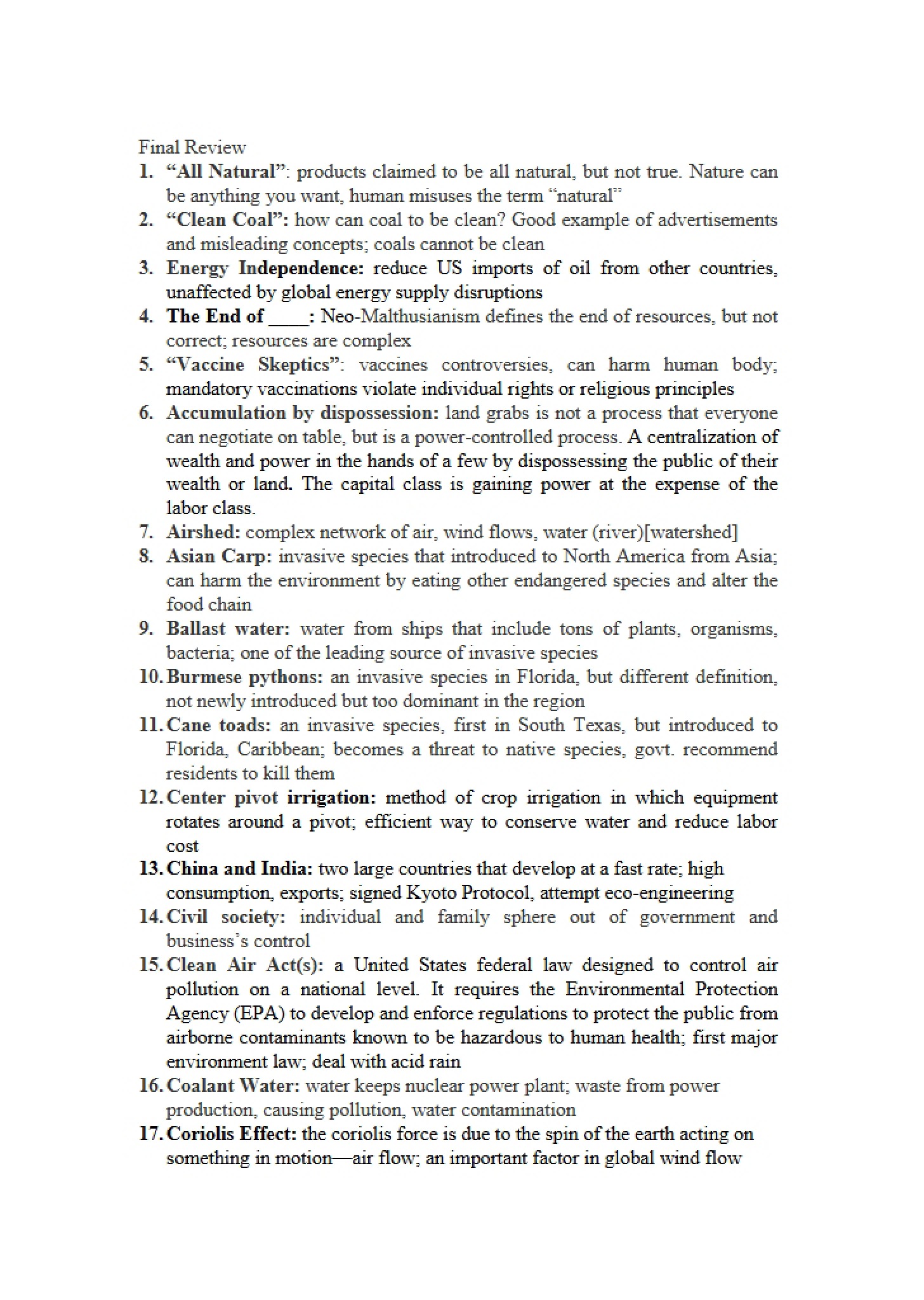
* Key terminology related to environmental ethics and sustainability.
* Overviews of influential figures and their contributions to the field.
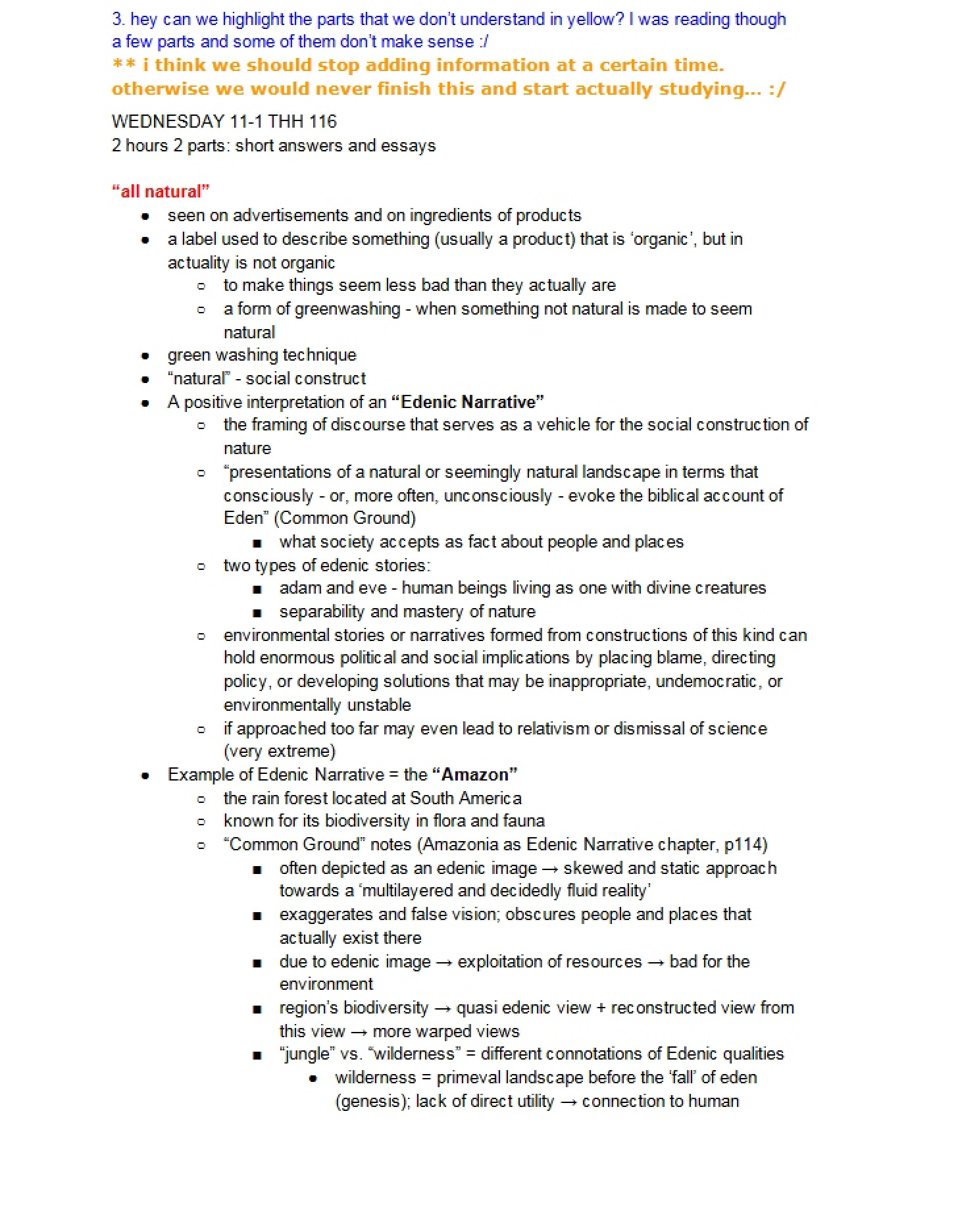
* Summaries of core concepts surrounding human perceptions of “nature.”
* Discussion points regarding the interplay between economic systems and environmental impact.
* Contextualization of specific examples used to illustrate broader theoretical frameworks.
* Connections between population dynamics, resource management, and ethical considerations.