What This Document Is
This is a foundational ethical code designed for professionals working within an addiction treatment setting. It outlines expected standards of conduct and professional responsibility for staff members and board members. The code aims to establish a framework for maintaining a safe, respectful, and effective therapeutic environment for patients and their families. It’s built upon existing ethical guidelines in the field, adapting them to the specific context of a residential treatment center.
Why This Document Matters
This resource is crucial for anyone involved in providing addiction counseling or support services, particularly those working in a residential treatment facility. It’s essential reading during onboarding, professional development, and as a regular reference point for ethical decision-making. Understanding these guidelines is vital for maintaining professional integrity, protecting patient welfare, and navigating the complex ethical challenges inherent in the addiction recovery process. It’s particularly relevant for students preparing for careers in this field.
Topics Covered
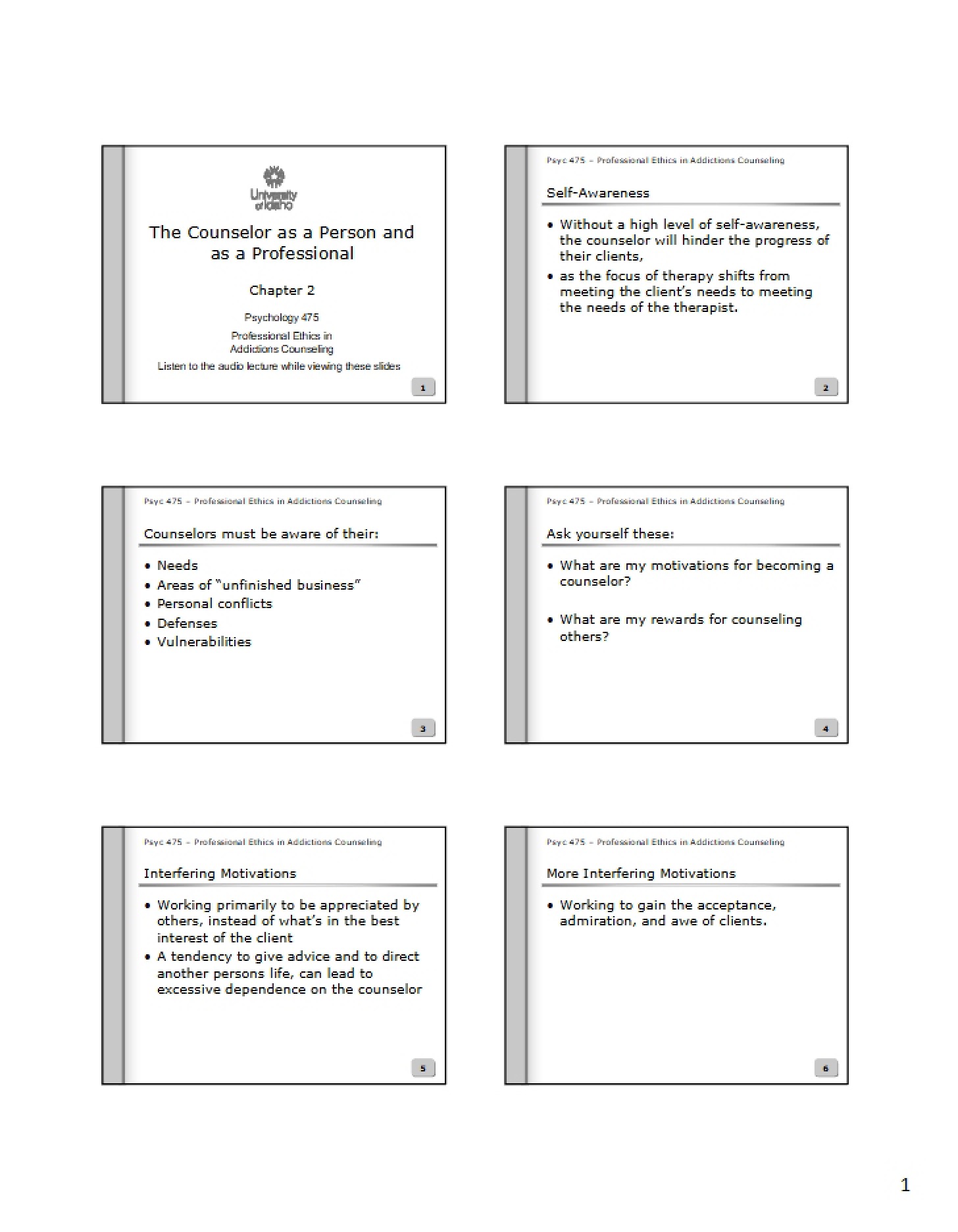
* Professional conduct and responsibility
* Patient welfare and rights
* Boundaries in therapeutic relationships
* Confidentiality and information sharing
* Conflicts of interest and exploitation
* Personal conduct and role modeling
* Addressing unethical behavior among colleagues
* Continuing professional development
* Post-treatment relationships with former patients
* Maintaining appropriate professional boundaries
What This Document Provides
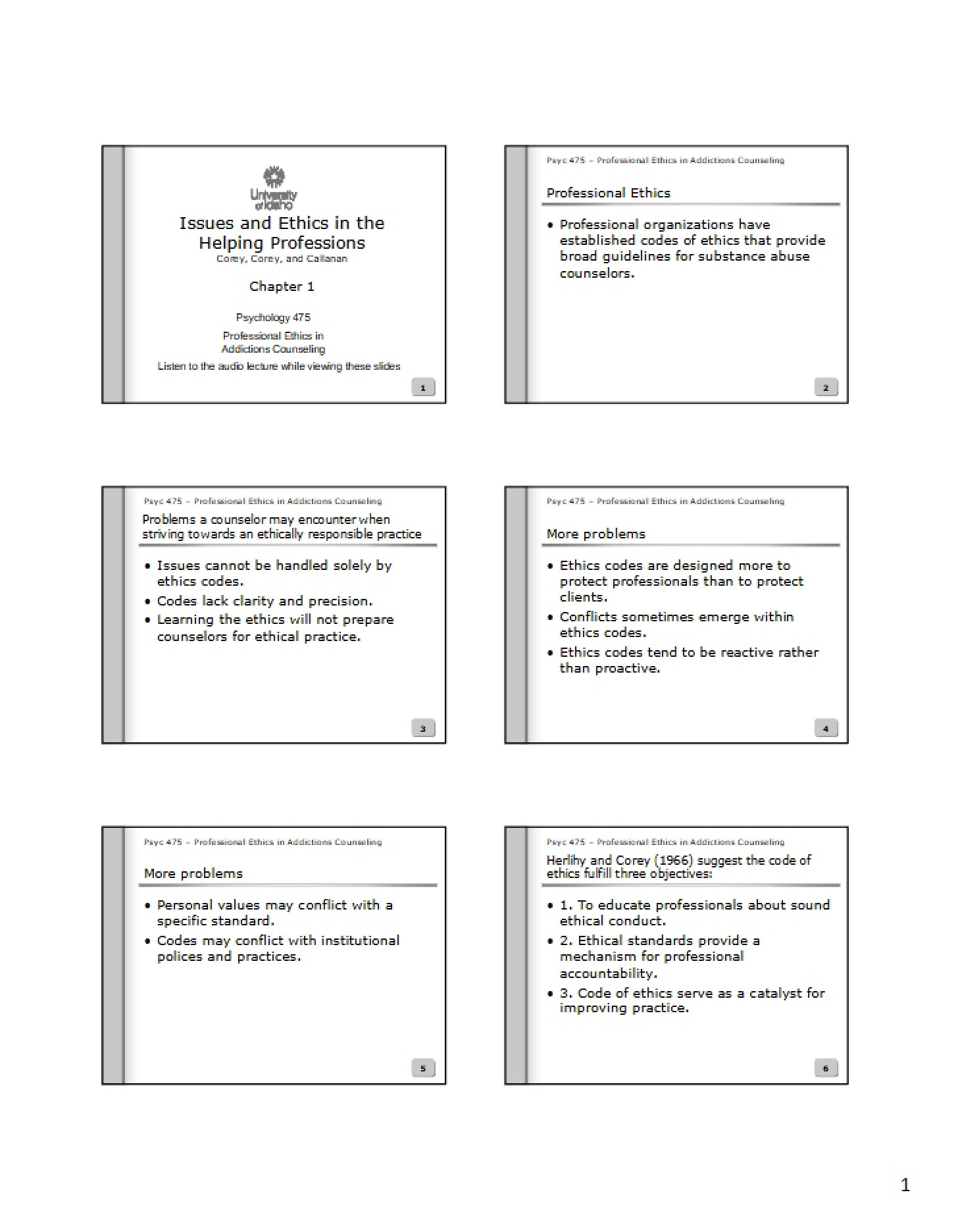
* A comprehensive set of ethical principles tailored to addiction counseling.
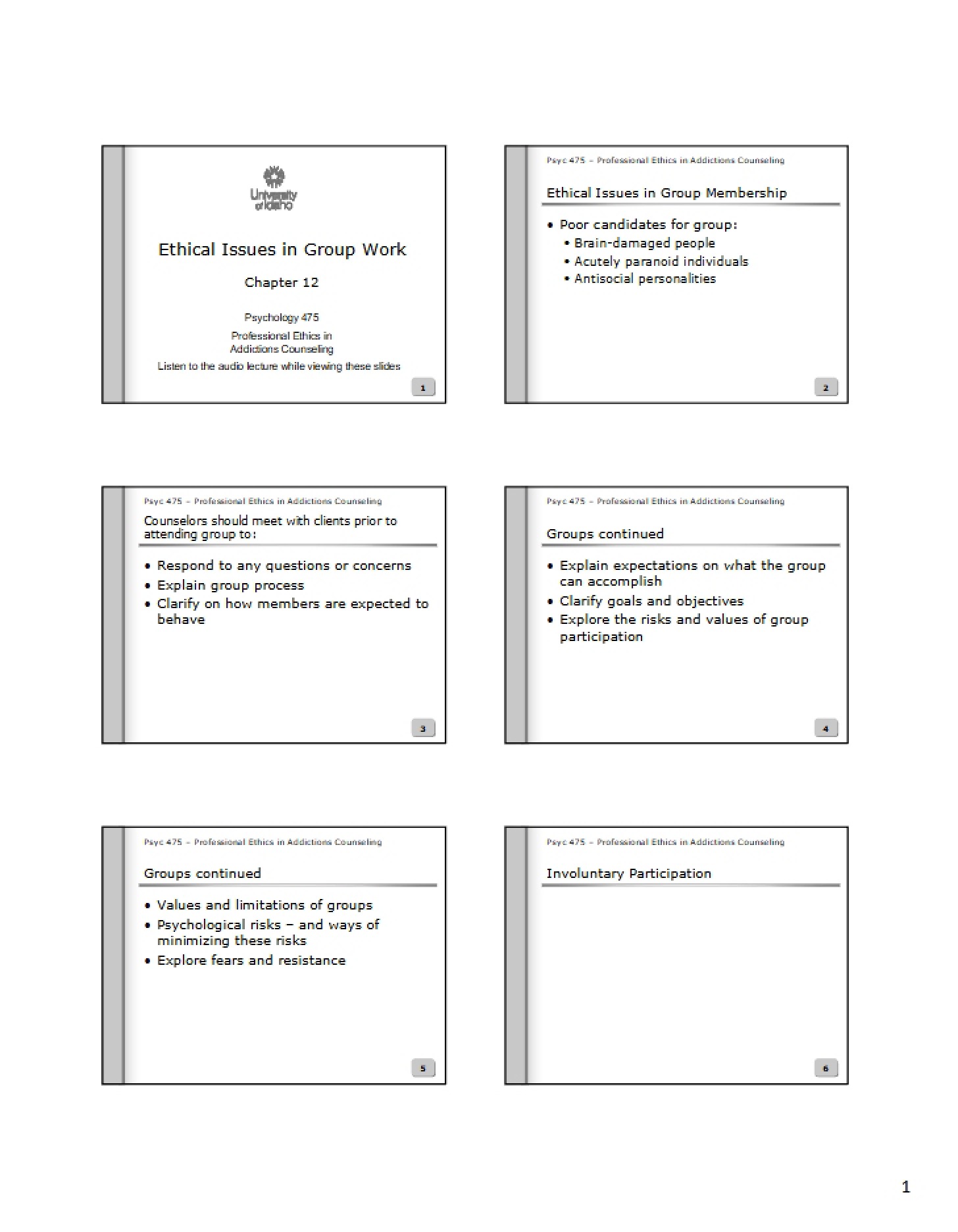
* Specific guidelines regarding interactions with patients and their families.
* Clarification of expected standards for maintaining professional boundaries.
* A framework for responsible handling of sensitive patient information.
* Guidance on navigating potential ethical dilemmas in a treatment setting.
* Expectations regarding personal conduct and its impact on patient care.
* A basis for upholding the rights and dignity of individuals seeking recovery.