What This Document Is
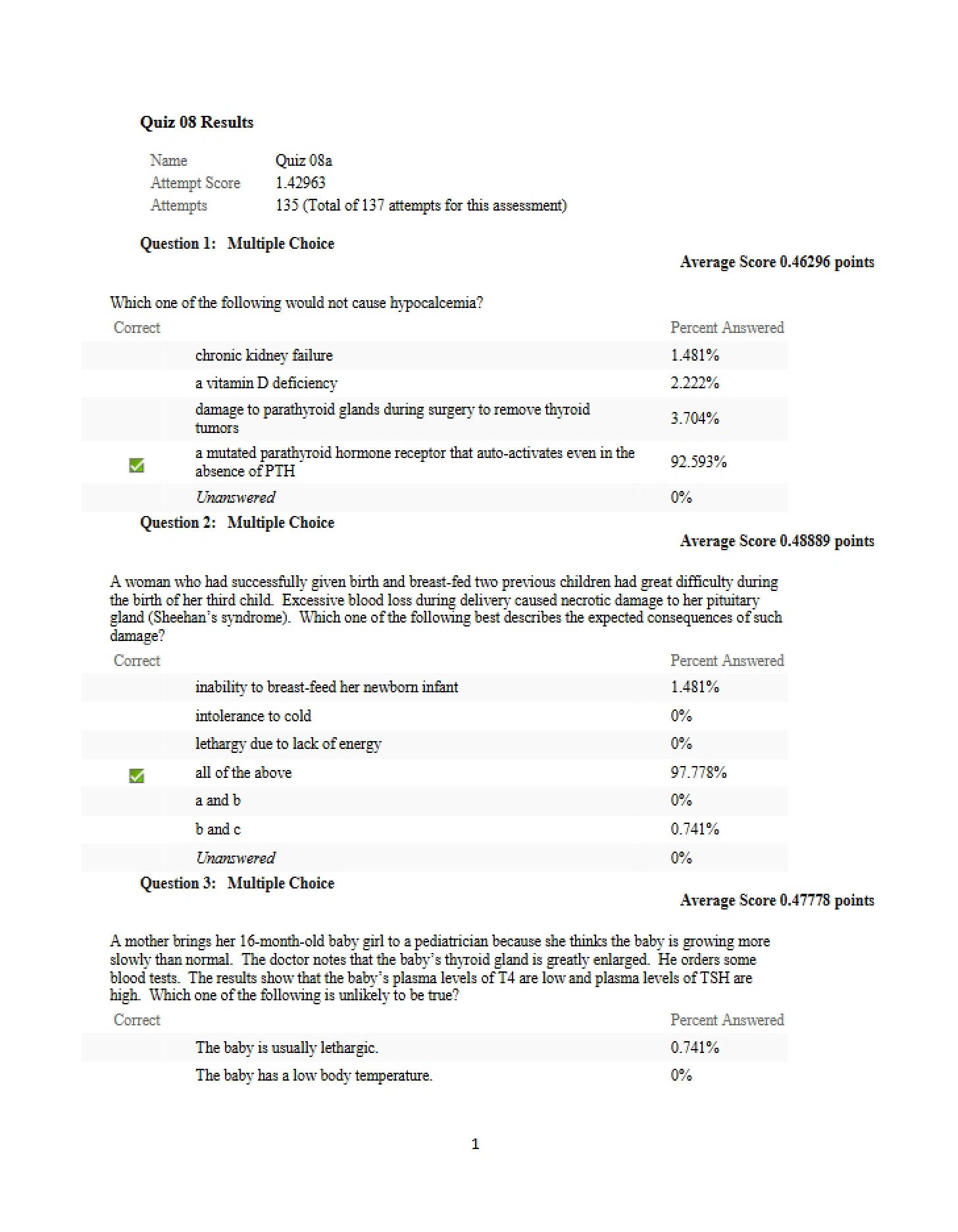
This document is a past exam from a General Physiology course (BISC 307) at the University of Southern California, originally administered in Spring 2011. It’s designed to assess understanding of core physiological principles, focusing on cellular transport, membrane potentials, and cell signaling. The format is a question-and-answer style, mirroring the structure of a typical university-level physiology examination. It covers fundamental concepts crucial to understanding how cells function and interact within a biological system.
Why This Document Matters
This resource is exceptionally valuable for students currently enrolled in a similar General Physiology course. It provides a realistic glimpse into the types of questions and the level of detail expected by instructors. Utilizing past exams is a proven strategy for exam preparation, allowing students to identify knowledge gaps and refine their test-taking skills. It’s particularly useful for self-assessment and practice under timed conditions, simulating the actual exam environment. Students preparing for quizzes or needing to reinforce their understanding of key concepts will also find this a helpful study aid.
Common Limitations or Challenges
It’s important to remember that this is a past exam. While the core principles of physiology remain constant, specific emphases or details covered in your current course may differ. This exam should not be considered a definitive predictor of all questions on your upcoming assessment. Furthermore, this resource does *not* include detailed explanations or worked solutions; it presents the questions as they were originally given. Access to the answers is restricted.
What This Document Provides
* A range of question types, including multiple-choice and short answer.
* Problems relating to osmotic pressure, membrane permeability, and hydrostatic pressure.
* Questions exploring the function of key membrane proteins and transporters (e.g., Na+/K+ ATPase, CFTR).
* Scenarios involving ion distributions and the development of membrane potentials.
* Questions focused on intracellular signaling pathways, including cAMP and inositol trisphosphate (IP3).
* A sense of the relative weight given to different topics within the course.