What This Document Is
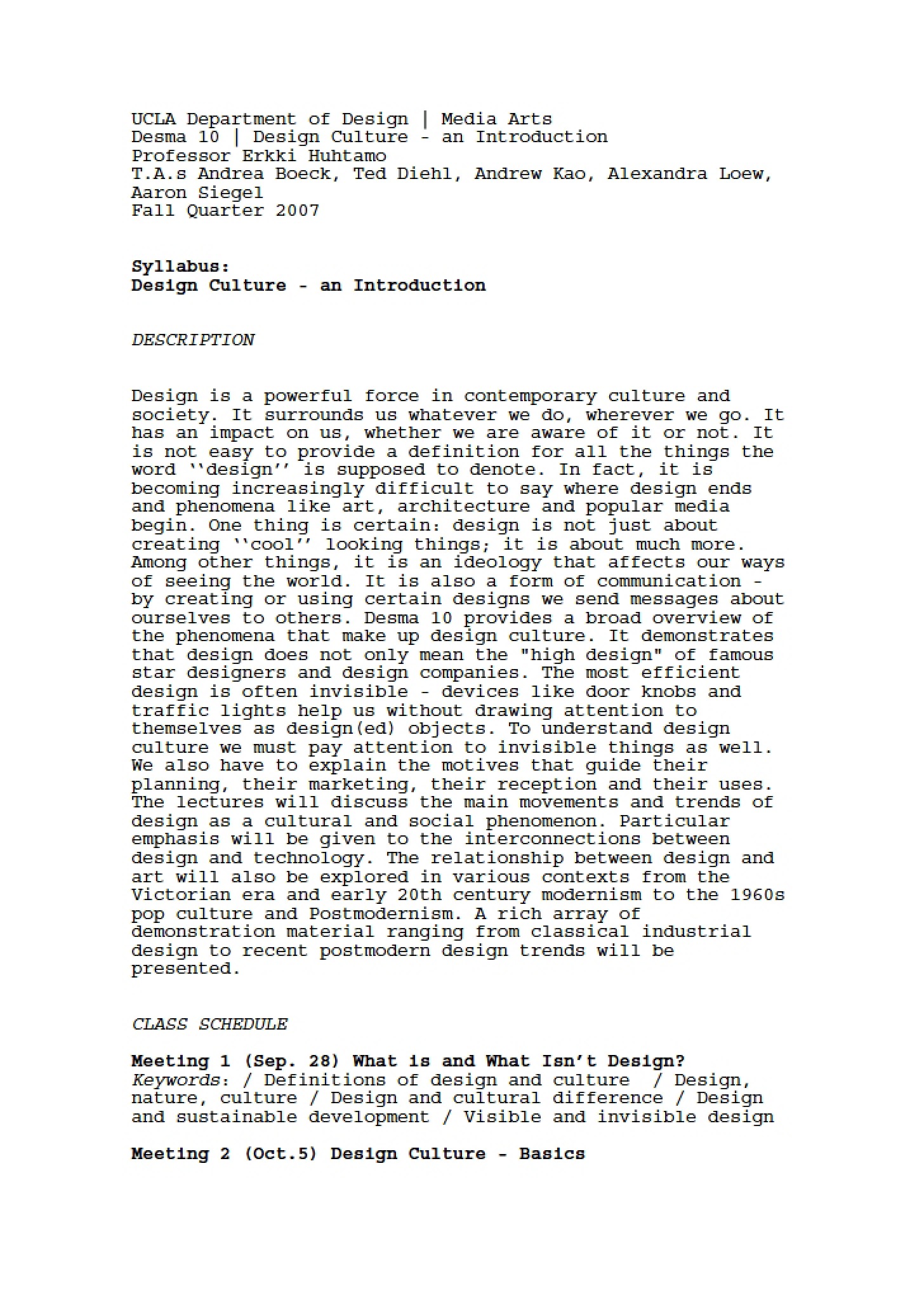
This is the official syllabus for Design Culture – an Introduction (Desma 10) at the University of California, Los Angeles, for the Fall 2010 quarter. It serves as a comprehensive guide to the course, outlining its objectives, schedule, and expectations. This document details the framework for exploring the multifaceted world of design and its profound impact on society. It’s a foundational resource for students embarking on their journey to understand design’s role beyond aesthetics.
Why This Document Matters
This syllabus is essential for anyone enrolled in or considering taking Desma 10. It provides a clear roadmap of the course, allowing students to prepare for weekly topics and associated readings. Prospective students can use this syllabus to gauge the course’s scope and determine if it aligns with their academic interests. Understanding the course structure beforehand can significantly enhance your learning experience and academic performance. Accessing the full syllabus unlocks a detailed understanding of course logistics and expectations.
Topics Covered
* The fundamental definitions of design and design culture.
* The historical relationship between design, art, and technology.
* The influence of societal forces on design movements and trends.
* The distinction between visible and invisible design elements.
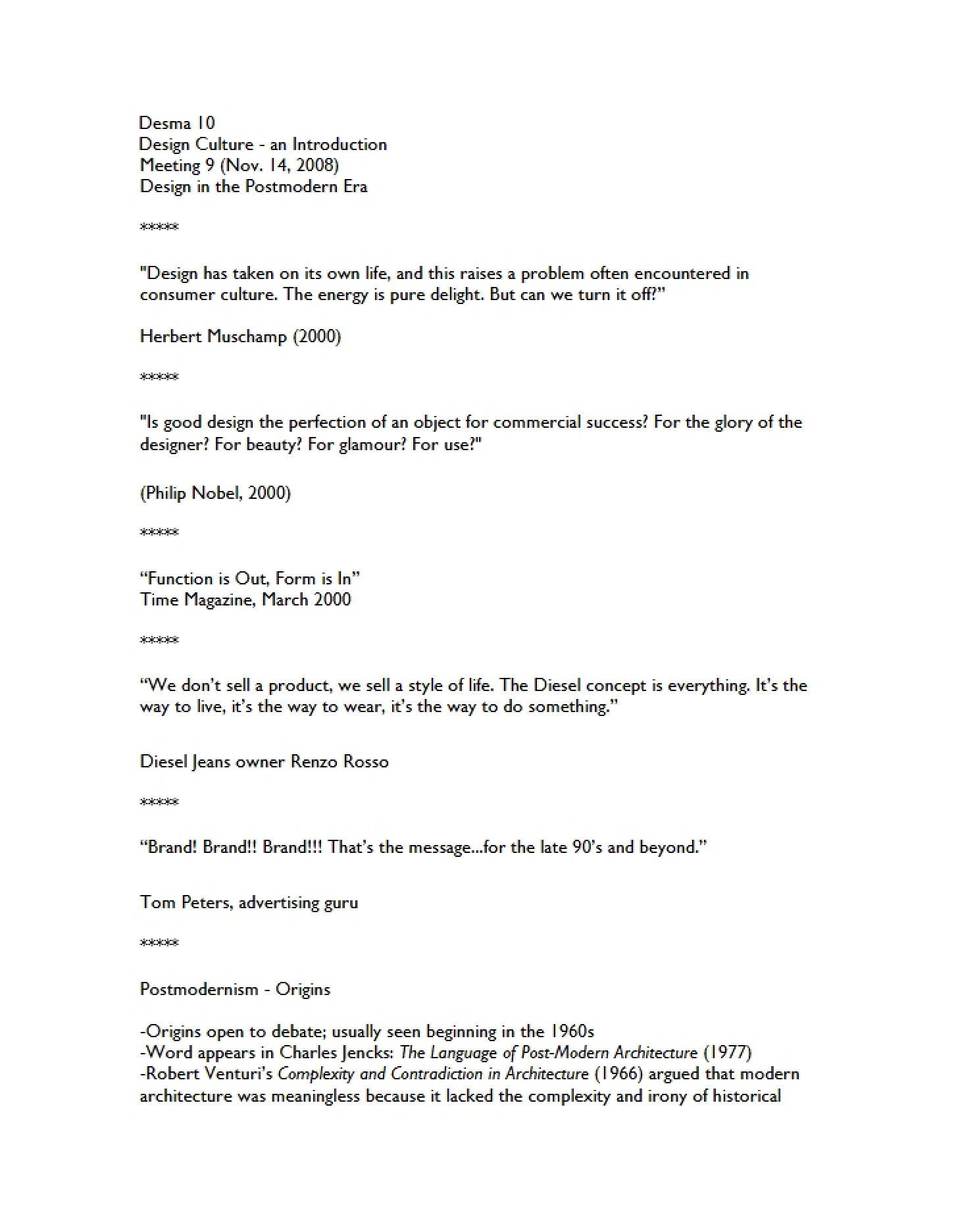
* The evolution of design from the Victorian era to Postmodernism.
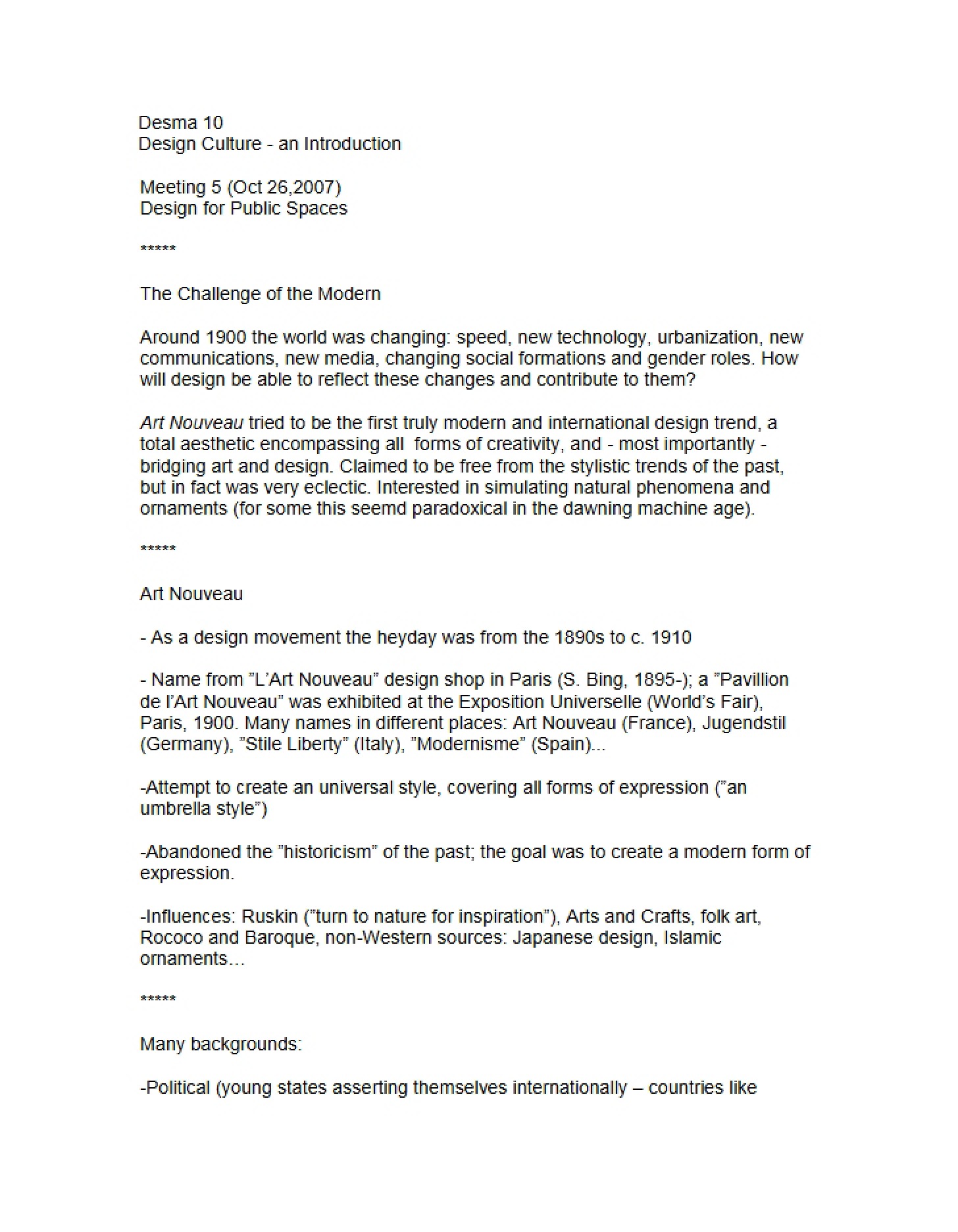
* The role of design in public spaces and political expression.
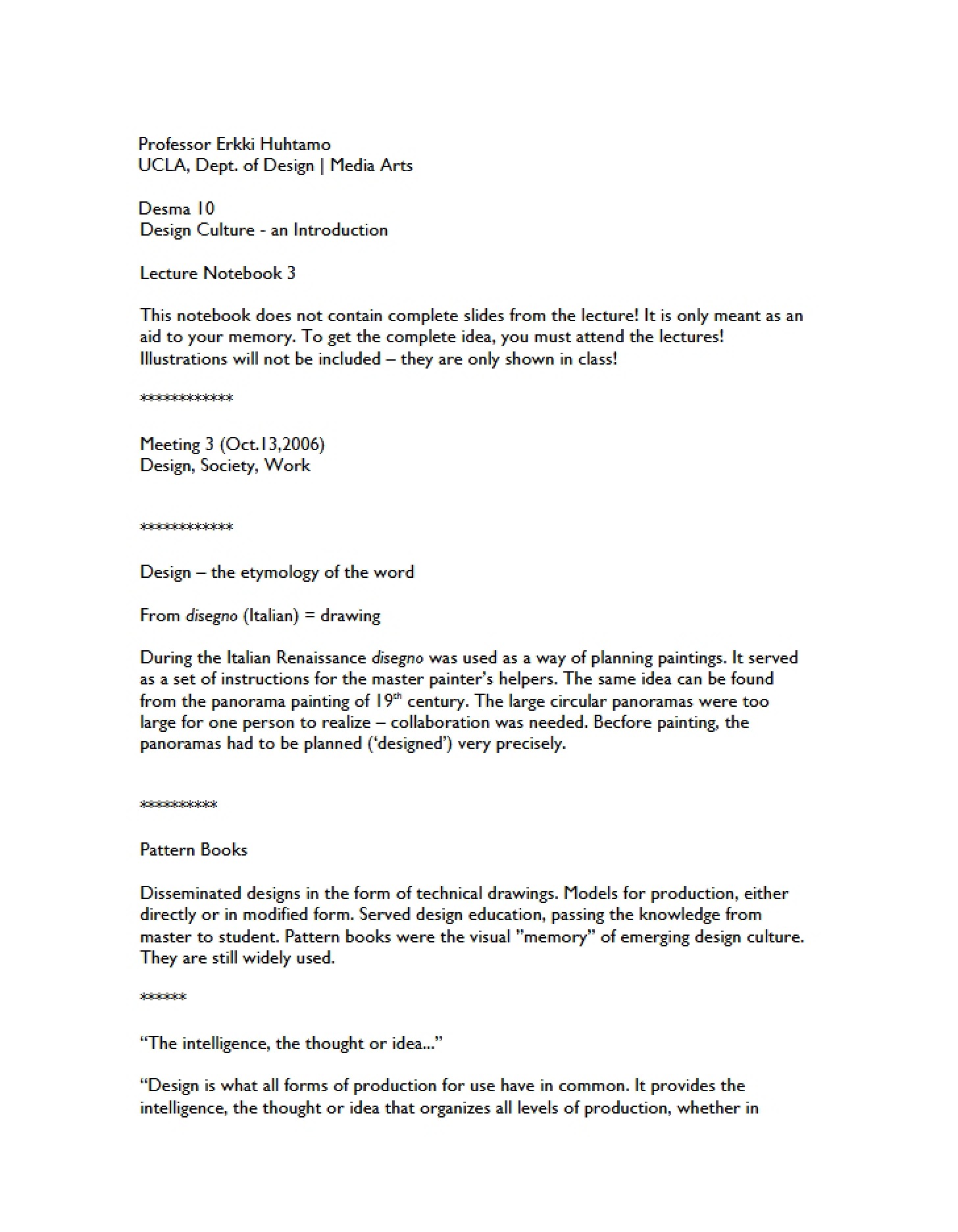
* The impact of mass production and automation on design processes.
* Exploration of design’s connection to broader cultural phenomena.
What This Document Provides
* A detailed weekly schedule outlining lecture topics and keywords.
* A list of required readings for each session, offering a starting point for deeper exploration.
* Information regarding teaching assistants and their respective section assignments.
* An overview of the course description and its core learning objectives.
* Insight into special sessions and any associated requirements (e.g., physical activity).
* A foundational understanding of the course’s approach to design awareness and critical thinking.