What This Document Is
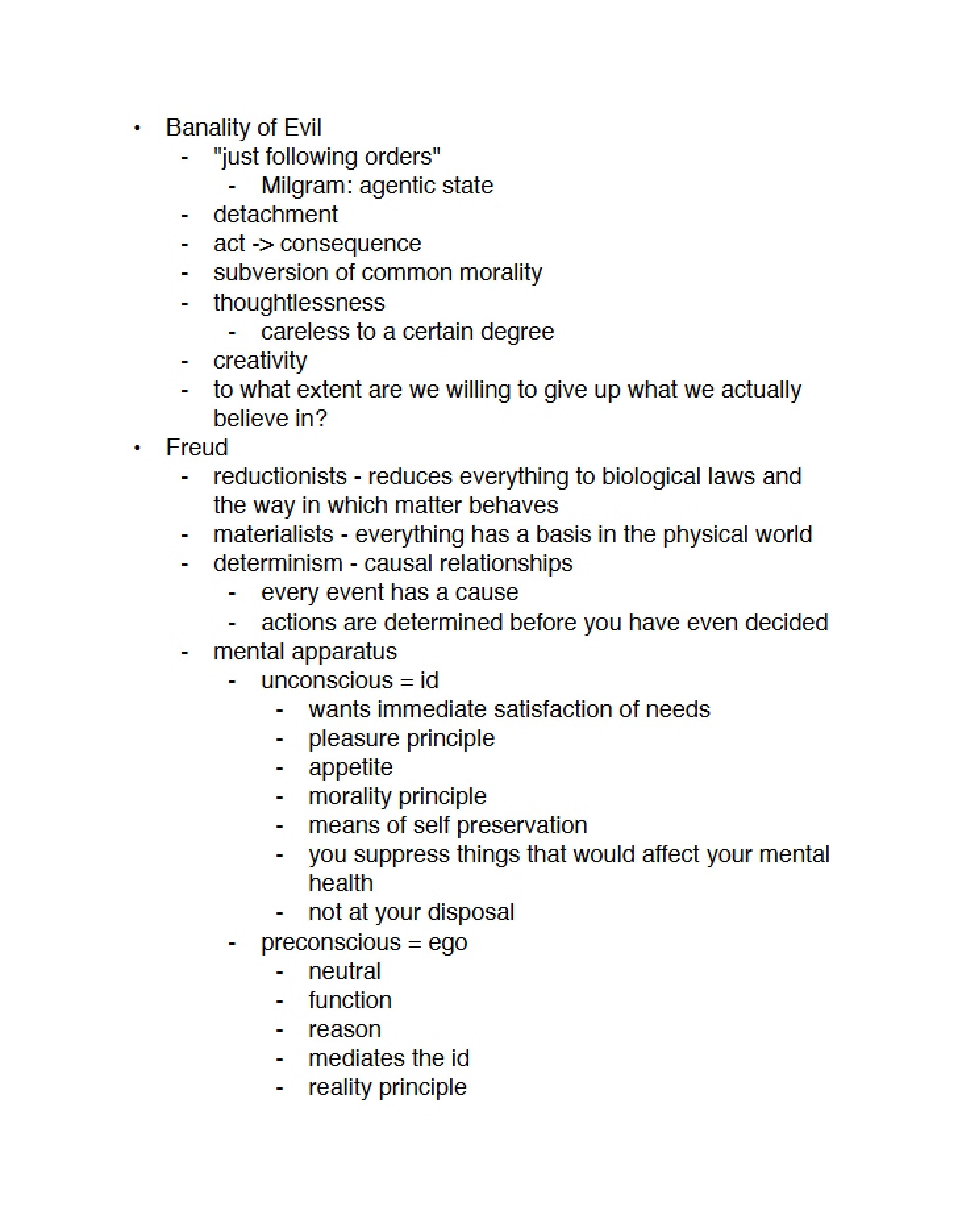
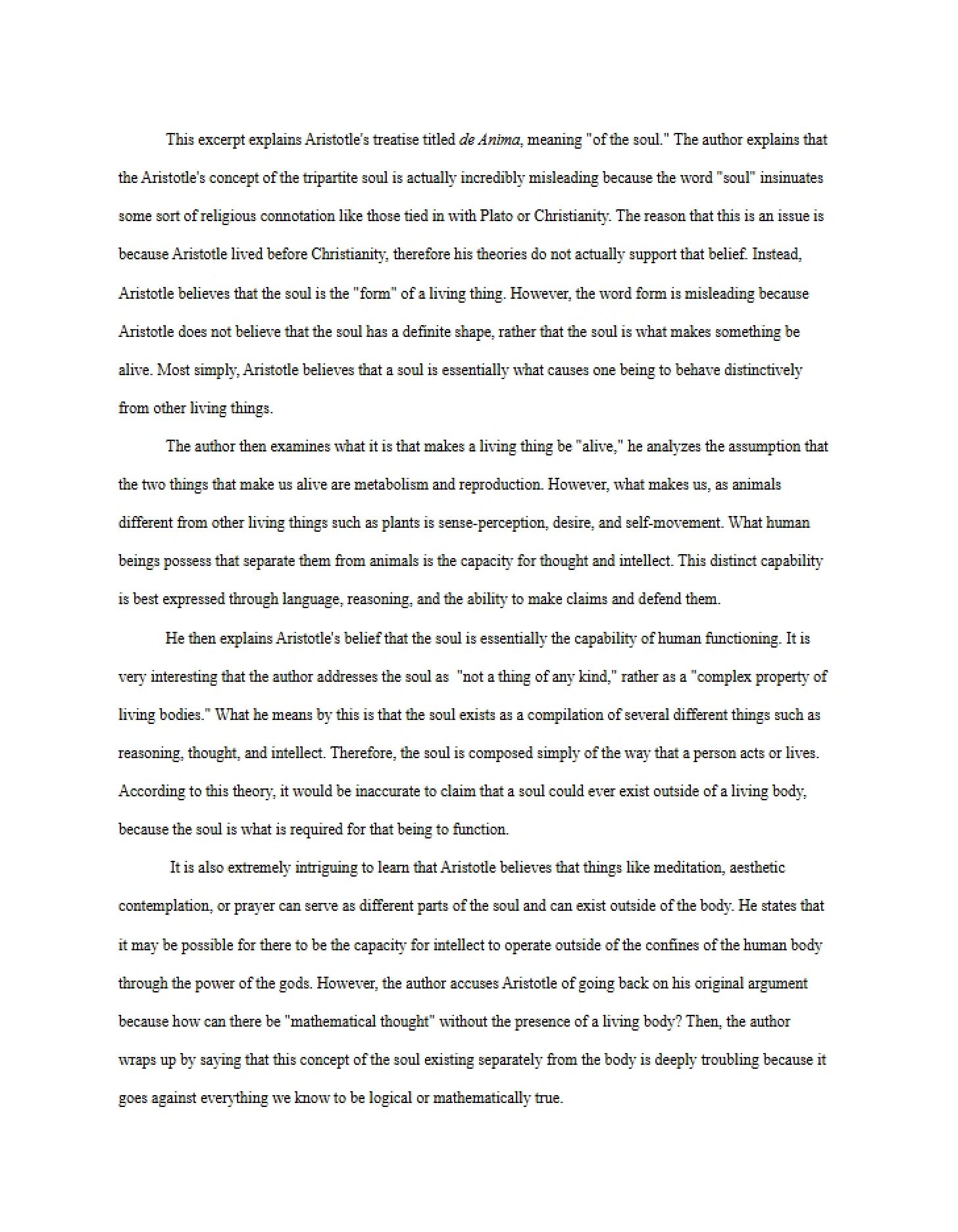
These notes cover key figures and concepts explored within the realm of early modern philosophy, specifically as they relate to the study of the human mind and the foundations of knowledge. The material focuses on prominent thinkers and their attempts to systematically understand how we perceive the world, form beliefs, and navigate moral considerations. It appears to be a lecture-based record, likely capturing core ideas and distinctions presented in a course on contemporary moral issues. The notes delve into differing philosophical approaches to understanding human understanding.
Why This Document Matters
This resource is ideal for students enrolled in philosophy courses – particularly those focusing on epistemology, metaphysics, or moral philosophy – who are seeking to solidify their understanding of foundational thinkers. It’s especially useful for review before quizzes or exams, or for clarifying complex ideas discussed in class. Students who struggle with abstract philosophical concepts or need a concise overview of key arguments will find this a valuable study aid. It’s designed to help you grasp the historical development of thought surrounding human cognition and its implications for ethical reasoning.
Common Limitations or Challenges
These notes represent a specific interpretation of lecture material and should not be considered a substitute for direct engagement with primary source texts or required course readings. The notes are not a comprehensive treatise on the subject matter; rather, they highlight specific points of emphasis. They do not offer complete arguments or detailed analyses, and will not provide ready-made answers for assignments. Furthermore, the notes are focused on a particular presentation of these ideas and may not encompass all nuances of each philosopher’s work.
What This Document Provides
* An overview of the core tenets of a prominent philosophical figure’s approach to understanding the human mind.
* Key distinctions between different philosophical schools of thought regarding knowledge acquisition.
* Discussion of the challenges inherent in studying human behavior and forming generalizations.
* Exploration of concepts related to perception, sensation, and the formation of ideas.
* Connections between philosophical inquiry and the pursuit of a fulfilling life.