What This Document Is
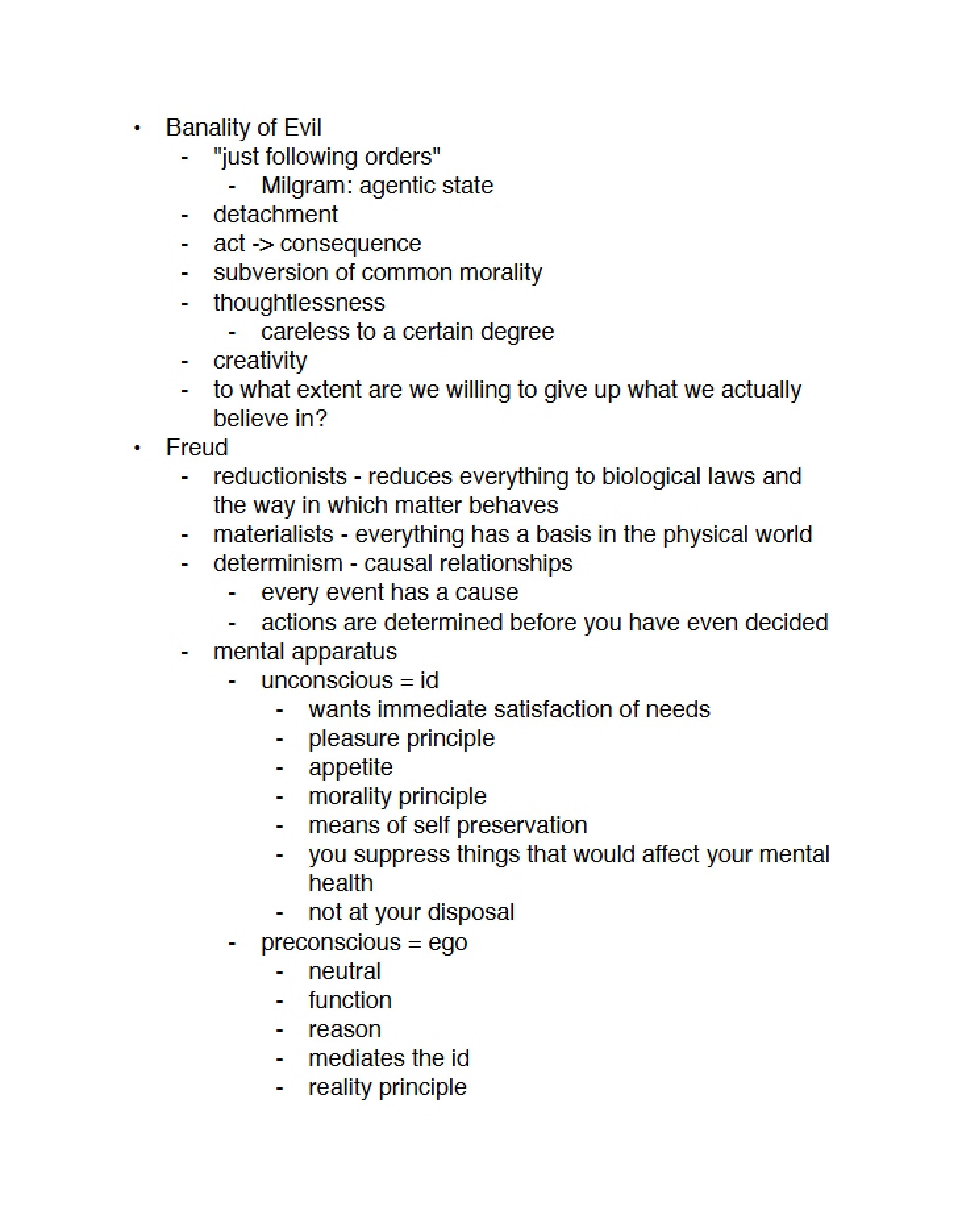
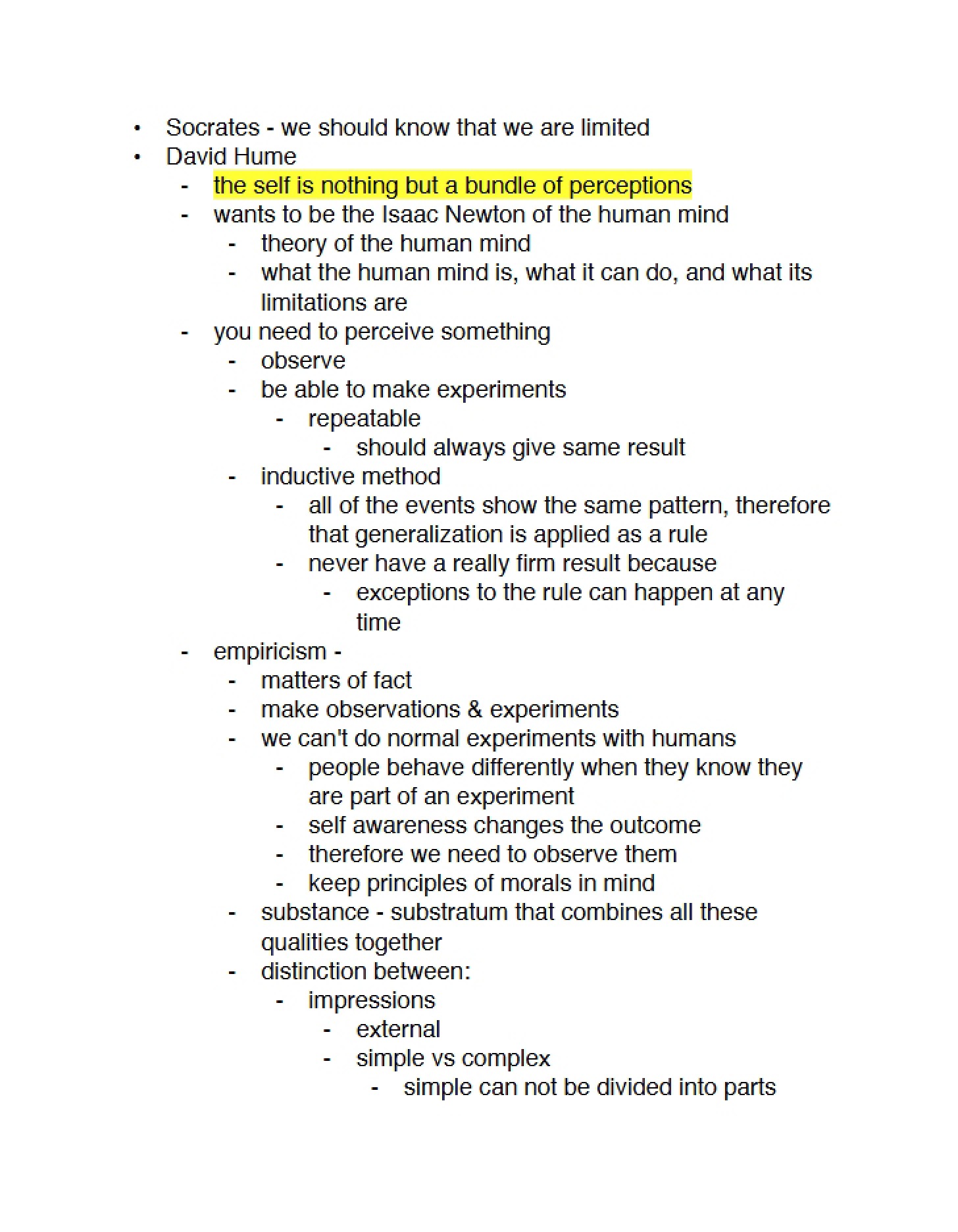
These notes, taken on March 20th for PHIL 211 at the University of South Carolina, explore connections between philosophical concepts in behavioral psychology and their illustration within popular culture. Specifically, the material bridges theoretical frameworks concerning the causes of behavior with a detailed analysis of Suzanne Collins’ *The Hunger Games*. The notes delve into how complex societal structures and individual actions can be understood through both psychological and political lenses. It’s a comparative study, aiming to reveal underlying themes and thought experiments present in both academic theory and fictional narrative.
Why This Document Matters
Students enrolled in Contemp Moral Issues will find these notes particularly helpful when grappling with questions of free will, determinism, and the influence of environment versus innate characteristics. They are ideal for review before class discussions, as preparation for assignments requiring application of philosophical principles, or as a resource when formulating arguments related to ethical considerations in societal systems. Anyone seeking a deeper understanding of how behavioral theories manifest in real-world (or fictional) scenarios will benefit from exploring the connections made within these notes.
Common Limitations or Challenges
These notes represent a specific interpretation of the course material as of March 20th. They do not constitute a complete substitute for attending lectures or completing assigned readings. The analysis presented is focused on particular aspects of *The Hunger Games* and may not cover all possible interpretations or relevant philosophical viewpoints. Furthermore, the notes are designed to stimulate thought and understanding, but do not offer definitive answers or solutions to complex ethical dilemmas.
What This Document Provides
* An overview of a key figure in behavioral psychology and their core tenets.
* Exploration of the relationship between inherited traits and environmental influences on behavior.
* A thematic breakdown of *The Hunger Games* focusing on political and biological factors.
* Consideration of the role of observation and its impact on individual actions.
* Analysis of societal structures and their influence on opportunity and competition.
* Discussion of the challenges presented by limited resources and unequal distribution of power.