What This Document Is
This document contains lecture notes from the Dynamics of Mechanical Systems (ME 340) course at the University of Illinois at Urbana-Champaign, specifically covering Lesson 5. It delves into the behavior of systems responding to inputs over time, focusing on second-order systems and the mathematical tools used to analyze them. The core of this lesson centers around understanding how systems react – whether quickly, slowly, with oscillations, or without – and how to predict these responses. It builds upon prior knowledge of Laplace transforms and system transfer functions.
Why This Document Matters
This material is crucial for mechanical engineering students tackling system dynamics. It’s particularly beneficial for those needing a detailed exploration of how to model and predict the time-domain behavior of mechanical and electromechanical systems. Students preparing for exams, working on projects involving control systems, or needing a solid foundation for more advanced dynamics coursework will find this lesson invaluable. It’s best utilized *during* study of second-order systems, and as a reference when applying these concepts to practical engineering problems.
Common Limitations or Challenges
This lesson focuses on the theoretical underpinnings and analytical techniques for second-order response. It does not provide step-by-step solutions to specific problems, nor does it offer a comprehensive review of foundational Laplace transform concepts. It assumes a working knowledge of basic differential equations and complex number theory. Furthermore, it concentrates on idealized system models and may not directly address real-world complexities like non-linearities or noise.
What This Document Provides
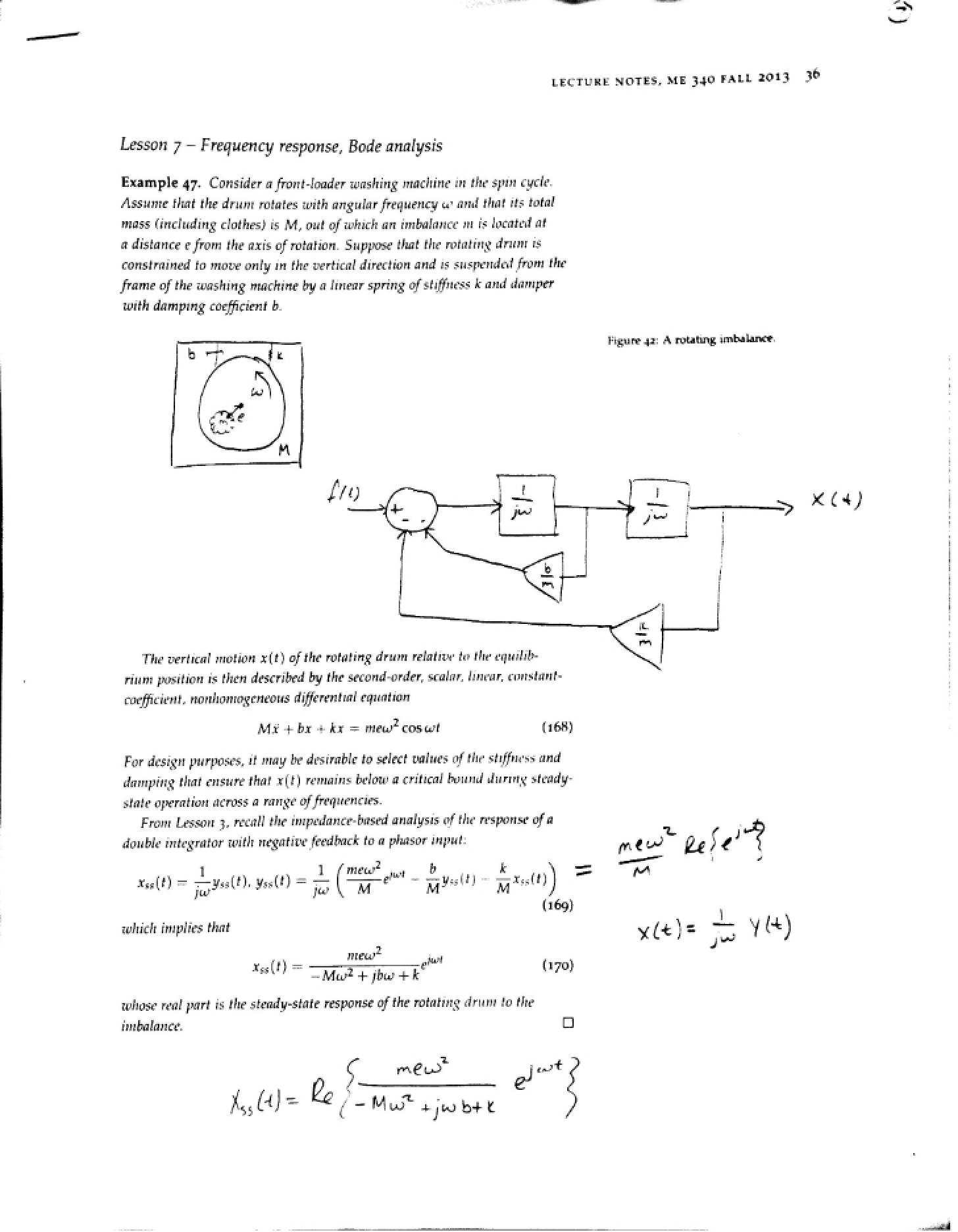
* A detailed examination of transfer functions for systems with feedback.
* An exploration of the concept of “poles” and their significance in system behavior.
* Discussion of different system response characteristics.
* Analysis of the relationship between system parameters and response types.
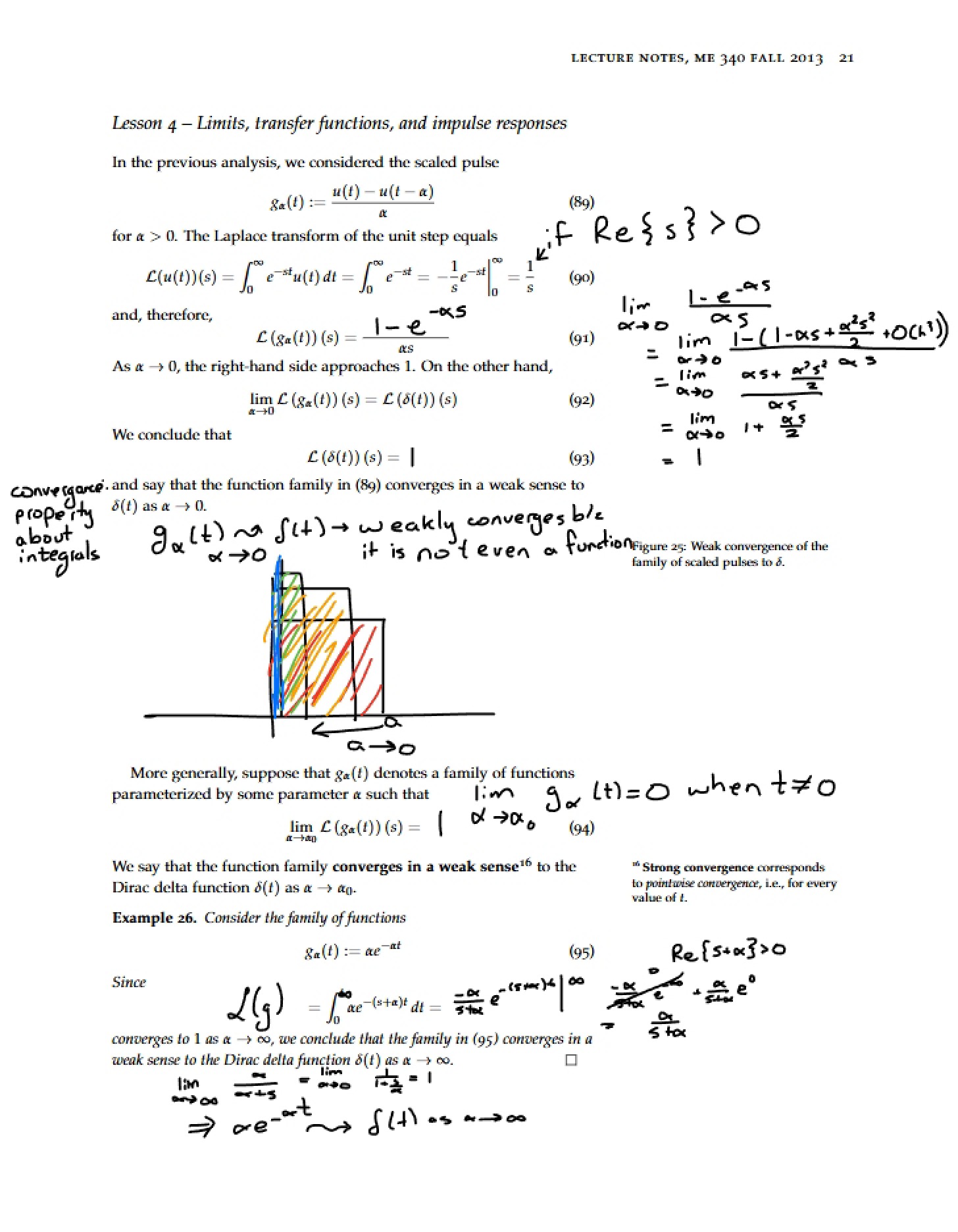
* An introduction to the distributional derivative and its connection to impulse responses.
* Illustrative examples demonstrating the application of these concepts to various system configurations.