What This Document Is
This material represents the foundational lecture notes from the first session of ME 340: Dynamics of Mechanical Systems, offered at the University of Illinois at Urbana-Champaign. It introduces core concepts essential to understanding how mechanical systems behave over time. The notes lay the groundwork for analyzing systems that respond to forces and inputs, focusing on the signals that characterize their operation. It’s a theoretical starting point, establishing a vocabulary and framework for more complex analyses later in the course.
Why This Document Matters
These notes are crucial for students beginning their study of dynamics. They are particularly beneficial for those who prefer a detailed, written accompaniment to lectures, or those needing a refresher on fundamental principles. This resource is most valuable when used *in conjunction* with attending lectures and completing assigned readings from the course textbook. It’s ideal for initial review before tackling problem sets, or for clarifying concepts that require a more in-depth explanation than provided in class. Students who solidify these initial concepts will find subsequent topics in vibration, controls, and robotics much more accessible.
Common Limitations or Challenges
This document provides a starting point and does *not* contain fully worked examples or detailed derivations of all presented concepts. It’s designed to supplement, not replace, active participation in the course. The notes are a partial record of the lecture and do not include all classroom discussions or spontaneous explanations. Furthermore, it assumes a foundational understanding of calculus and basic physics principles. Access to the complete set of lecture notes and the course textbook is necessary for a comprehensive understanding of the material.
What This Document Provides
* An introduction to the definition of a dynamic system and its core components.
* A discussion of different system classifications based on input/output relationships.
* Initial exploration of fundamental signal types relevant to dynamic systems.
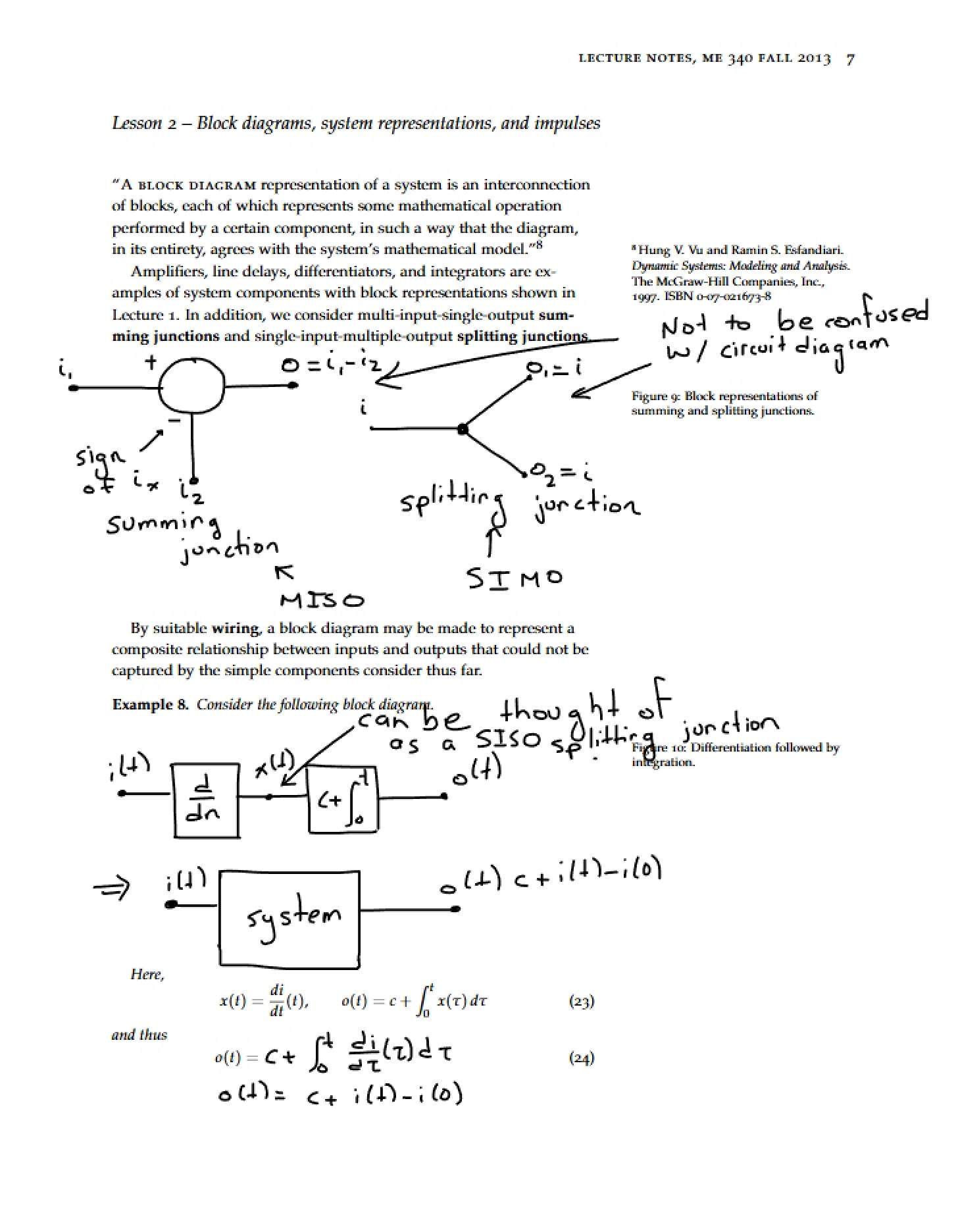
* A preliminary look at how components process and modify signals.
* A foundation for understanding harmonic signals and their properties.
* An overview of the relationship between signals and their mathematical representation.