What This Document Is
This is a comprehensive study guide designed to help students prepare for the final examination in EXSC 223: Anatomy-Physiology I at the University of South Carolina. It consolidates key concepts from the entire semester, with a particular focus on recently covered material. The guide is structured to facilitate focused review and efficient exam preparation. It aims to help students synthesize information and identify areas needing further attention.
Why This Document Matters
This study guide is an invaluable resource for any student enrolled in EXSC 223 seeking to maximize their performance on the final exam. It’s particularly useful during the crucial study period leading up to the test, offering a structured approach to reviewing a large volume of material. Students who utilize this guide can expect to feel more confident and prepared, leading to reduced test anxiety and improved understanding of core anatomical and physiological principles. It’s best used *after* completing coursework and attending lectures, as a tool for consolidation and self-assessment.
Common Limitations or Challenges
This study guide is intended as a *supplement* to your existing course materials – lectures, textbooks, and lab activities. It does *not* replace the need for thorough engagement with those resources. The guide highlights key areas of focus, but it does not provide exhaustive explanations of every concept. It also doesn’t include practice questions or detailed worked examples. Access to the full guide is required to reveal the specific details and nuances of each topic.
What This Document Provides
* A clear breakdown of the exam’s content weighting, differentiating between new and comprehensive material.
* A detailed list of specific chapters and sections covered on the exam.
* Focused learning objectives for the newer material, outlining key distinctions and relationships between concepts.
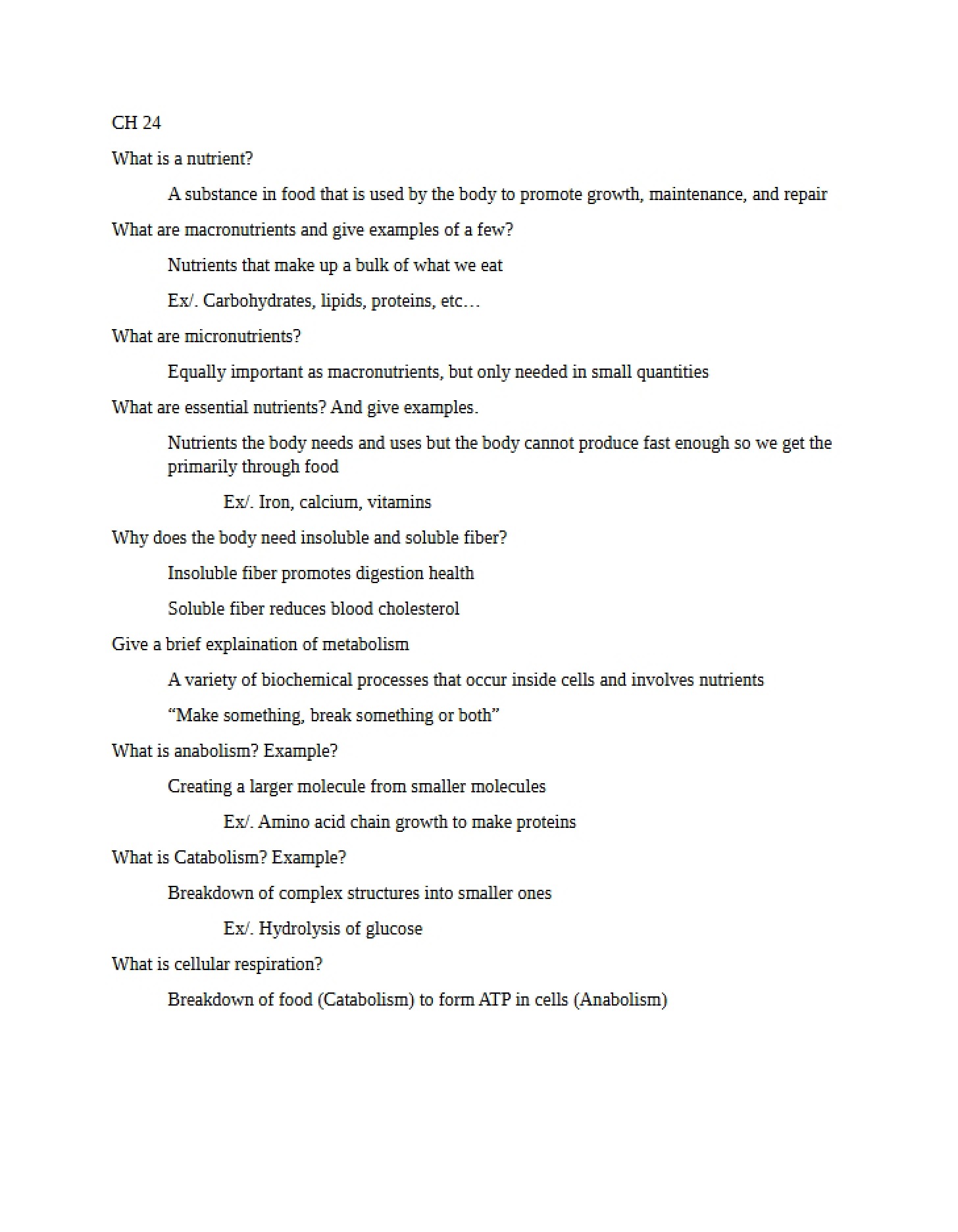
* Categorization of essential nutrients (carbohydrates, lipids, proteins, vitamins, and minerals).
* Guidance on understanding metabolic processes and nutritional balance.
* An overview of the functions and importance of various vitamins and minerals for maintaining health.
* Identification of key areas related to bodily functions and their regulation.