What This Document Is
This document presents in-depth explorations of core concepts within introductory psychology, specifically focusing on the application of major theoretical perspectives to real-world scenarios. It utilizes a case study approach to illustrate how different schools of thought – including behavioral, humanistic, and cognitive psychology – analyze and propose solutions for psychological challenges. The material also delves into experimental design principles, examining the importance of controlled research methodologies.
Why This Document Matters
This resource is ideal for students enrolled in introductory psychology courses (like PSY 1001) seeking a deeper understanding of how theoretical frameworks translate into practical applications. It’s particularly beneficial when preparing for coursework involving case analysis, research methods, or comparative psychology. Students who are grappling with understanding the nuances between different psychological approaches will find this a valuable study aid. It can be used to supplement lectures, textbook readings, and class discussions, helping to solidify comprehension of complex topics.
Common Limitations or Challenges
This material does not offer a comprehensive overview of *all* psychological perspectives. It focuses specifically on a comparative analysis of three key approaches. Furthermore, while it introduces experimental design, it does not provide a complete guide to statistical analysis or advanced research techniques. It’s designed to enhance understanding, not to replace core course materials or independent study. It does not include practice questions or direct answers to assignments.
What This Document Provides
* Detailed comparisons of the behavioral, humanistic, and cognitive approaches to understanding psychological issues.
* Illustrative case studies demonstrating the application of these approaches.
* Discussion of the evolution and current standing of these perspectives within the field of psychology.
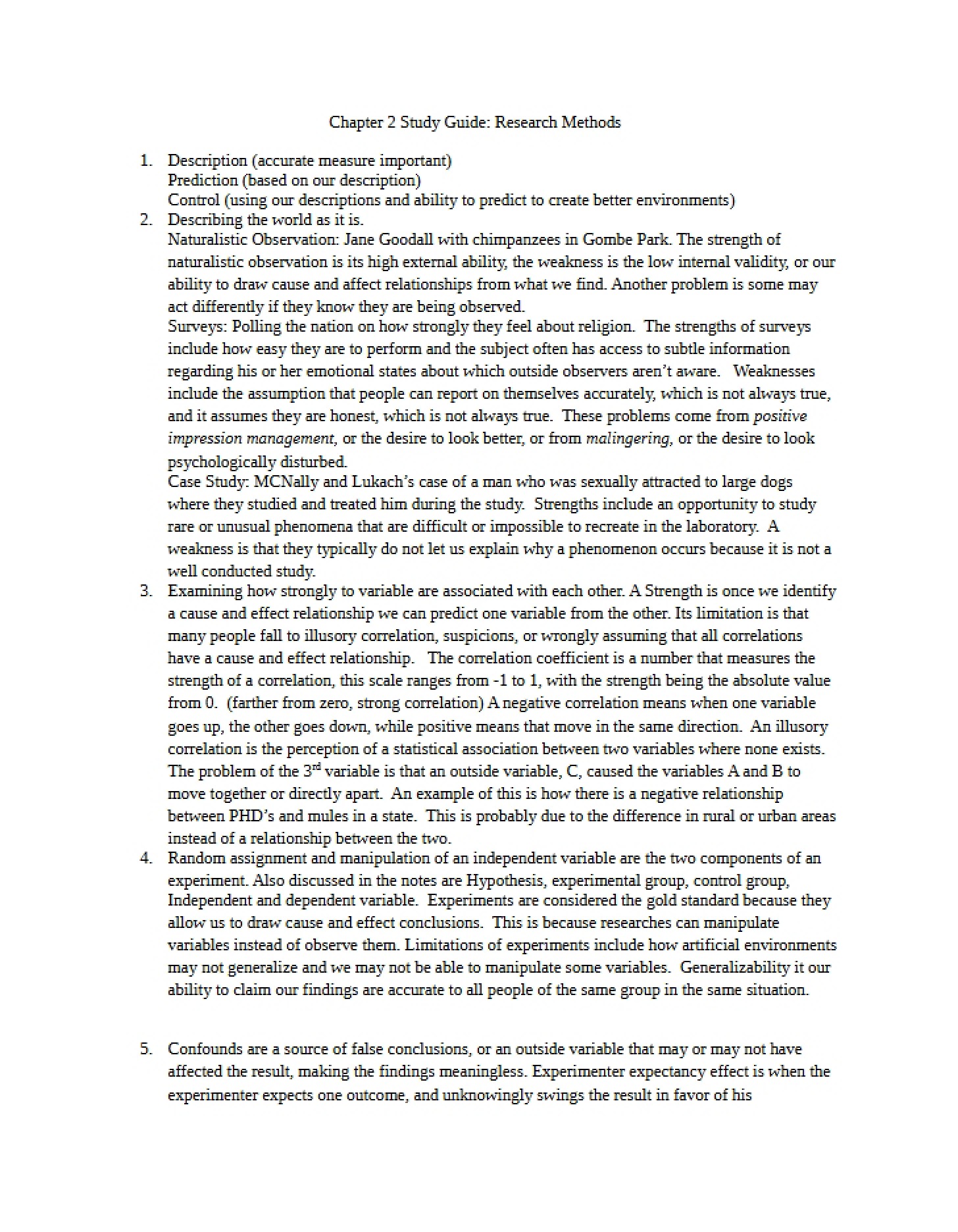
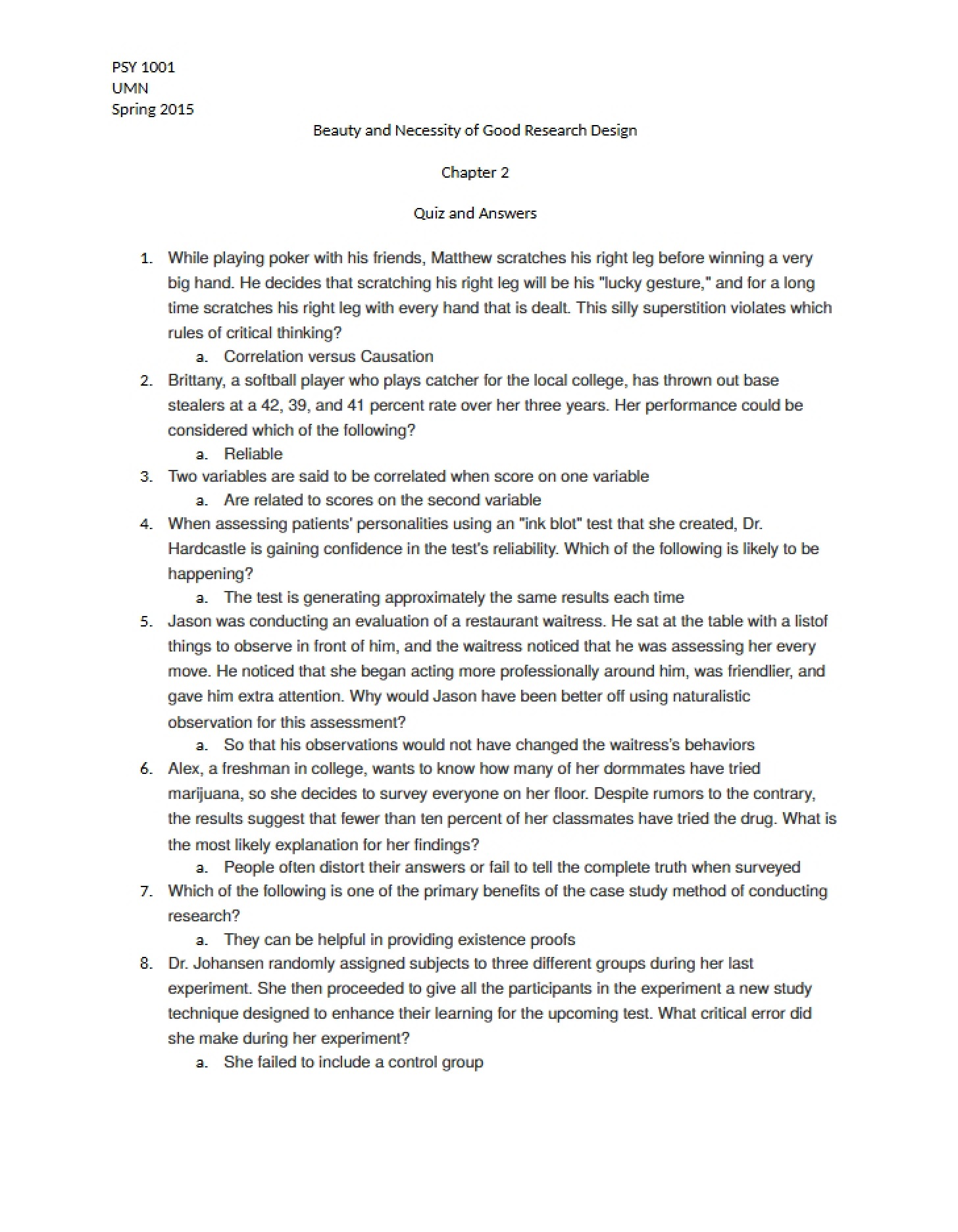
* An examination of the critical role of control conditions in experimental research.
* Considerations for subject assignment and experimental design to ensure valid results.