What This Document Is
This document is a first examination for SOC 373: Social Stratification, offered at the University of Illinois at Urbana-Champaign. It assesses understanding of core concepts and foundational theories related to the study of social inequality, hierarchies, and systems of social differentiation. The exam focuses on applying theoretical frameworks to understand real-world patterns of advantage and disadvantage.
Why This Document Matters
This resource is invaluable for students currently enrolled in a social stratification course, or those preparing for similar examinations in sociology or related fields. It’s particularly useful for self-assessment *before* a formal exam setting, allowing you to identify areas where further study is needed. Understanding the material covered in this exam is crucial for anyone seeking a comprehensive grasp of how societies are structured and how inequality impacts individuals and groups. It’s best utilized *after* completing assigned readings and lectures, as a way to consolidate your knowledge.
Common Limitations or Challenges
This document represents a single assessment point within a larger course. It does not provide comprehensive instruction on the topics covered, nor does it substitute for active participation in class discussions or completion of assigned readings. It is a test of *your* understanding, and therefore won’t contain explanations or detailed breakdowns of concepts. Access to the full document is required to view the specific questions and demonstrate your mastery of the course material.
What This Document Provides
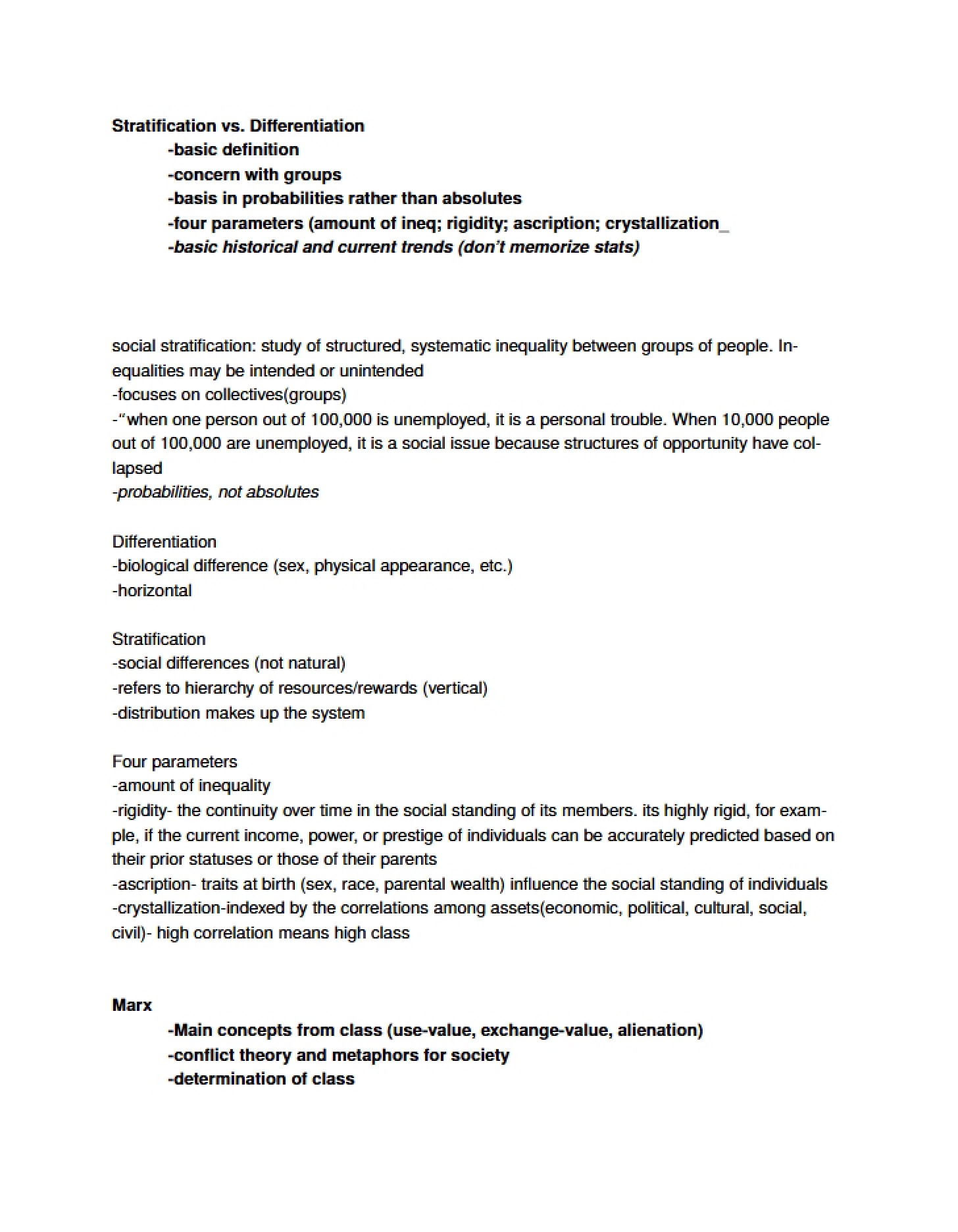
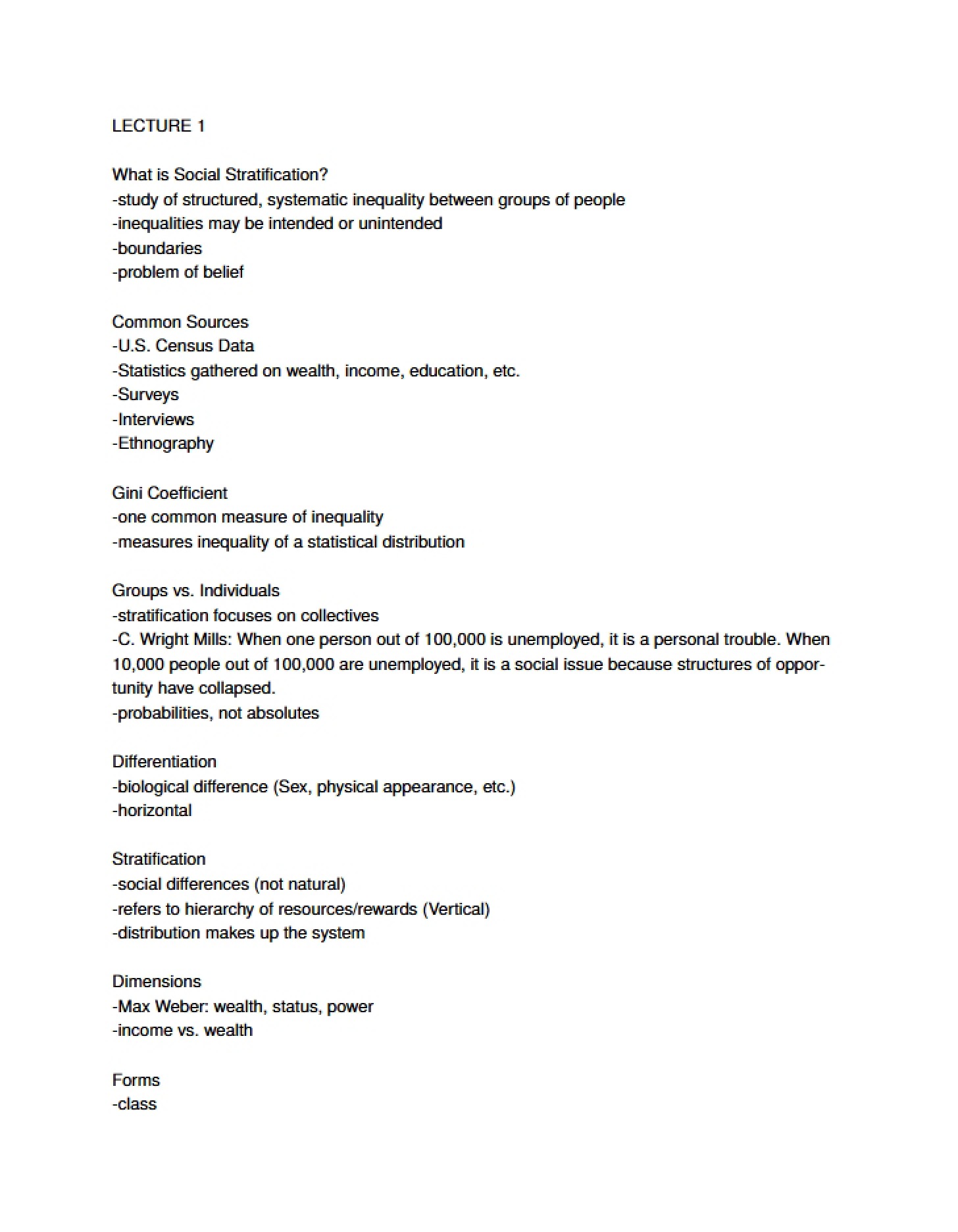
* Coverage of foundational concepts distinguishing stratification from differentiation.
* Examination of classical sociological perspectives on inequality, including the work of Karl Marx and Max Weber.
* Assessment of understanding regarding the parameters used to measure and analyze stratification systems.
* Exploration of the structure of social classes within the American context.
* Evaluation of theories surrounding poverty and its causes.
* Analysis of the concept of social status and its relationship to socioeconomic factors.
* Questions relating to models of status attainment and occupational structures.