What This Document Is
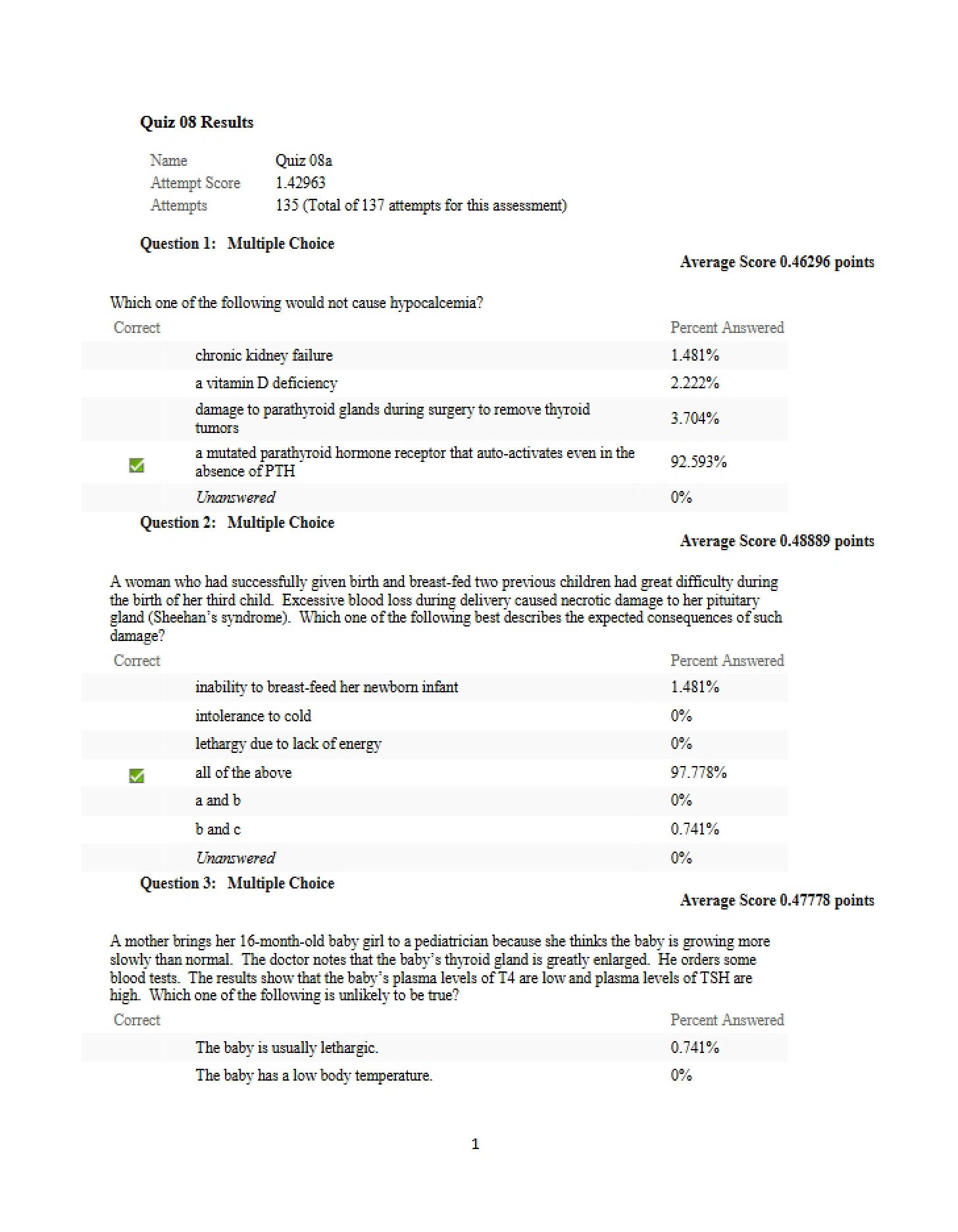
This document is a previously administered exam, specifically the first exam from a General Physiology course (BISC 307) at the University of Southern California, from the Spring 2012 semester. It’s designed to assess understanding of core physiological principles covered early in the course. The document includes questions formatted in multiple choice and short answer styles, requiring both recall and application of foundational concepts. It represents a realistic sample of the types of questions students can expect on assessments within this physiology curriculum.
Why This Document Matters
This resource is invaluable for students currently enrolled in or preparing for a General Physiology course. It’s particularly useful for self-assessment, identifying knowledge gaps, and familiarizing yourself with the exam format and question style employed by the instructor. Studying past exams can help refine test-taking strategies and build confidence before a high-stakes assessment. It’s best utilized *after* initial study of course materials – think of it as a checkpoint to gauge your preparedness.
Common Limitations or Challenges
While this exam provides a strong indication of the course’s assessment style, it’s important to remember that course content and emphasis can evolve. This exam reflects the material covered in Spring 2012 and may not perfectly align with the current curriculum. Furthermore, this document *only* contains the exam questions and associated answers; it does not include explanatory material or detailed solutions. It’s a tool for testing knowledge, not for learning new concepts.
What This Document Provides
* A range of question types commonly found in physiology exams.
* Questions covering fundamental physiological concepts.
* Insight into the level of detail expected in answers.
* Examples of how core principles are applied in problem-solving scenarios.
* A representative sample of the exam’s length and structure.
* Questions relating to homeostasis, cellular transport, and genetic diseases.