What This Document Is
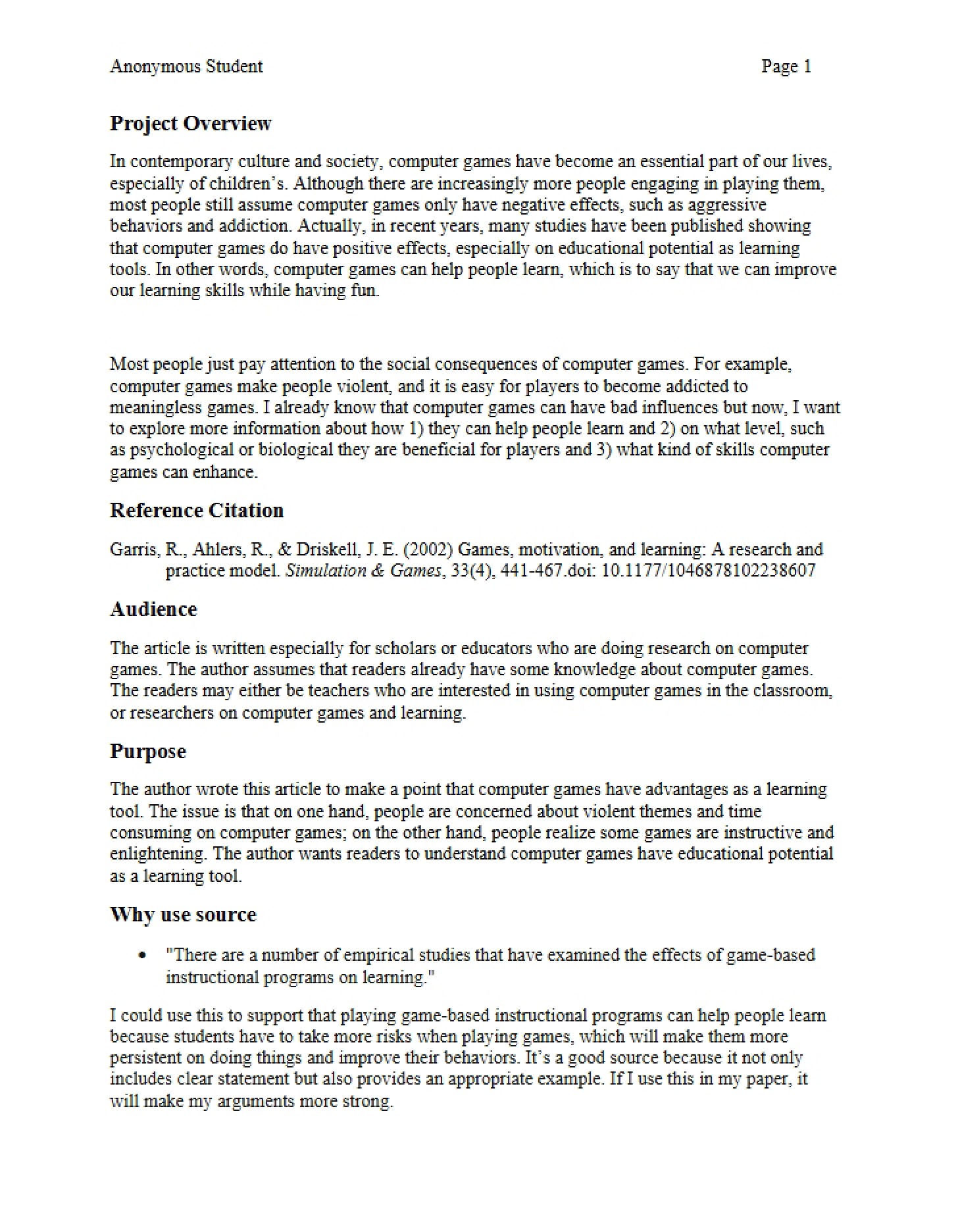
This resource is a guide to crafting effective summaries, specifically geared towards academic writing at the university level. It delves into the concept of “focused summarization,” moving beyond simply condensing information to strategically presenting it with a particular purpose in mind. It appears to be based on coursework from WRIT 1301 at the University of Minnesota Twin Cities, and includes materials related to a specific assignment debrief. The material explores how to distill complex ideas into concise representations, but with an emphasis on tailoring those representations to support a larger argument or analytical goal.
Why This Document Matters
Students enrolled in university writing courses – and anyone needing to synthesize information for research papers, reports, or presentations – will find this particularly valuable. If you struggle with identifying the *most* important information within a source, or if you’re unsure how to present a summary that actively contributes to your own analysis, this resource can help. It’s especially useful when you need to demonstrate understanding of source material *and* show how that material supports your unique perspective. Mastering focused summarization is a core skill for academic success and beyond.
Common Limitations or Challenges
This resource focuses on the *principles* and *application* of focused summarization. It will not provide pre-written summaries or templates. It also doesn’t offer a comprehensive guide to all types of academic writing; its scope is specifically centered on the summarization process. While an assignment debrief is included, it doesn’t contain the original assignment prompt or student examples. It assumes a basic understanding of what a summary *is* and builds from there, focusing on refinement and strategic implementation.
What This Document Provides
* Exploration of the core purpose behind summarizing another’s work.
* Discussion of key characteristics of a strong, focused summary.
* Guidance on maintaining a clear focus while condensing information.
* Materials from an assignment debriefing, offering insights into common challenges and areas for improvement.
* Prompts for brainstorming alternative approaches to focused summarization.
* Context for a “comparative summary essay” assignment.