What This Document Is
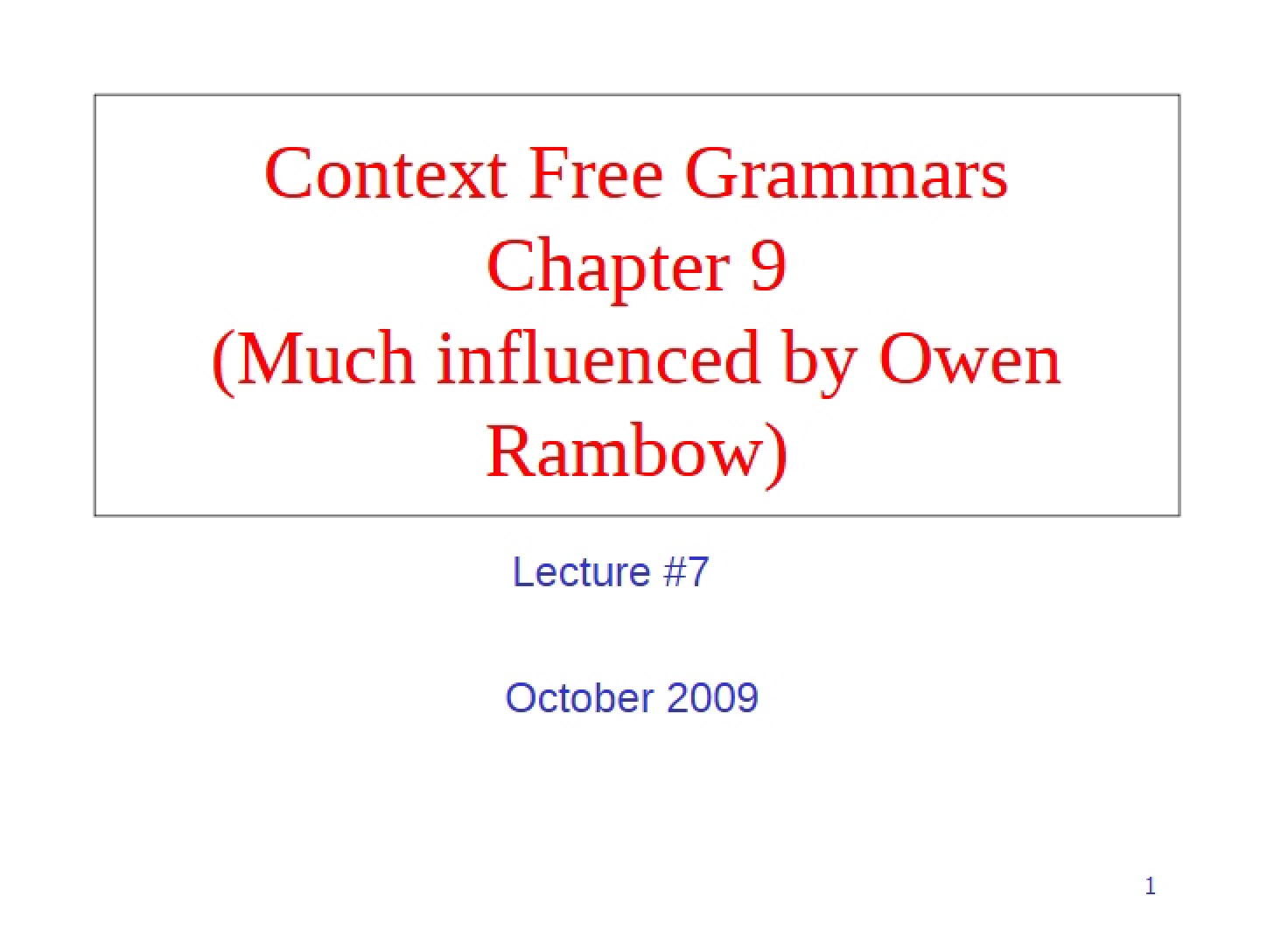
This document provides a focused exploration of Context Free Grammars, a core concept within the field of Natural Language Processing. It delves into the foundational principles of syntax – the arrangement of words and phrases to create meaningful sentences – and how these principles can be formally represented. This material is drawn from the CISC 882 course at the University of Delaware, offering a rigorous academic perspective on the subject. It builds upon established linguistic theory and its intersection with computational approaches to language.
Why This Document Matters
This resource is ideal for students enrolled in Natural Language Processing courses, computational linguistics programs, or anyone seeking a deeper understanding of how language structure is formalized. It’s particularly beneficial when you’re grappling with the theoretical underpinnings of parsing, language modeling, and other NLP tasks that rely on a solid grasp of grammatical structures. It serves as a valuable companion to lectures and practical exercises, helping to solidify your understanding of these complex ideas. Accessing the full content will unlock a detailed exploration of these concepts.
Topics Covered
* The fundamental principles of syntax and constituency.
* The relationship between formal language theory and linguistic analysis.
* Exploring the concept of grammaticality and its formal properties.
* Methods for representing linguistic structure.
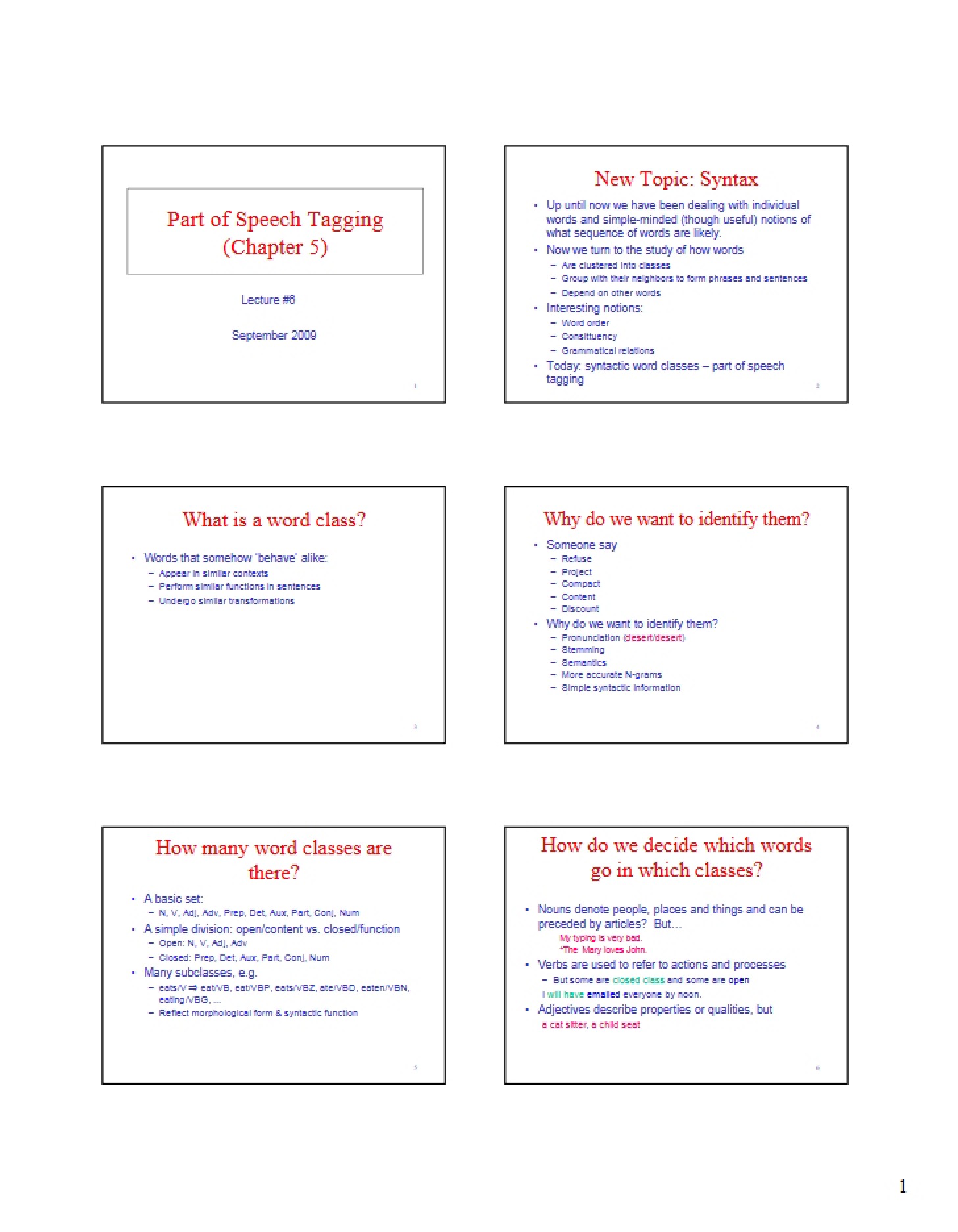
* The role of part-of-speech tagging and phrase structure.
* Distinctions between descriptive and prescriptive approaches to syntax.
What This Document Provides
* A detailed examination of how words combine to form larger units of meaning.
* Insights into the theoretical frameworks used to analyze sentence structure.
* A foundation for understanding the formal representation of language.
* Exploration of the connection between linguistic structure and computational models.
* A basis for further study in areas like parsing and semantic analysis.