What This Document Is
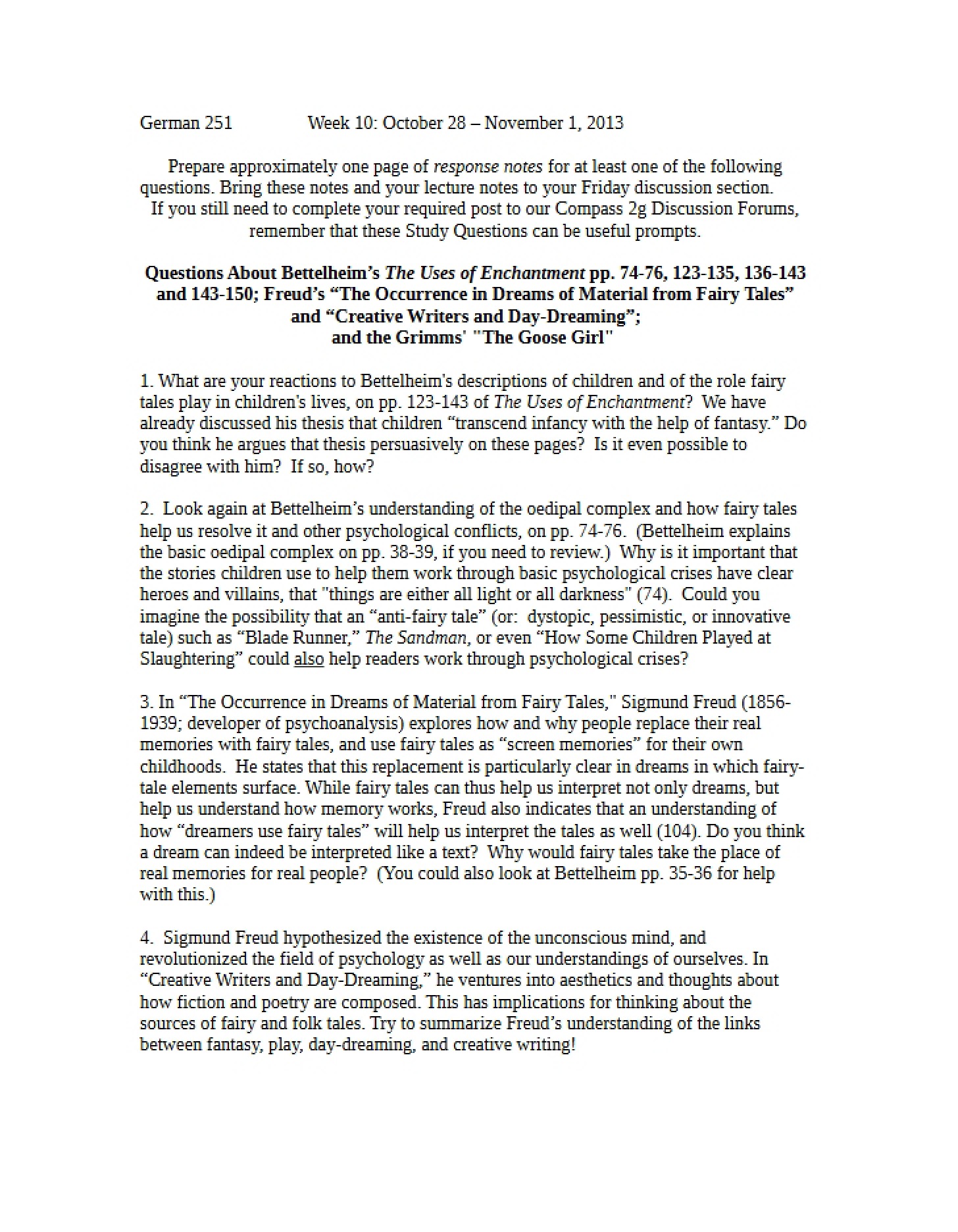
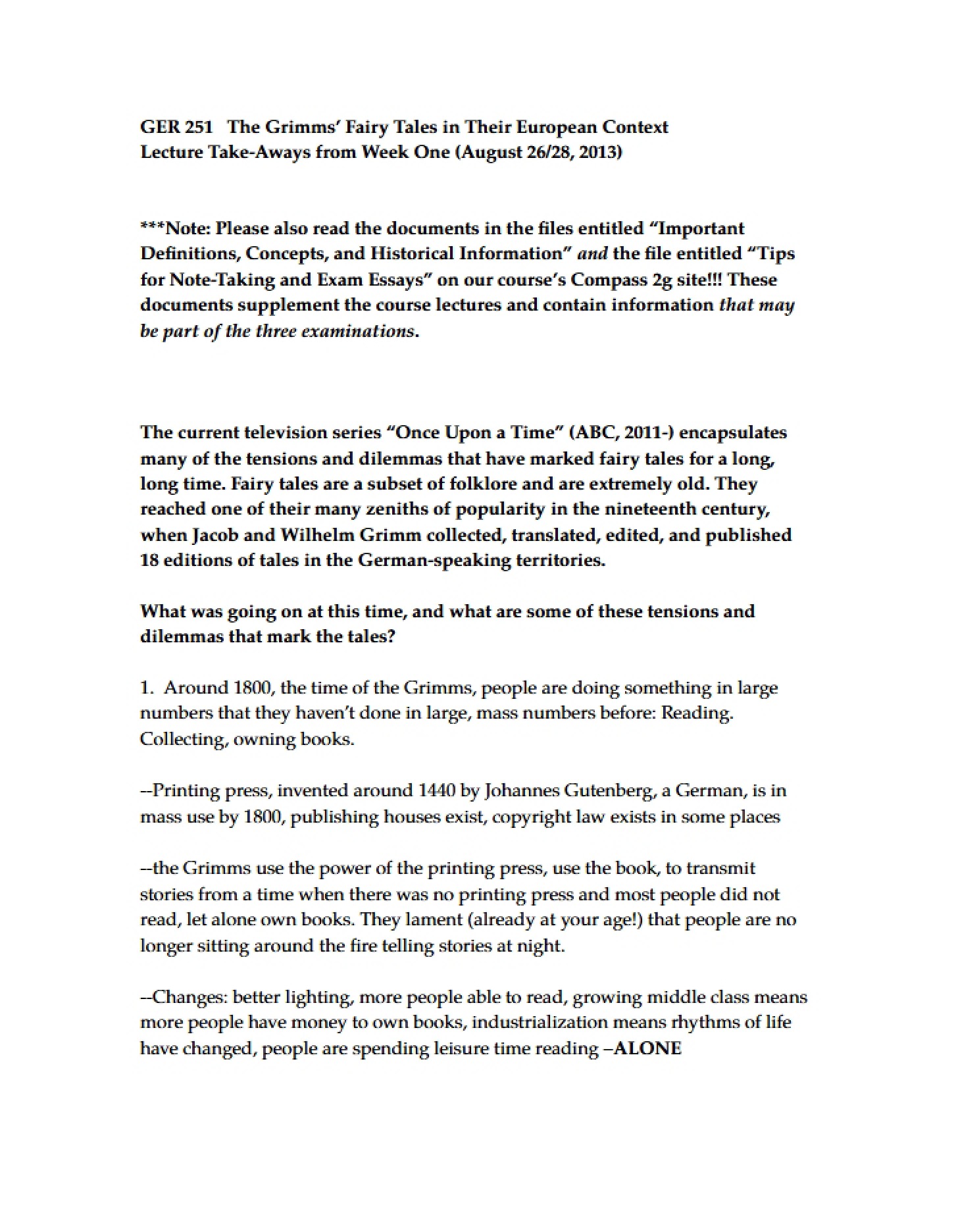
This study guide delves into a specific segment of GER 250, “Grimm’s Fairy Tales In Context,” focusing on the complex relationship between the tales and historical socio-political forces. It examines how seemingly fantastical narratives can reflect, reinforce, and even propagate prevailing societal biases and prejudices. This resource offers a focused exploration of particular stories within the Grimm’s collection, analyzing them not as simple children’s entertainment, but as cultural artifacts embedded within a specific historical moment.
Why This Document Matters
Students enrolled in GER 250 will find this guide particularly useful when preparing for in-depth discussions and analytical assignments. It’s ideal for those seeking a deeper understanding of the historical context surrounding the Grimm’s tales and the potential for these stories to function as vehicles for ideological messaging. This resource is best utilized while studying the assigned readings and preparing to contribute to class debates about the tales’ enduring impact.
Topics Covered
* The interplay between historical narrative and literary representation.
* The potential for folklore to reflect and perpetuate societal prejudices.
* Historical context of Jewish life in Europe during the time the Grimms were collecting tales.
* Examination of specific motifs and themes within selected Grimm’s fairy tales.
* The evolution of anti-Semitic tropes and their manifestation in cultural narratives.
* The socio-political climate of 19th and 20th century Germany and its impact on perceptions of Jewish identity.
What This Document Provides
* A focused analysis of selected tales and their potential connections to historical events.
* Exploration of key concepts related to prejudice and cultural representation.
* Discussion points regarding the interpretation of symbolism and character archetypes.
* Historical background on the development of specific anti-Semitic beliefs.
* A framework for understanding the power of storytelling to influence perceptions and beliefs.