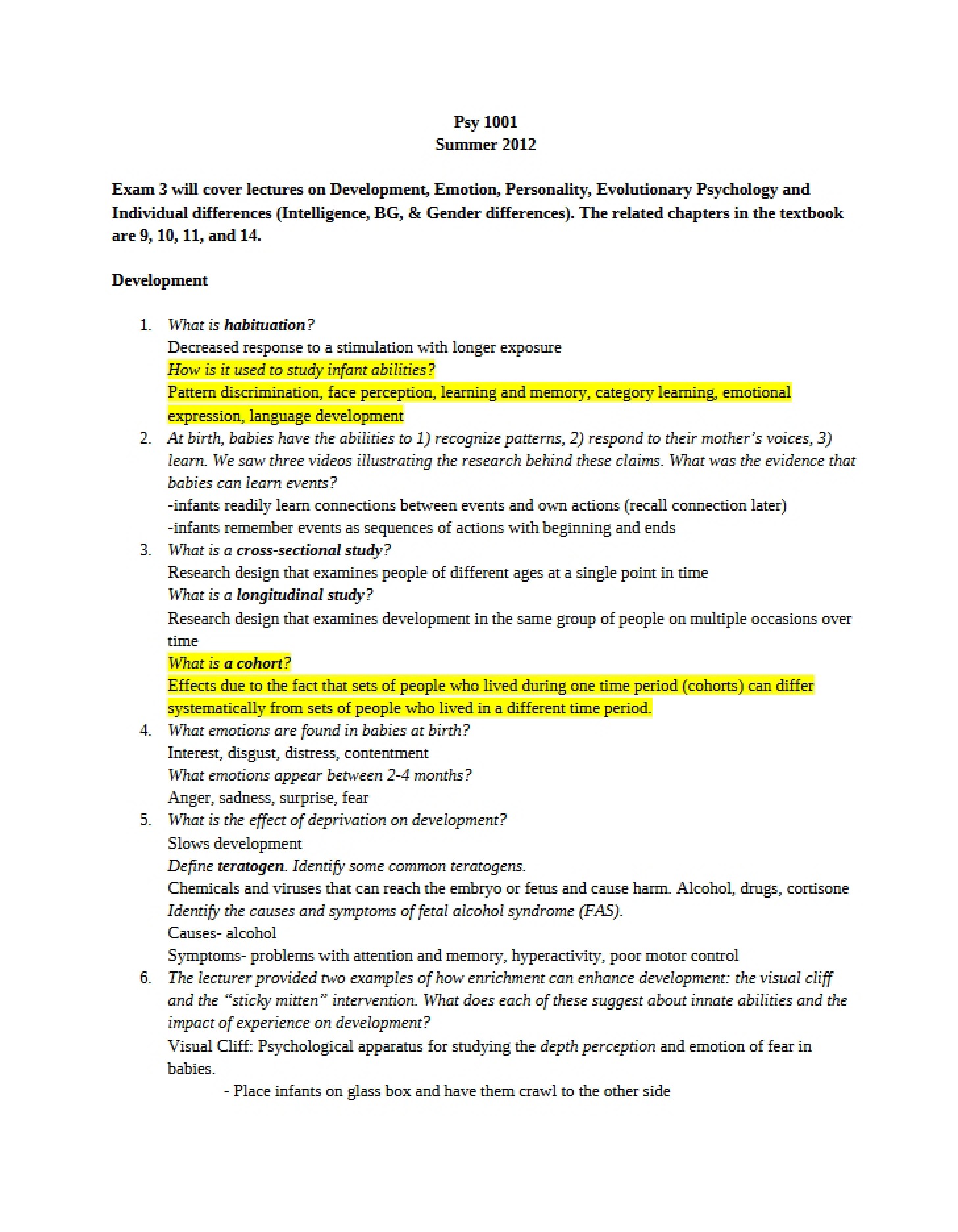
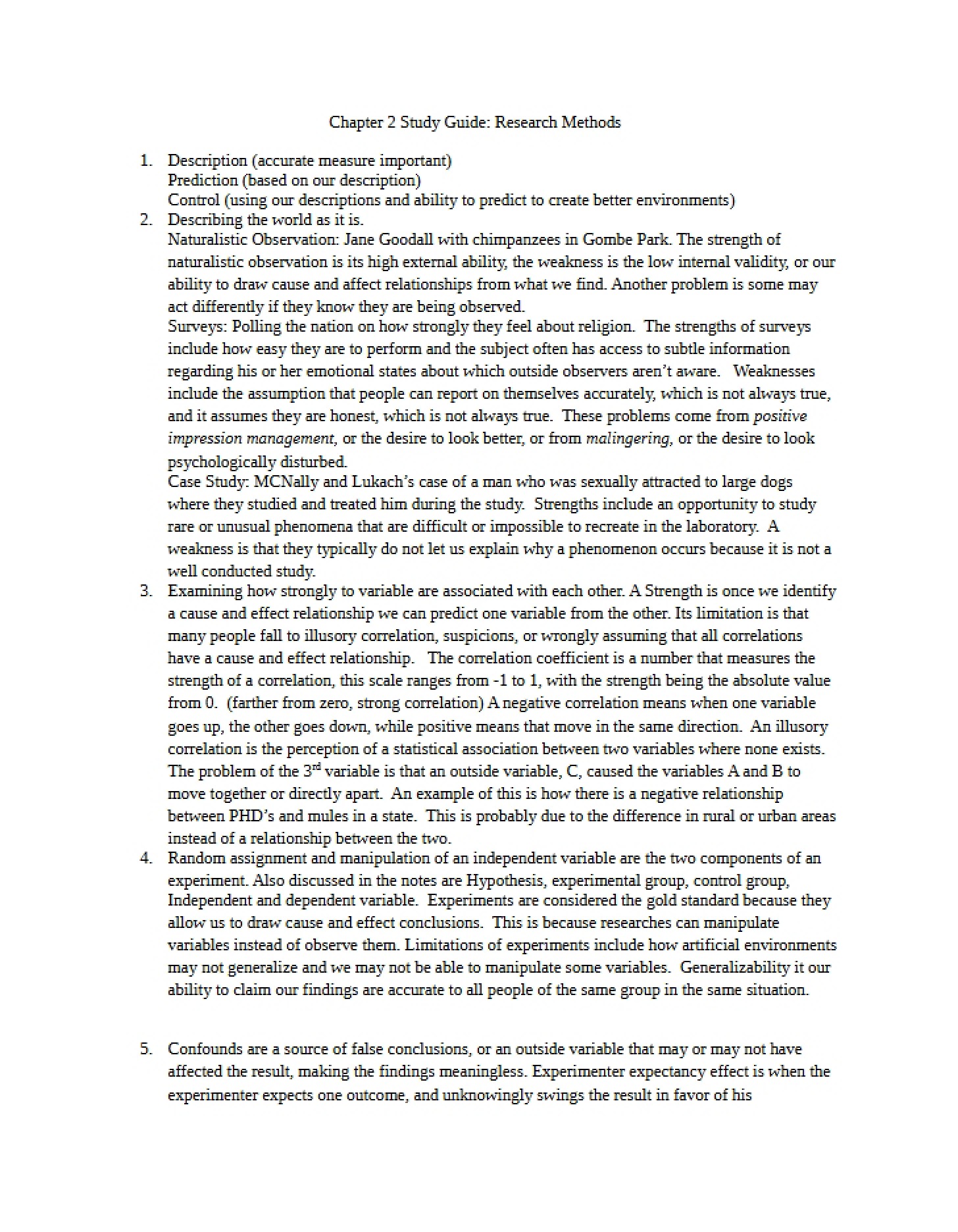
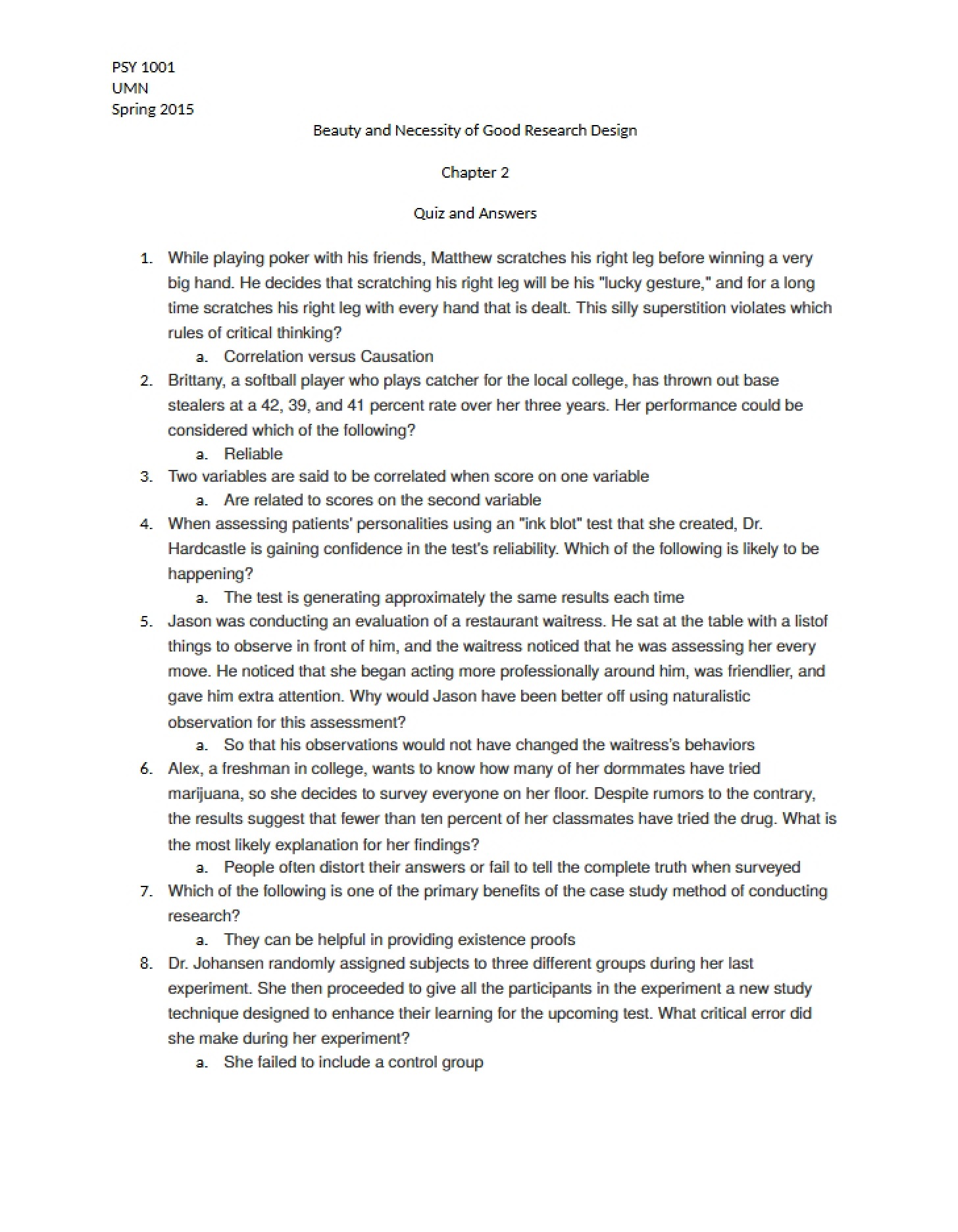
What This Document Is
This resource is a comprehensive study guide designed to support students enrolled in an introductory psychology course, specifically focusing on the principles of social psychology. It delves into the core concepts surrounding how individuals perceive, interpret, and react to the social world around them. The guide aims to provide a structured overview of key theories and research findings within this fascinating subfield of psychology.
Why This Document Matters
This study guide is an invaluable tool for students preparing for exams, quizzes, or simply seeking a deeper understanding of social psychological principles. It’s particularly helpful for those who benefit from a consolidated resource that highlights essential topics and provides a framework for effective learning. Students who struggle with applying psychological concepts to real-world scenarios will find this guide especially useful as it explores the practical implications of social cognition. It’s best used *in conjunction* with course lectures and assigned readings to maximize comprehension.
Common Limitations or Challenges
This guide is intended to *supplement* – not replace – core course materials. It does not contain the full text of textbook chapters or lecture notes. It will not provide step-by-step solutions to problems or detailed analyses of specific research studies. The guide focuses on outlining key concepts and their relationships, but independent study and critical thinking are still required for complete mastery of the subject matter. It assumes a basic familiarity with general psychological terminology.
What This Document Provides
* An overview of foundational theories in social cognition.
* Key distinctions between different types of cognitive processing.
* Explanations of common biases in social perception and attribution.
* A discussion of the factors influencing social influence and persuasion.
* Exploration of the interplay between dispositional and situational factors in behavior.
* Insights into the complexities of automatic versus controlled thought processes.
* An introduction to the concepts of direct and indirect social influence.