What This Document Is
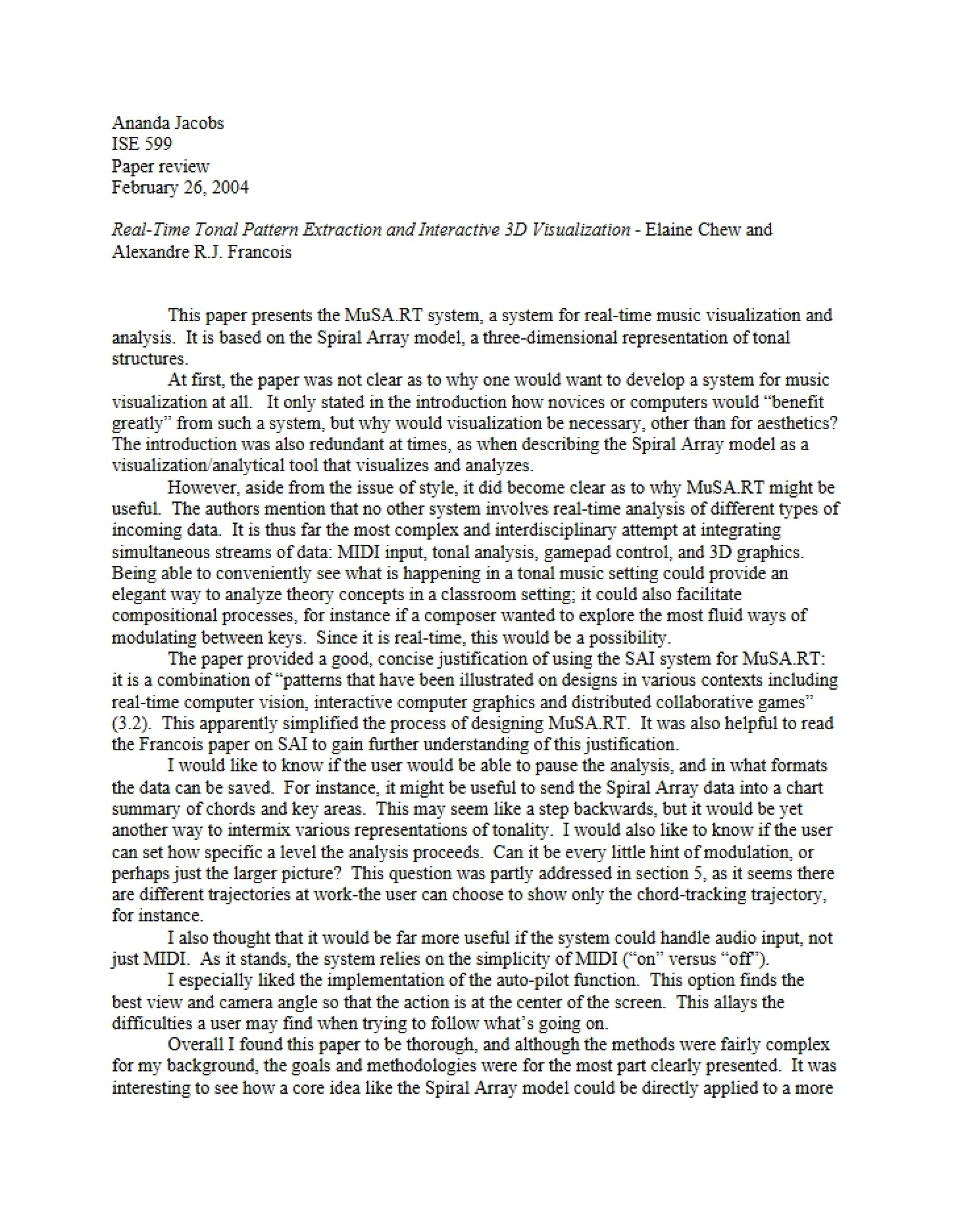
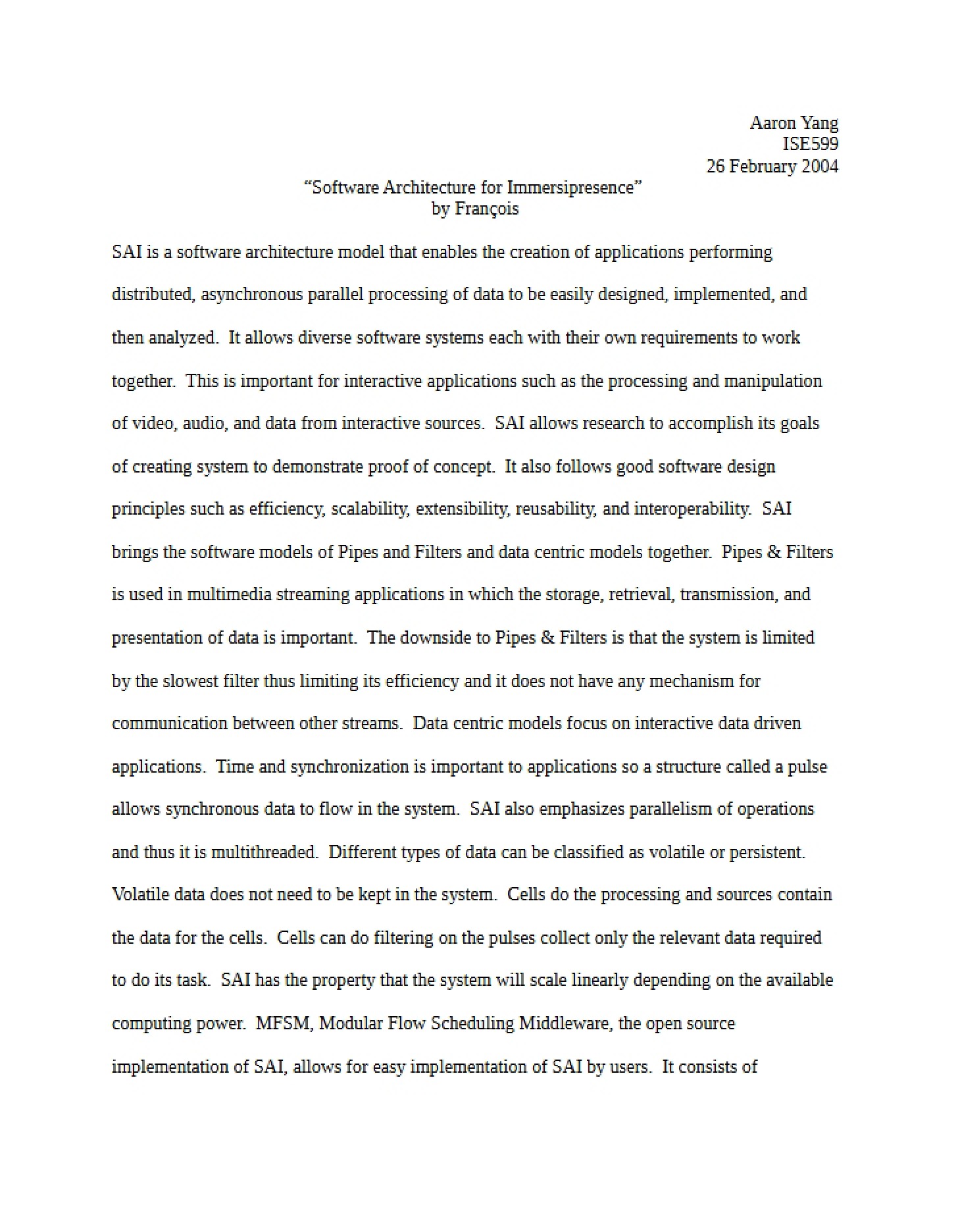
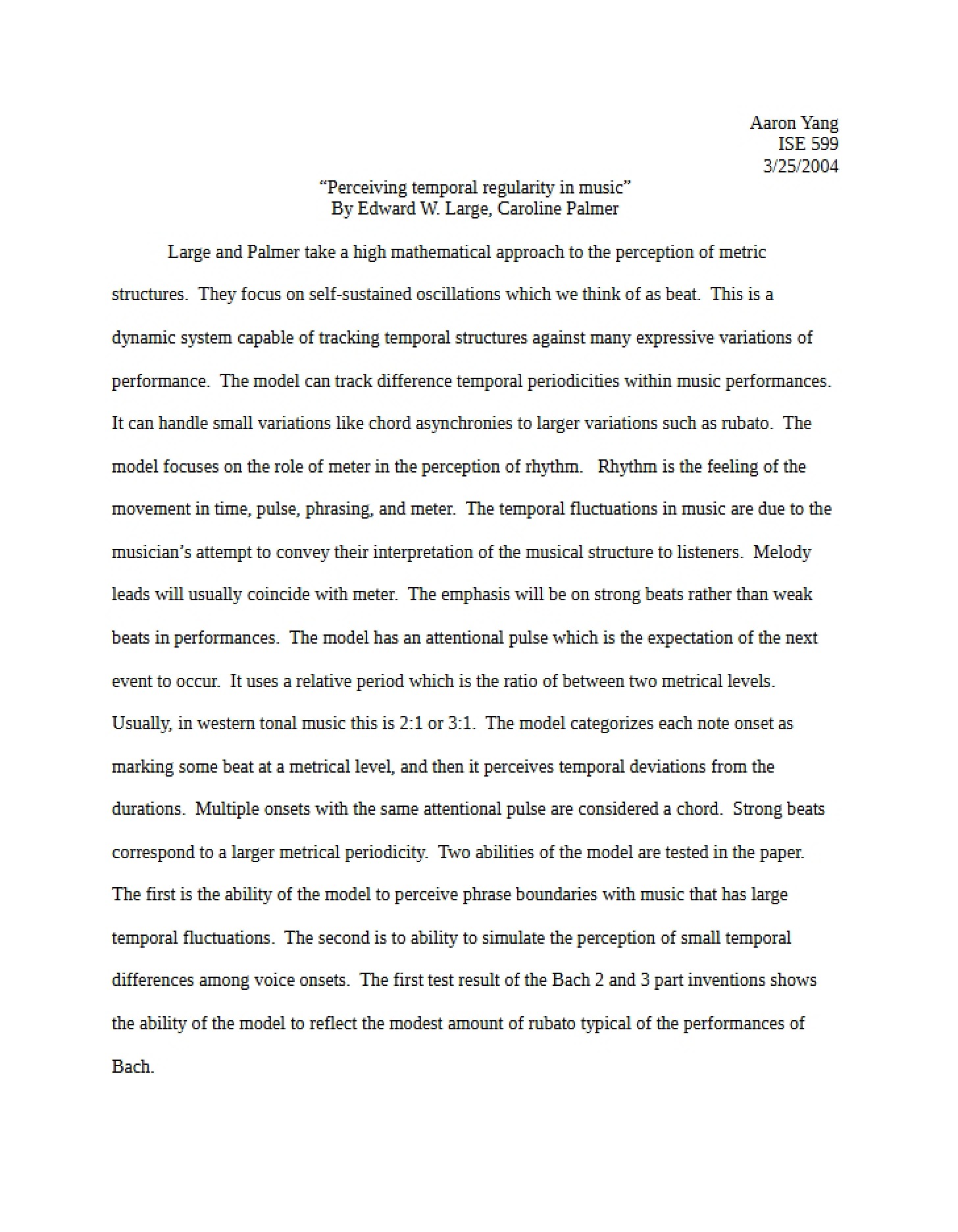
This document is a focused review and analysis of a scholarly paper concerning computational approaches to music theory, specifically as applied to the works of Johann Sebastian Bach. It represents a student’s in-depth engagement with complex academic material from a graduate-level course at the University of Southern California (ISE 599 – Special Topics). The review critically examines algorithms proposed for understanding musical structure, delving into concepts of meter and key determination. It’s a detailed, academic exploration, not a general overview of music theory.
Why This Document Matters
Students and researchers interested in the intersection of computer science, musicology, and cognitive science will find this review particularly valuable. It’s ideal for those seeking to understand how computational methods can be applied to the analysis of complex musical compositions. Individuals studying algorithmic analysis, pattern recognition, or the challenges of representing musical knowledge will benefit from the insights presented. This resource is especially useful when researching historical approaches to computational musicology and understanding the evolution of these techniques.
Common Limitations or Challenges
This review is a *specific* interpretation of a single research paper. It does not offer a comprehensive survey of all computational musicology techniques, nor does it provide a complete tutorial on music theory itself. The analysis is centered on the strengths and weaknesses of a particular algorithm and its application to Bach’s fugues; it doesn’t cover other composers or musical styles. It’s important to remember this is a student’s perspective and critical assessment, not a definitive statement on the subject matter.
What This Document Provides
* A critical assessment of a musical parsing algorithm focused on meter and key.
* Discussion of the “rule of congruence” as a foundational concept in musical perception.
* Analysis of a 2-dimensional grid representation for visualizing musical keys and semitones.
* Examination of the challenges in applying computational methods to complex musical structures.
* Insight into the limitations of early algorithms in the field of computational musicology.