What This Document Is
This resource is a focused exploration of hierarchical scales within the universe, designed to help students grasp the immense differences in size and distance between celestial objects. It delves into the organization of cosmic structures, moving from our immediate surroundings – planets and solar systems – to larger groupings like galaxies, clusters, and superclusters. The material presents a framework for understanding the relative positioning and magnitudes of objects studied in astronomy and cosmology.
Why This Document Matters
Students enrolled in introductory astronomy courses, particularly those grappling with the vastness of space, will find this particularly useful. It’s ideal for reinforcing lectures on the structure of the universe and building a foundational understanding before tackling more complex topics like galactic evolution or cosmological distances. Anyone preparing to visualize the scale of the cosmos, or needing a reference for comparative sizes, will benefit from the concepts presented within.
Topics Covered
* Planetary Systems and Stellar Structures
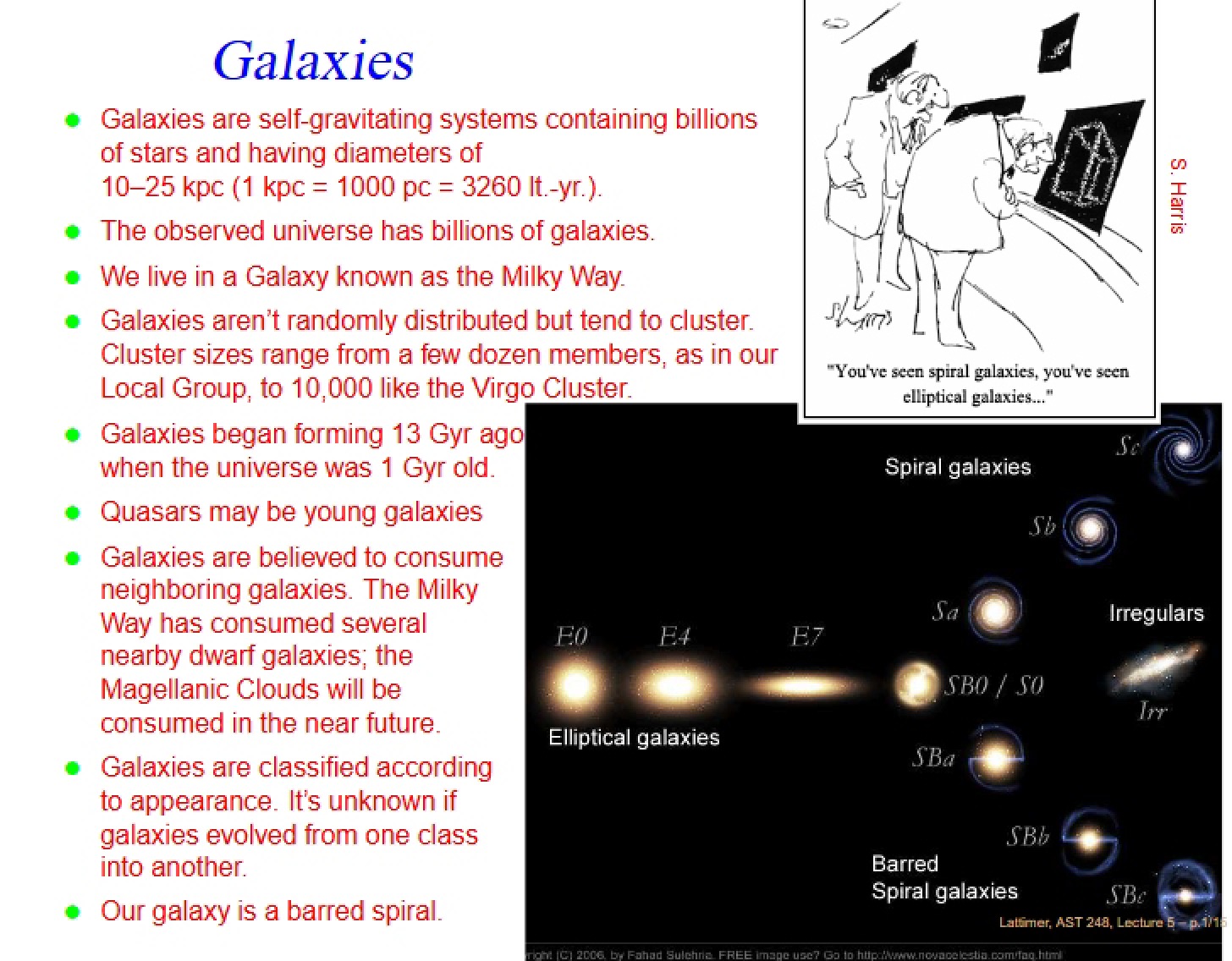
* Galactic Organization: Groups, Clusters, and Superclusters
* Units of Astronomical Measurement (AU, Light Years, Parsecs)
* Techniques for Conceptualizing Large Numbers and Distances
* Relative Sizes and Distances within the Solar System
* Scaling the Universe to Understandable Proportions
What This Document Provides
* A structured overview of cosmic hierarchies, from planets to superclusters.
* Comparative data relating to the sizes and distances of various astronomical objects.
* Methods for relating astronomical scales to everyday experiences.
* A foundation for understanding the challenges of interstellar and intergalactic travel.
* A resource to aid in visualizing the immense scale of the universe.