What This Document Is
This study guide delves into the historical foundations of leisure, tracing its evolving meanings and societal roles across several significant civilizations. It examines how different cultures – from Ancient Egypt and Greece to Rome and the Middle Ages – conceptualized and practiced leisure, and how these practices were shaped by social structures, religious beliefs, and political considerations. The guide focuses on understanding leisure not as a modern concept, but as a historically contingent phenomenon.
Why This Document Matters
Students enrolled in Society and Leisure (RST 100) at the University of Illinois at Urbana-Champaign will find this resource particularly valuable. It’s ideal for those seeking a deeper understanding of the course’s core themes, especially when preparing for discussions, essays, or exams that require a historical perspective on leisure. This guide is best used *before* tackling more complex theoretical frameworks, as it establishes a crucial historical context. It’s also helpful for anyone interested in the social and cultural history of recreation and free time.
Common Limitations or Challenges
This guide provides a broad overview of historical perspectives on leisure. It does *not* offer definitive answers or interpretations, but rather presents a foundation for critical thinking. It won’t provide detailed analyses of specific leisure activities within each period, nor does it cover every ancient civilization. Furthermore, it focuses on dominant cultural norms and may not fully represent the leisure experiences of marginalized groups within these societies. Access to the full resource is required for in-depth exploration of these topics.
What This Document Provides
* An exploration of leisure concepts in Ancient Egypt, including its connection to social class and entertainment.
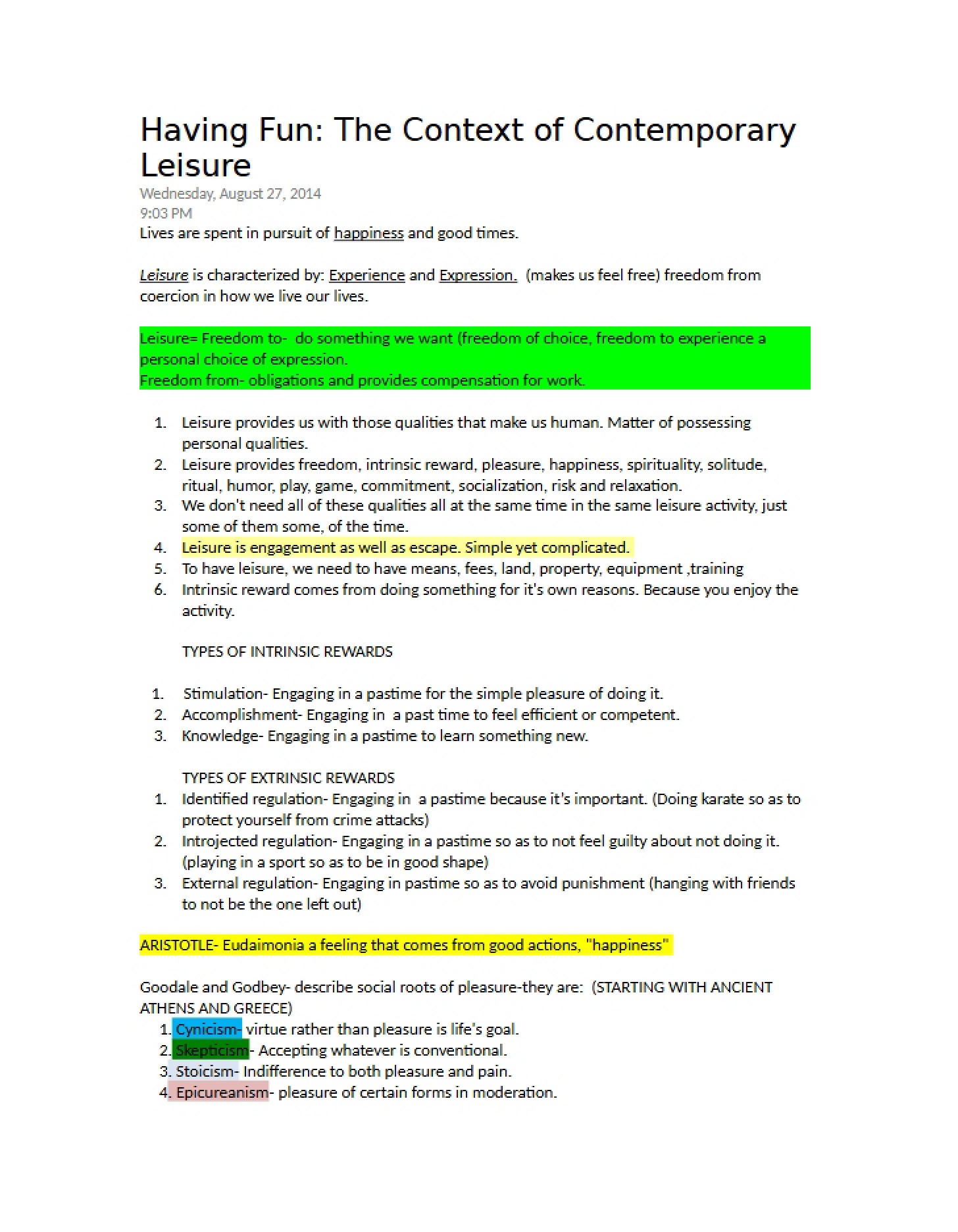
* A detailed look at the Greek understanding of “schole” and its relationship to ideal leisure and civic life.
* Insights into the Roman approach to leisure, including its use as a tool for social control and the prevalence of public spectacles.
* An examination of how the rise of Christianity in the Middle Ages impacted perceptions of leisure and pleasure.
* A historical timeline illustrating the evolution of leisure practices across these civilizations.