What This Document Is
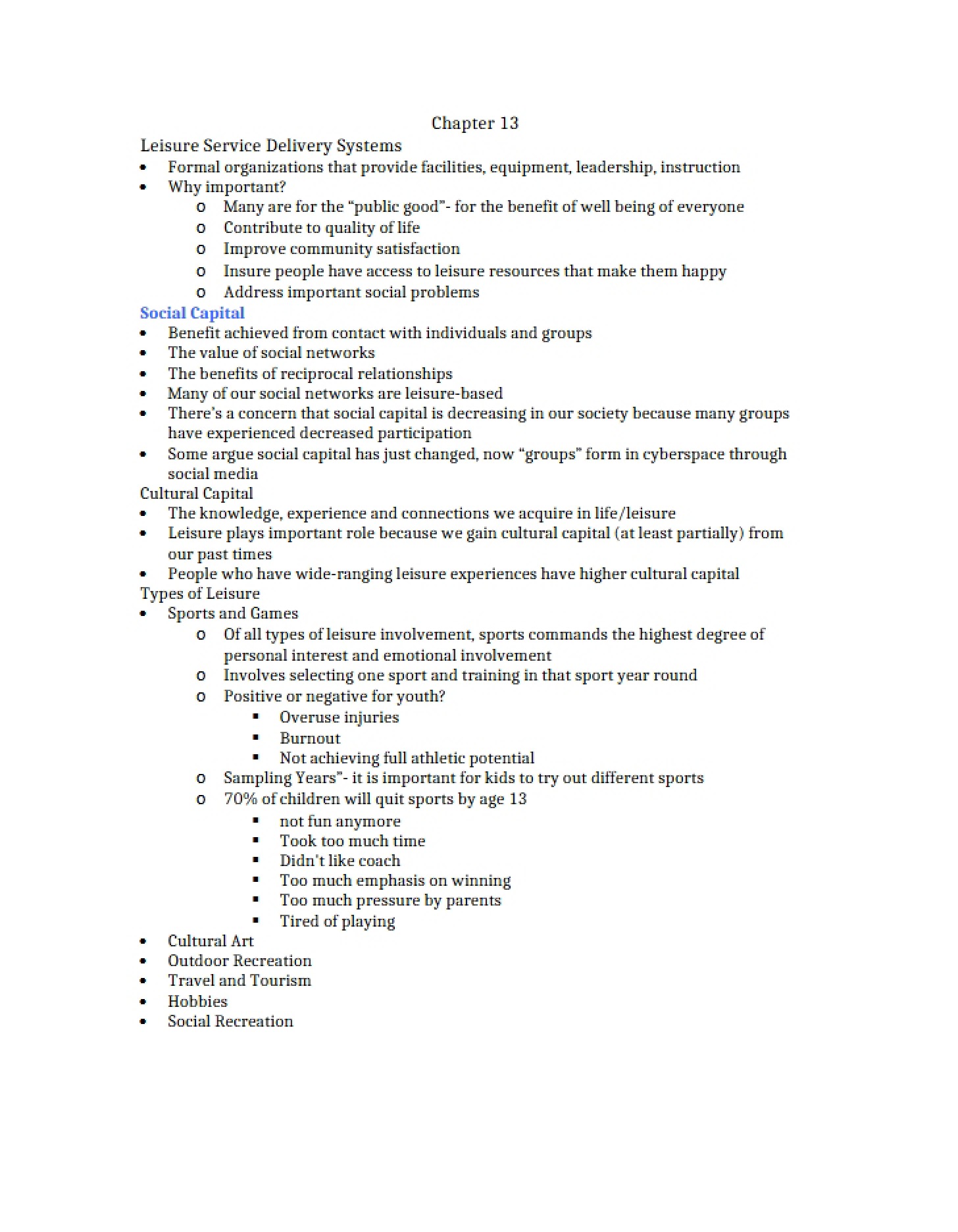
This resource is a focused exploration of popular culture, as part of a broader course on Society and Leisure. It delves into the defining characteristics of what constitutes “pop culture” and its pervasive influence on modern life. The material examines how popular culture differs from other forms of culture, and the forces that drive its trends and evolution. It’s a chapter-length analysis designed to provide a foundational understanding of this dynamic and ever-changing aspect of society.
Why This Document Matters
Students enrolled in introductory sociology, leisure studies, or cultural studies courses will find this particularly valuable. It’s ideal for those seeking to understand the societal impact of widespread trends in entertainment, media, and consumer habits. This material is most helpful when you’re beginning to analyze the relationship between leisure activities and broader social structures, or when preparing to discuss how cultural norms are shaped and reflected in everyday life. It will help you build a framework for critically evaluating the role of popular culture in your own experiences and the world around you.
Common Limitations or Challenges
This resource focuses on conceptual understanding and broad trends. It does *not* offer specific case studies of individual pop culture phenomena, nor does it provide detailed historical analyses of specific movements. It won’t offer predictions about future trends, or prescribe “correct” interpretations of cultural meaning. It’s a starting point for deeper investigation, not a comprehensive encyclopedia of pop culture itself. Access to the full material is required for in-depth exploration of the concepts presented.
What This Document Provides
* A working definition of “popular culture” and its related terms.
* An overview of the key characteristics that define popular culture.
* Discussion of the role of media in shaping and disseminating popular trends.
* Exploration of the connection between popular culture and leisure activities.
* Consideration of the demographic factors influencing popular culture.
* Analysis of specific entertainment sectors – including music, film, and theme parks – as expressions of popular culture.
* A discussion of the potential positive and negative impacts of widespread media consumption.