What This Document Is
This resource delves into the intricacies of cellular immunology, specifically focusing on the processes underlying chronic inflammation. It’s designed as a focused exploration of immune cell roles within prolonged inflammatory responses – going beyond acute inflammation to examine the cellular players and mechanisms involved in persistent conditions. The material builds upon foundational immunological principles, applying them to a complex physiological state.
Why This Document Matters
This material is particularly valuable for students in advanced pharmacology or immunology courses seeking a deeper understanding of disease pathogenesis. It’s ideal for those preparing to study the pharmacological interventions used to modulate inflammatory responses, as a firm grasp of the cellular processes is crucial for understanding drug mechanisms. Students will benefit from this resource when needing to connect immunological principles to real-world chronic disease states and the body’s attempts at repair. It’s a strong foundation for understanding how various therapeutic strategies target specific cellular components of the inflammatory cascade.
Common Limitations or Challenges
This resource concentrates on the *cellular* aspects of chronic inflammation. It does not provide a comprehensive overview of all inflammatory conditions, nor does it detail specific drug therapies or clinical protocols. It assumes a baseline understanding of fundamental immunological concepts and terminology. While it touches upon examples of chronic inflammatory states, it does not offer exhaustive clinical case studies or diagnostic criteria.
What This Document Provides
* An examination of the stages and characteristics that define chronic inflammation.
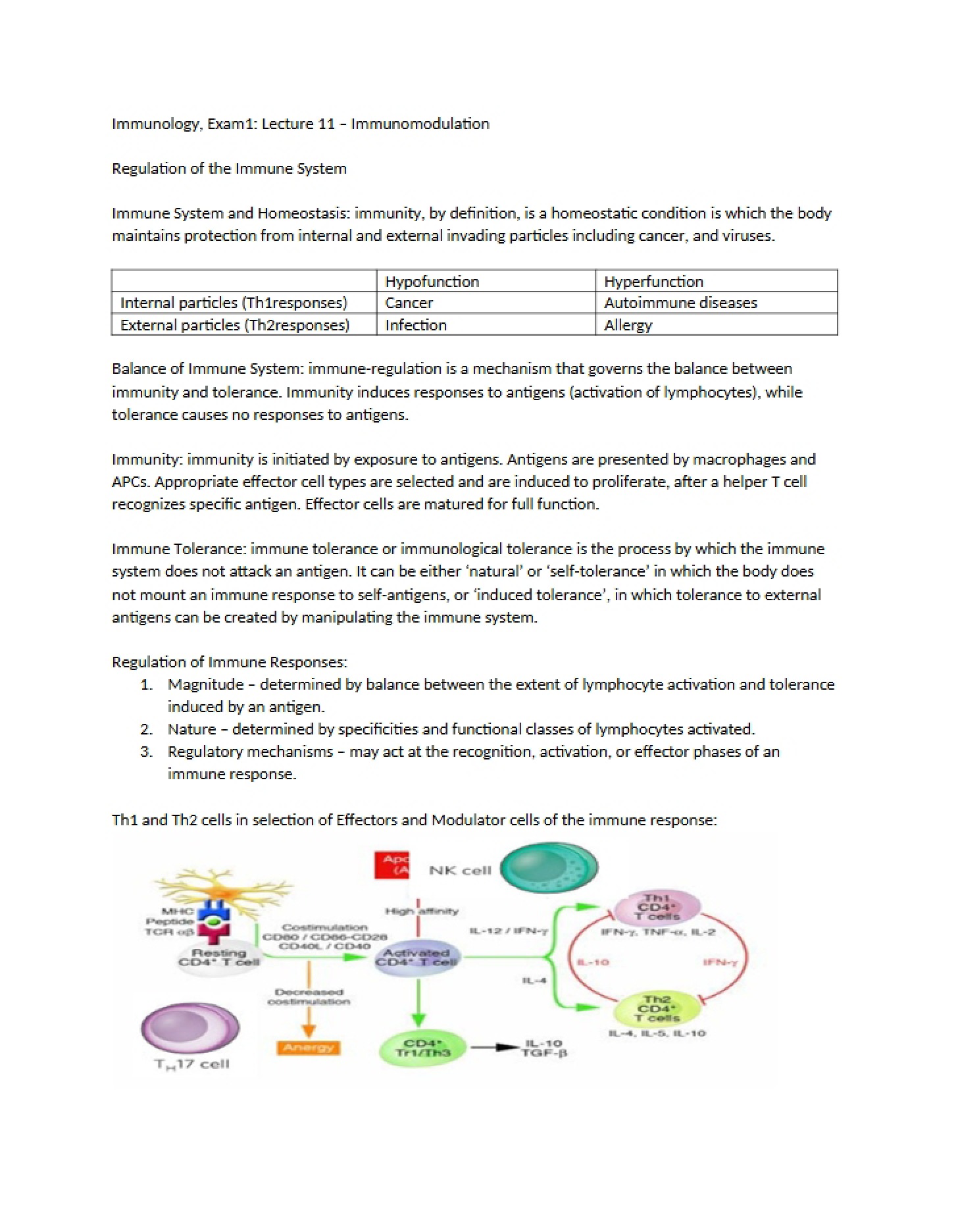
* Detailed discussion of the roles of key immune cells – including macrophages, lymphocytes, and plasma cells – in the development and progression of chronic inflammatory processes.
* Exploration of the factors that can initiate and sustain chronic inflammation.
* Insights into the mechanisms of neutrophil clearance and its importance in resolving inflammation.
* Consideration of the role of connective tissue cells, like fibroblasts, in tissue repair and the potential for pathological changes.