What This Document Is
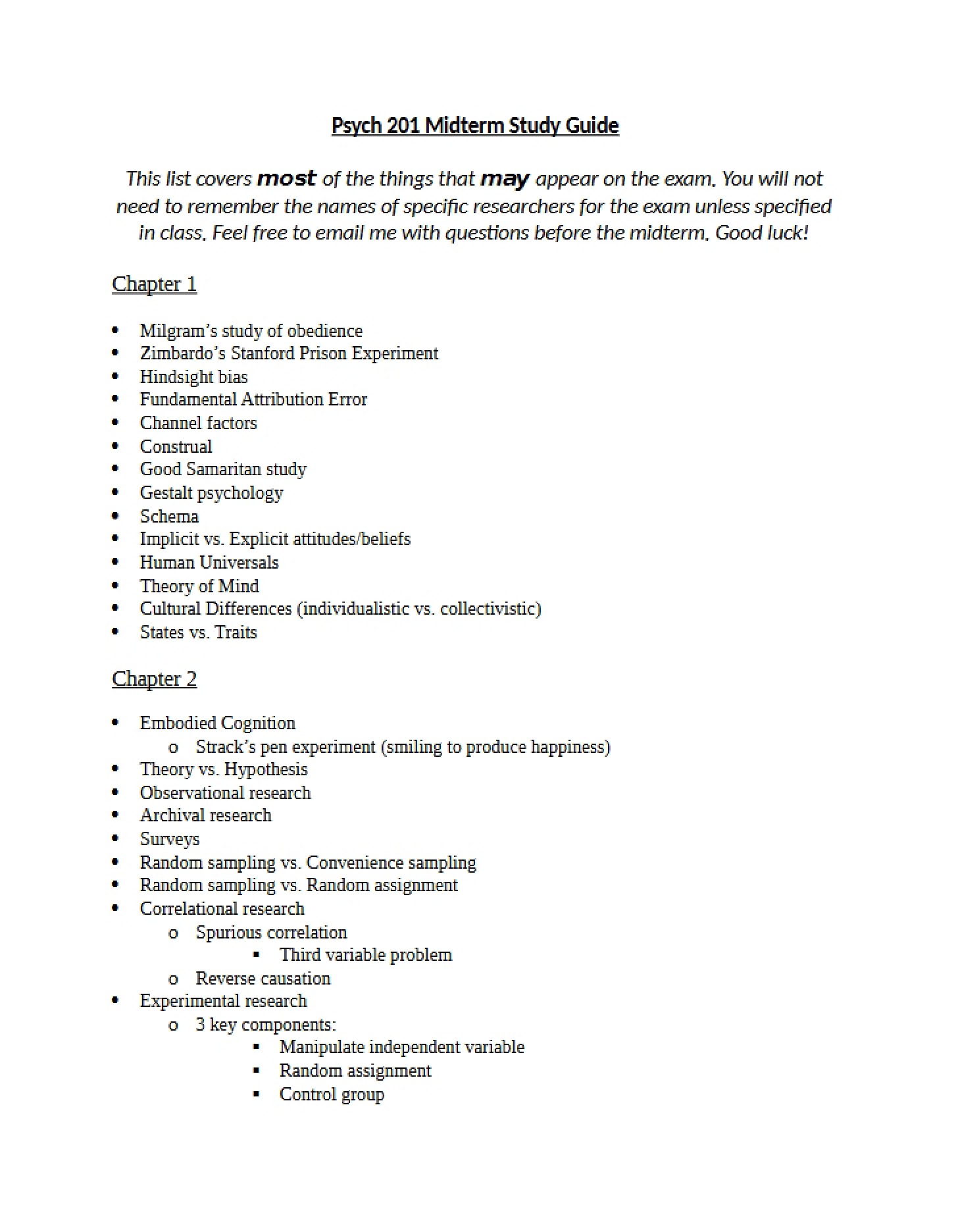
This is a comprehensive study guide designed to support students in PSYC 201 at the University of Illinois at Urbana-Champaign. It focuses on key concepts within the field of social psychology, specifically exploring the dynamics of how individuals think, feel, and behave in social situations. The guide covers a broad range of topics, from the subtle influences shaping our daily interactions to the complexities of close relationships and the challenges of intergroup relations. It appears to cover material from Chapters 9-11, building upon concepts introduced earlier in the course.
Why This Document Matters
This study guide is an invaluable resource for students preparing for exams, quizzes, or simply seeking a deeper understanding of social psychology principles. It’s particularly helpful for those who benefit from a structured overview of course material and want to identify core themes and areas for focused study. Students who struggle with applying theoretical concepts to real-world scenarios will find this guide particularly useful as it aims to synthesize complex ideas into a manageable format. It’s best utilized *after* attending lectures and completing assigned readings, serving as a tool for consolidation and review.
Common Limitations or Challenges
This study guide is designed to *supplement* – not replace – active participation in the course. It does not contain the full lecture content, original research findings, or detailed explanations of every nuance discussed in class. It also doesn’t provide practice questions or direct answers to potential exam questions; its purpose is to guide your understanding of the material, not to provide shortcuts. Access to the full guide is required to unlock the detailed explanations and comprehensive coverage of the topics.
What This Document Provides
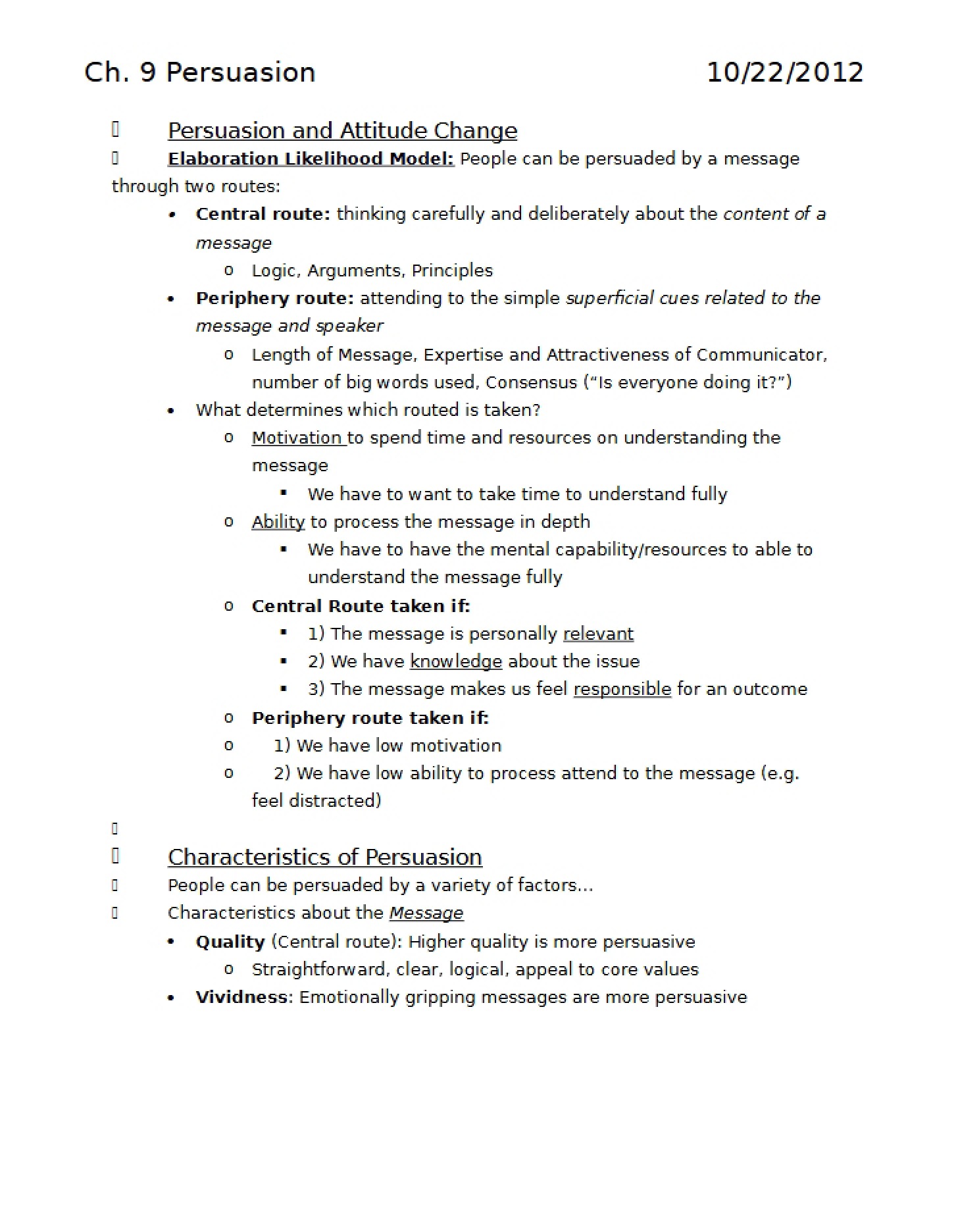
* A focused overview of social influence, including distinctions between conformity, compliance, and obedience.
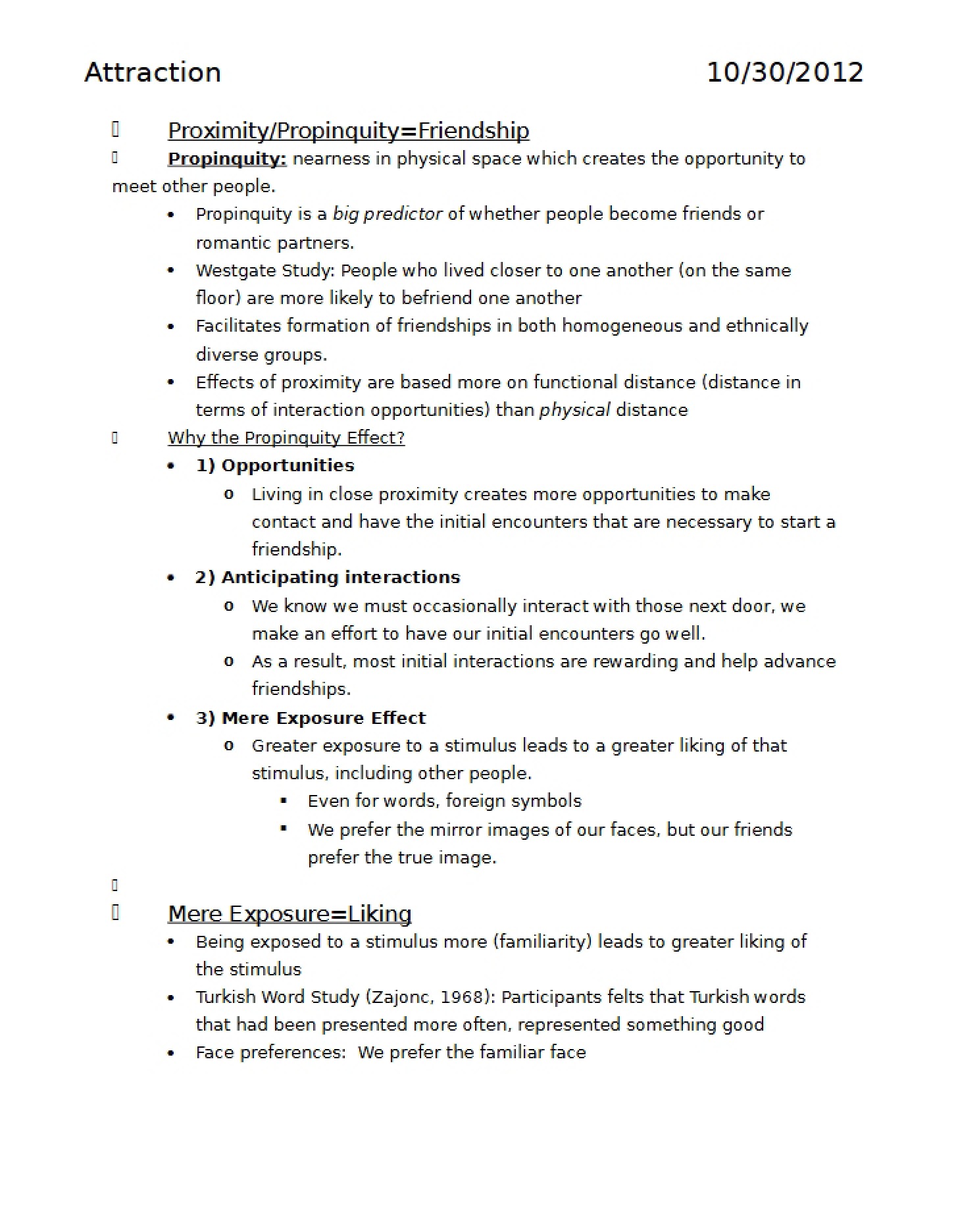
* Exploration of the factors impacting interpersonal attraction and relationship development.
* Discussion of attachment styles and their influence on relationship dynamics.
* Analysis of the psychological underpinnings of stereotypes, prejudice, and discrimination.
* Key concepts related to social cognition and how we form impressions of others.
* Examination of the role of evolutionary and sociocultural factors in social behavior.
* Coverage of theories related to commitment and marital satisfaction.
* A framework for understanding the complexities of human social interaction.