What This Document Is
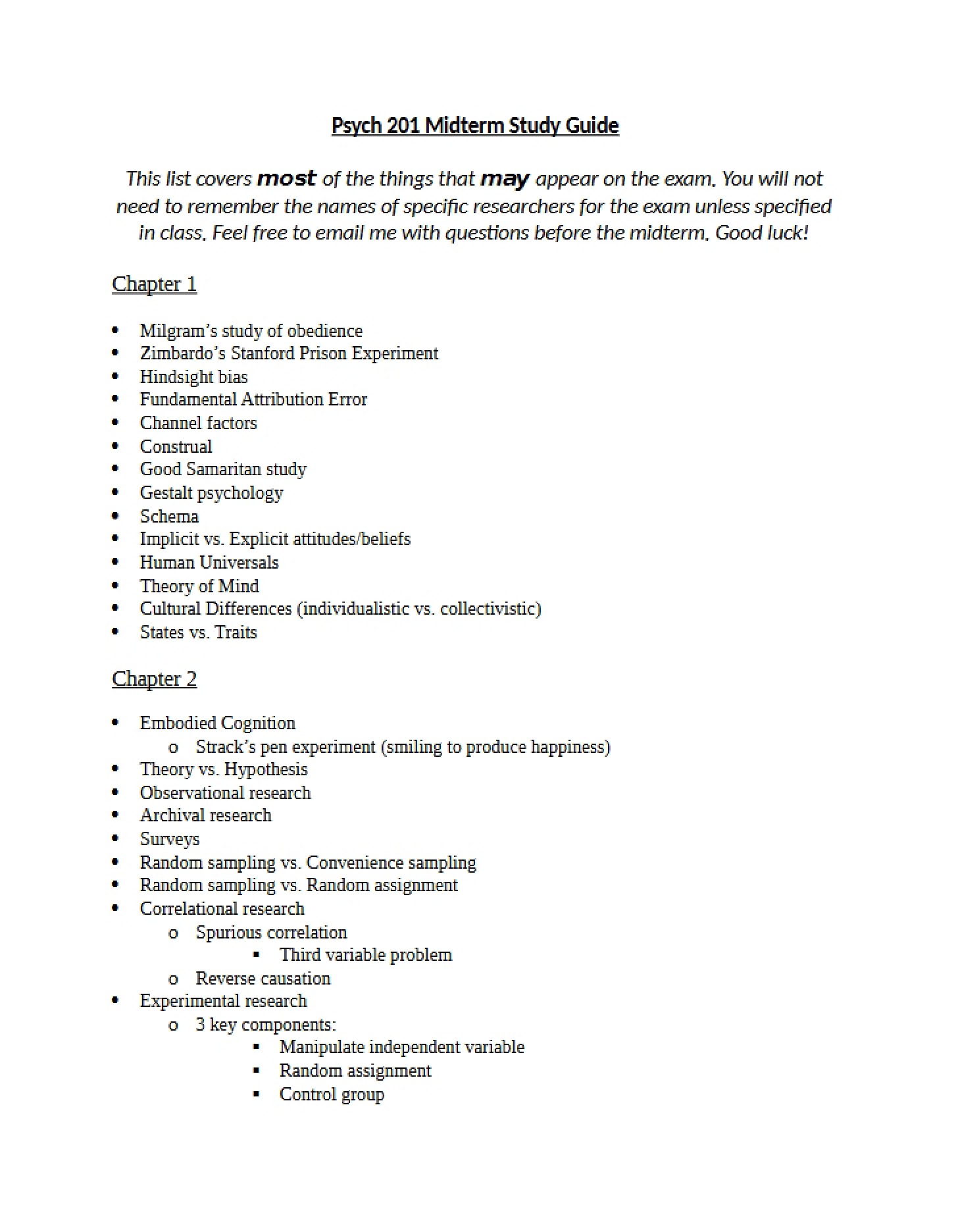
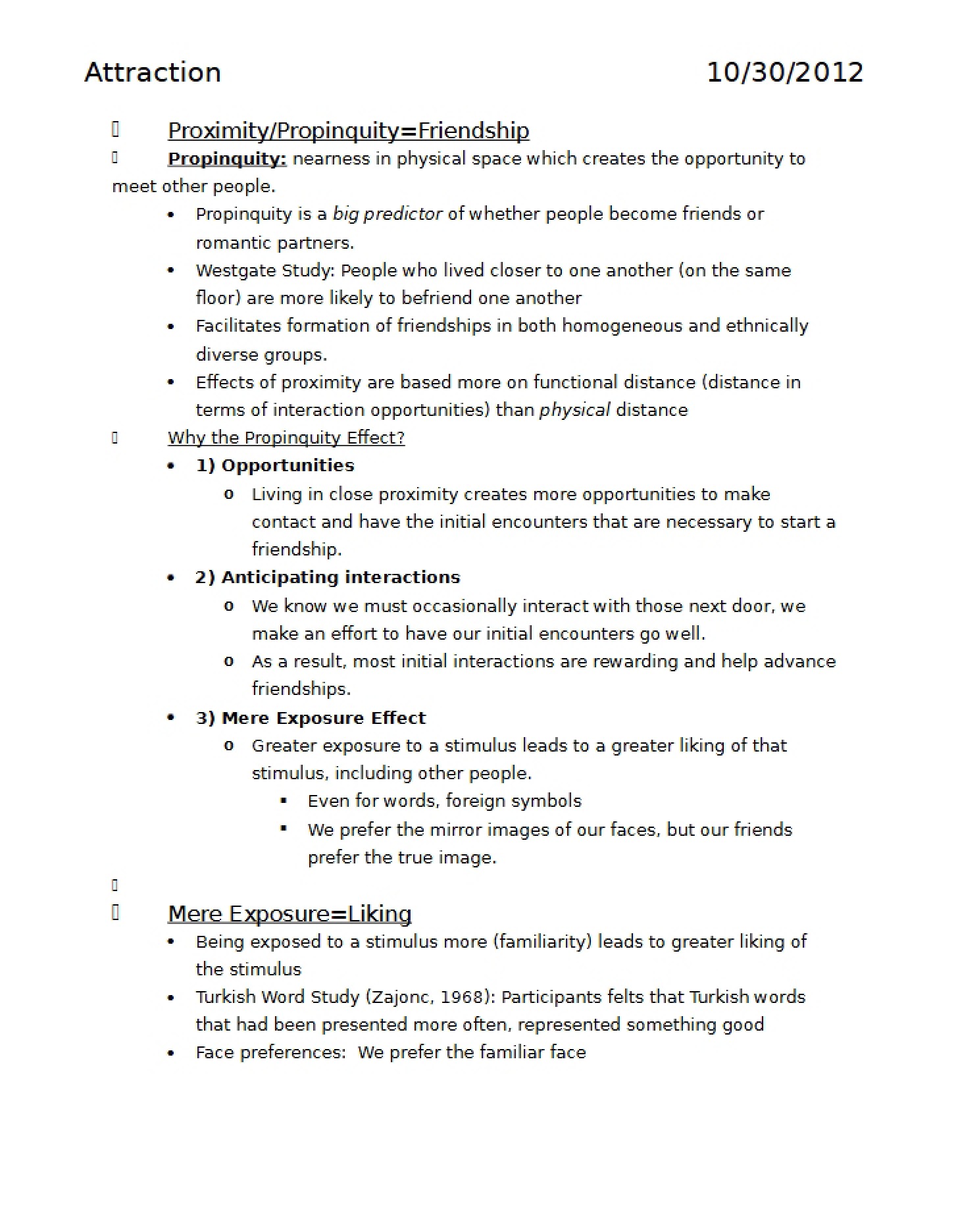
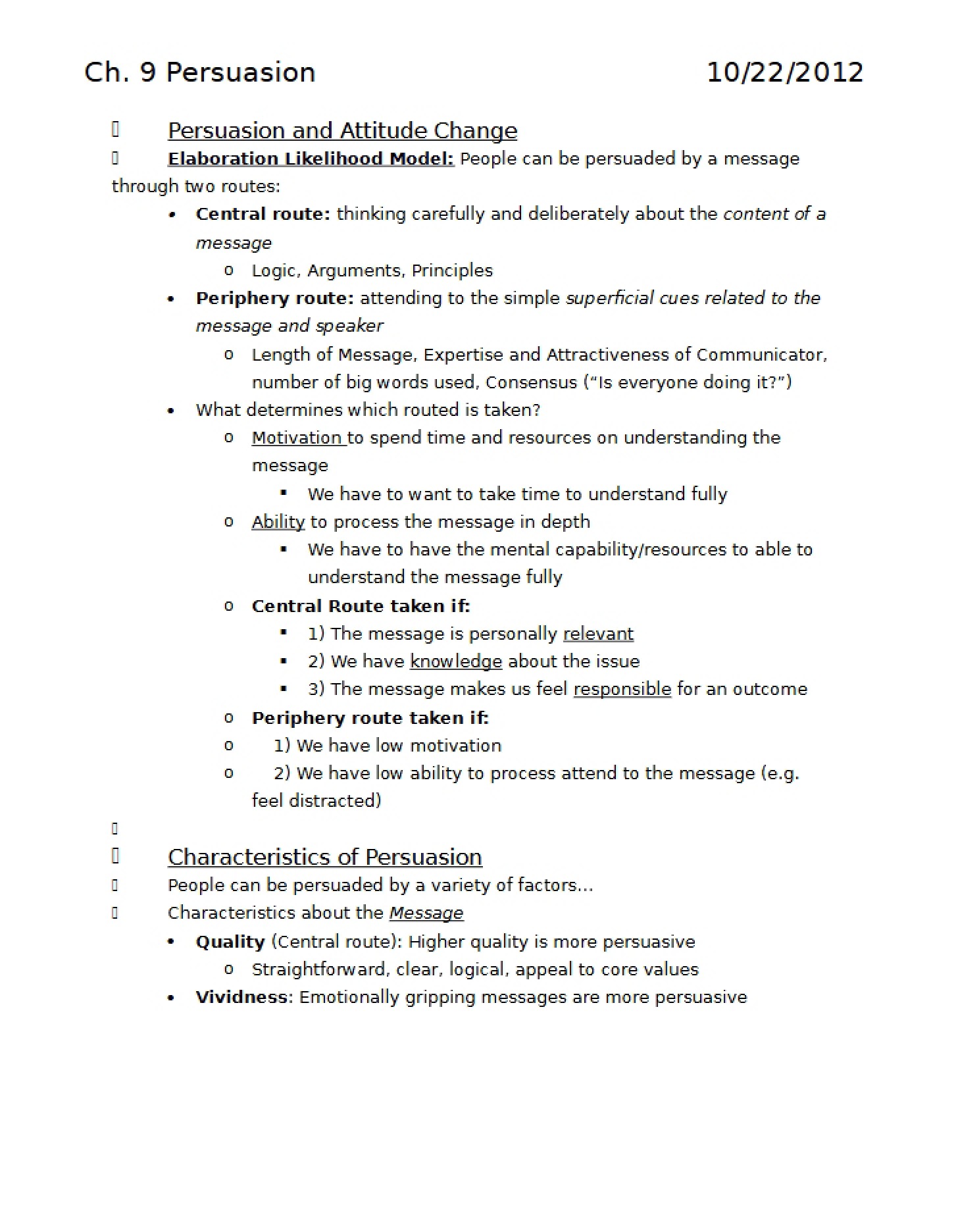
This document offers a foundational introduction to the field of Social Psychology, as taught at the University of Illinois at Urbana-Champaign (PSYC 201). It’s designed to establish a comprehensive understanding of the core principles that govern how individuals think, feel, and behave in social contexts. The material explores the unique position of social psychology within the broader landscape of psychological and social sciences, outlining its specific focus and methodologies. It delves into the historical roots of the discipline and the key theoretical frameworks that continue to shape research today.
Why This Document Matters
This resource is ideal for students beginning their study of social psychology, or those seeking a refresher on fundamental concepts. It’s particularly useful for understanding the scope of the field and how it differs from related disciplines like sociology and anthropology. Students preparing for more advanced coursework, research projects, or discussions will find this a valuable starting point. It’s best utilized at the beginning of a social psychology course, or when needing to clarify the discipline’s core tenets.
Common Limitations or Challenges
This document provides a broad overview and does *not* include in-depth analyses of specific studies, detailed experimental procedures, or practice questions. It focuses on establishing the theoretical groundwork and historical context, rather than offering a complete, self-contained learning experience. It will not provide solutions to complex social psychological problems, nor will it substitute for active participation in course lectures and discussions.
What This Document Provides
* A clear definition of Social Psychology and its core areas of investigation.
* A comparative analysis of Social Psychology alongside related fields.
* An outline of the primary goals that drive research in Social Psychology.
* An overview of the historical development of the field, highlighting key figures and influential ideas.
* An introduction to fundamental concepts like construal, schemas, and attribution theory.
* Exploration of evolutionary perspectives on human behavior and the influence of culture.