What This Document Is
This is a laboratory practical guide designed for an introductory Earth History course, specifically focusing on foundational concepts in geology. It centers around developing skills in observation, interpretation, and identification – crucial for understanding the materials that compose our planet and the processes that have shaped it over time. The lab exercises build from basic characteristics of life to the identification of minerals and rocks, culminating in an exploration of plate tectonics. It’s a hands-on resource intended to complement lectures and provide practical application of geological principles.
Why This Document Matters
This resource is invaluable for students enrolled in introductory geology courses, particularly those with a lab component. It’s most beneficial when preparing for practical exams or when needing a structured approach to identifying geological specimens. Students who struggle with visual identification or applying theoretical knowledge to real-world samples will find this particularly helpful. It’s designed to reinforce core concepts and build confidence in observational skills – skills that are transferable to many other scientific disciplines.
Common Limitations or Challenges
This guide provides a framework for laboratory exercises but does not substitute for active participation in the lab itself. It doesn’t offer complete solutions or detailed explanations for every observation; rather, it’s designed to guide *your* interpretations. It assumes a basic understanding of geological terminology introduced in lectures. Furthermore, it focuses on a specific set of minerals and rock types and doesn’t encompass the full breadth of geological diversity.
What This Document Provides
* A structured approach to evaluating the characteristics that define living organisms.
* An overview of key physical properties used in mineral identification.
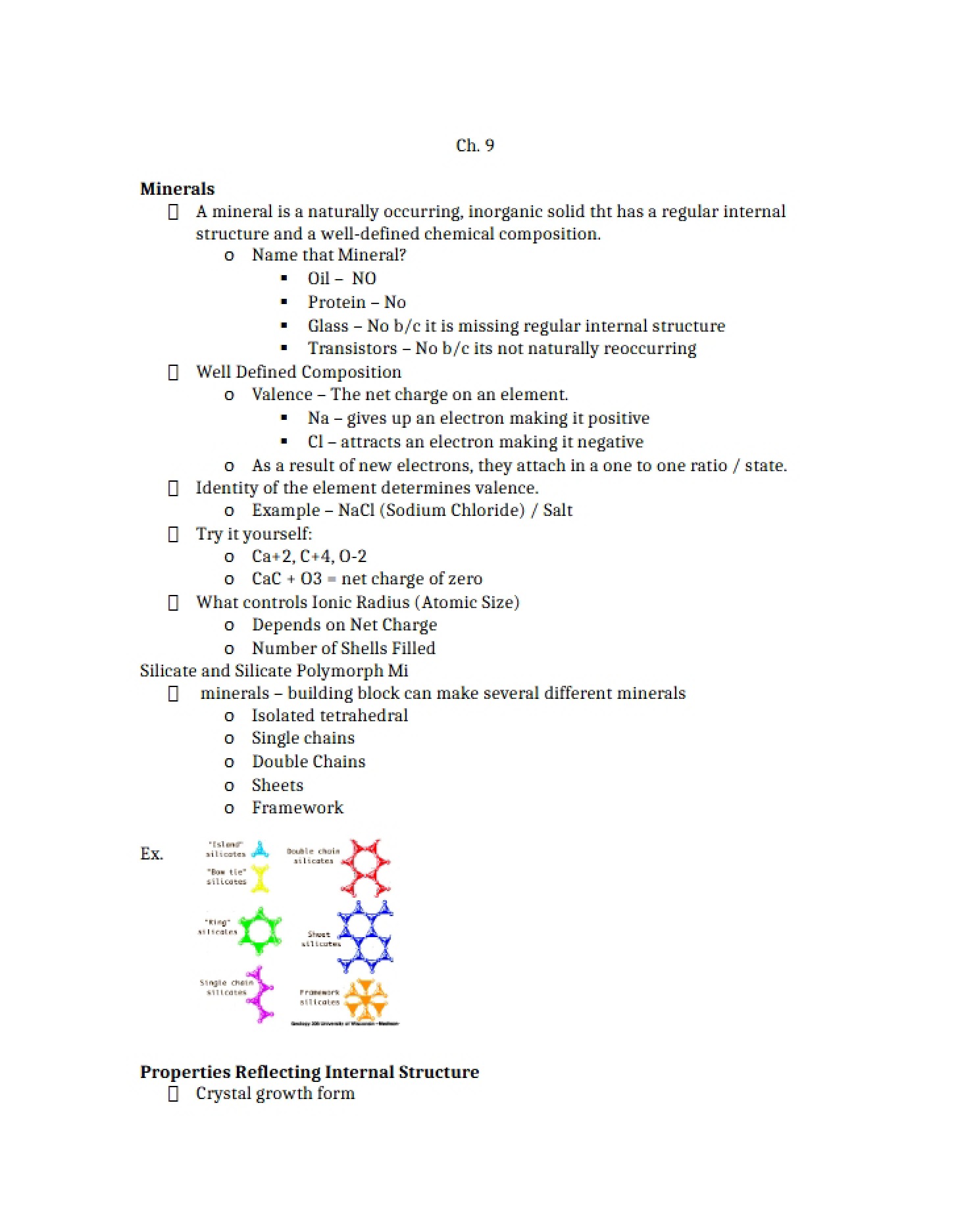
* A framework for classifying minerals based on their composition and characteristics.
* An introduction to the three major rock types – igneous, sedimentary, and metamorphic – and their formation processes.
* Guidance on differentiating between continental and oceanic crust.
* An exploration of plate tectonic settings and associated geological features.
* A series of exercises designed to enhance observational and analytical skills.