What This Document Is
This is a comprehensive review of fundamental chemistry concepts, specifically tailored for students in an Earth History course. It revisits core principles necessary to understand the chemical underpinnings of geological processes and the evolution of our planet. The material focuses on the building blocks of matter and how they interact, establishing a foundation for more complex topics explored later in the course. It’s designed as a refresher, assuming some prior exposure to high school chemistry, but providing a focused review relevant to geological applications.
Why This Document Matters
Students enrolled in GEOL 125Lg – Earth History – will find this resource particularly valuable. A solid grasp of chemistry is crucial for understanding mineral composition, rock formation, geochemical cycles, and the processes that have shaped Earth over billions of years. This review is ideal for students needing to solidify their understanding of atomic structure, bonding, and chemical reactions *before* diving into the geological context. It’s also a helpful resource for revisiting key concepts throughout the semester as they relate to specific Earth History topics.
Common Limitations or Challenges
This review is not a substitute for a full chemistry course. It assumes a baseline understanding of scientific principles and focuses on concepts *directly* applicable to Earth History. It does not delve into advanced chemical theories or complex calculations. While it explains the *why* behind chemical behavior, it doesn’t provide extensive problem-solving practice. Access to this resource will not automatically grant proficiency; dedicated study and application of the concepts are still required.
What This Document Provides
* A detailed exploration of atomic structure, including subatomic particles and their properties.
* An overview of the periodic table and how elemental properties relate to atomic number and weight.
* Explanation of electron configuration and how it influences chemical bonding.
* Discussion of different types of chemical bonds (ionic and covalent) and the forces that govern them.
* Definitions of key terms like molecules, ions, and compounds.
* An introduction to the concept of chemical reactions and their relevance to geological systems.
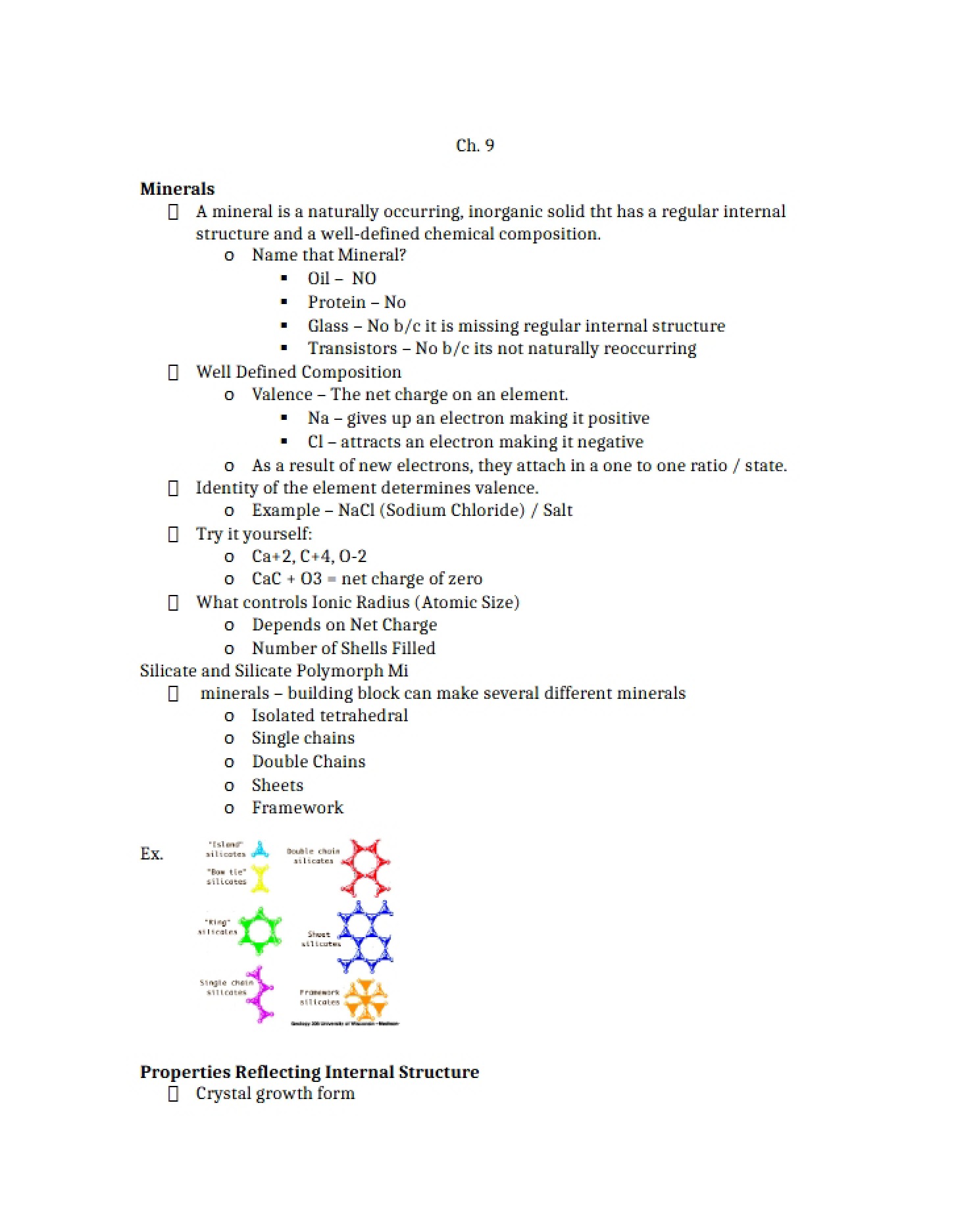
* A foundational understanding of what defines a mineral from a chemical perspective.