What This Document Is
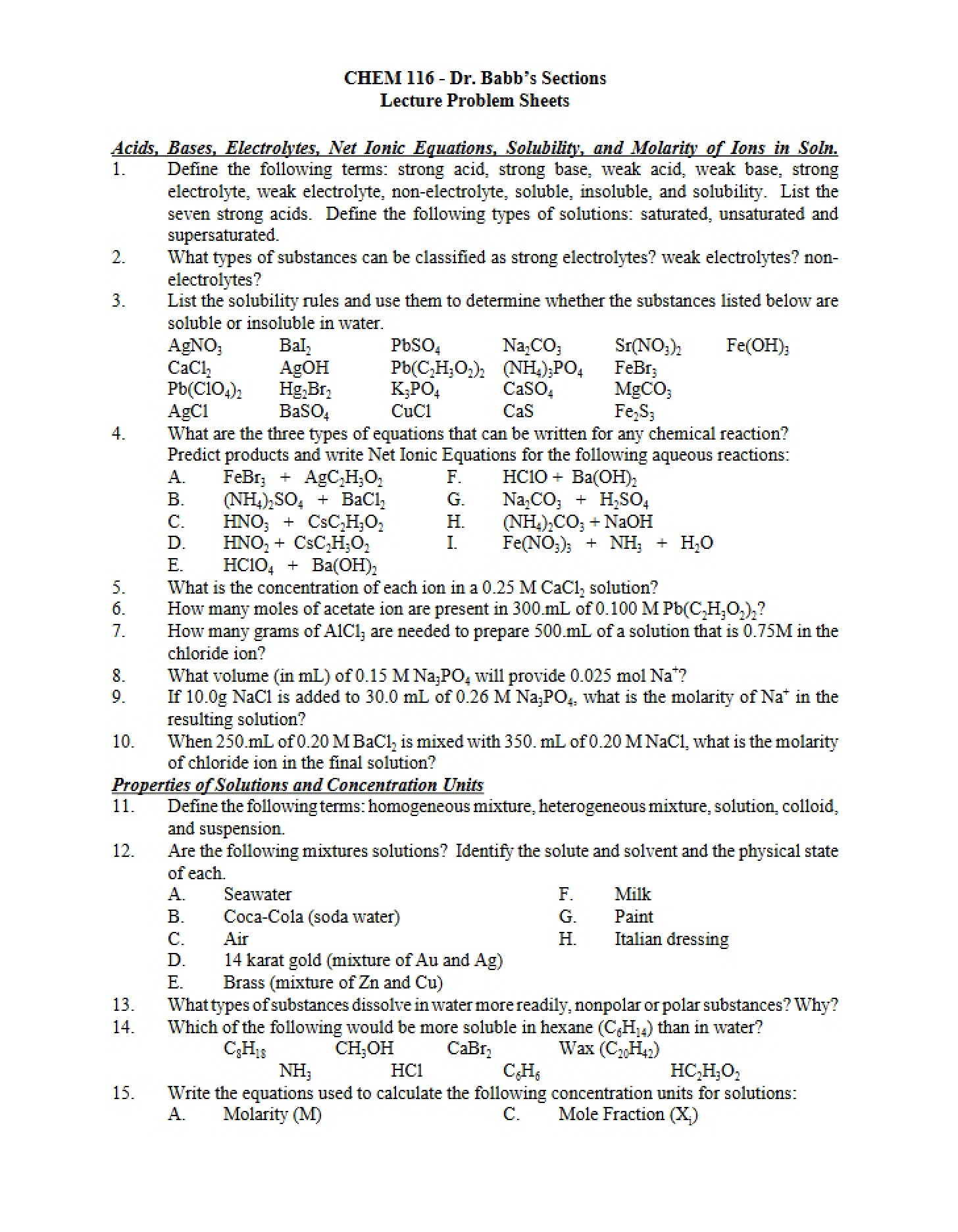
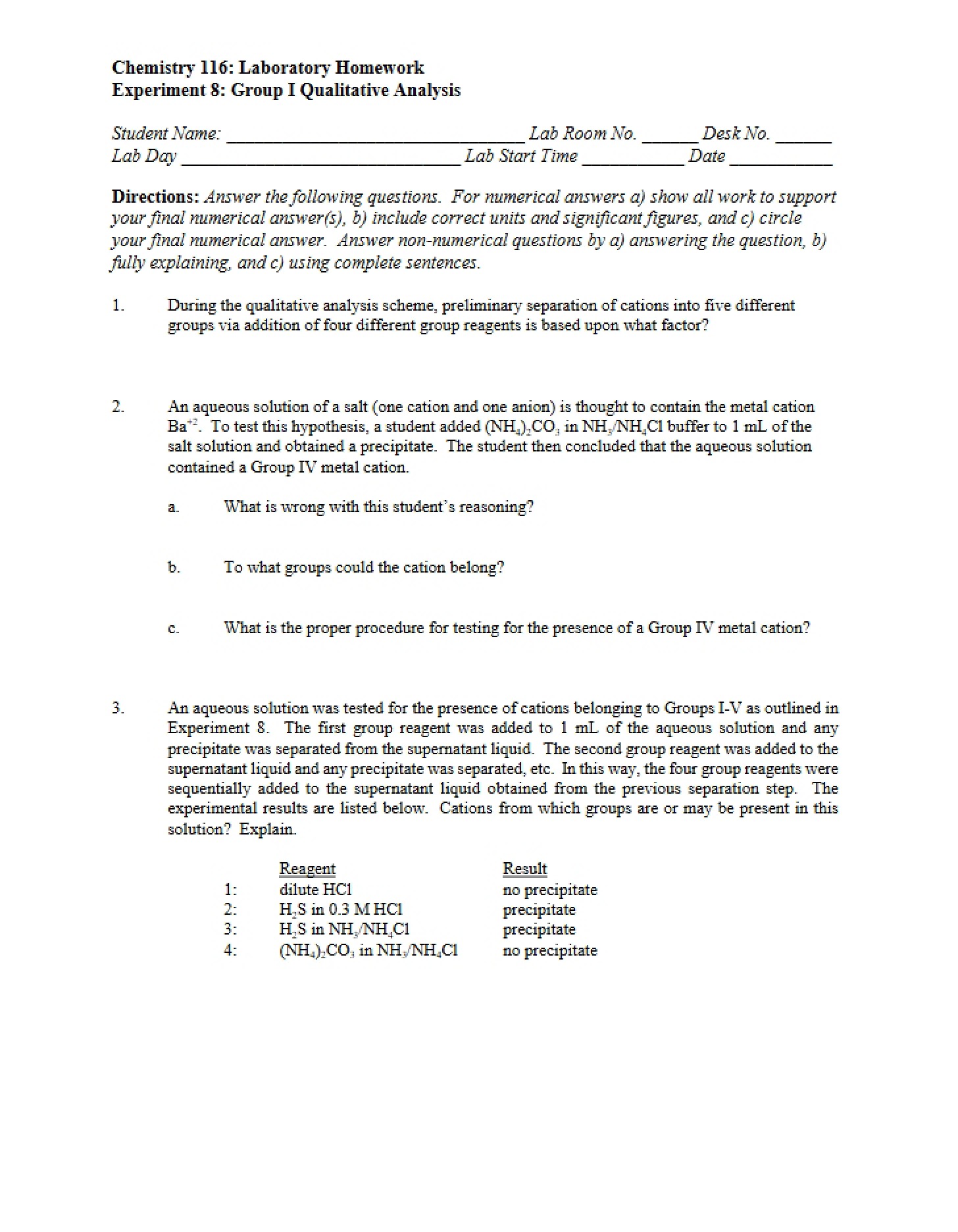
This document provides a foundational overview of solutions within the context of a second-semester general chemistry course (CHEM 116) at West Virginia University. It’s designed as a lecture note outline, meaning it summarizes and organizes key concepts related to mixtures, specifically focusing on the properties and characteristics of solutions and colloids. The material builds upon prior knowledge of pure substances covered in a first-year chemistry course.
Why This Document Matters
This resource is invaluable for students enrolled in CHEM 116 who are looking to solidify their understanding of solution chemistry. It’s particularly helpful for those who benefit from a structured approach to note-taking and concept review. Use this outline during lectures, while completing homework assignments, or as a study aid before quizzes and exams. A strong grasp of solutions is crucial for success in subsequent chemistry topics, as solution chemistry is fundamental to many areas of the field.
Common Limitations or Challenges
This document is an *outline* of lecture material. It does not contain fully worked-out problems, detailed experimental procedures, or comprehensive explanations of every nuance of solution behavior. It’s intended to be used *in conjunction with* textbook readings, lectures, and independent study. It assumes a basic understanding of intermolecular forces, which are referenced but not fully re-explained. Access to the full material is required for a complete understanding of the concepts.
What This Document Provides
* A clear distinction between pure substances and mixtures.
* Categorization of mixtures into homogeneous and heterogeneous types.
* An introduction to colloids, including their particle size and observable properties.
* A review of relevant intermolecular forces and their role in solution formation.
* A guiding principle for predicting the solubility of different substances.
* Conceptual framework for understanding the interactions between solutes and solvents.