What This Document Is
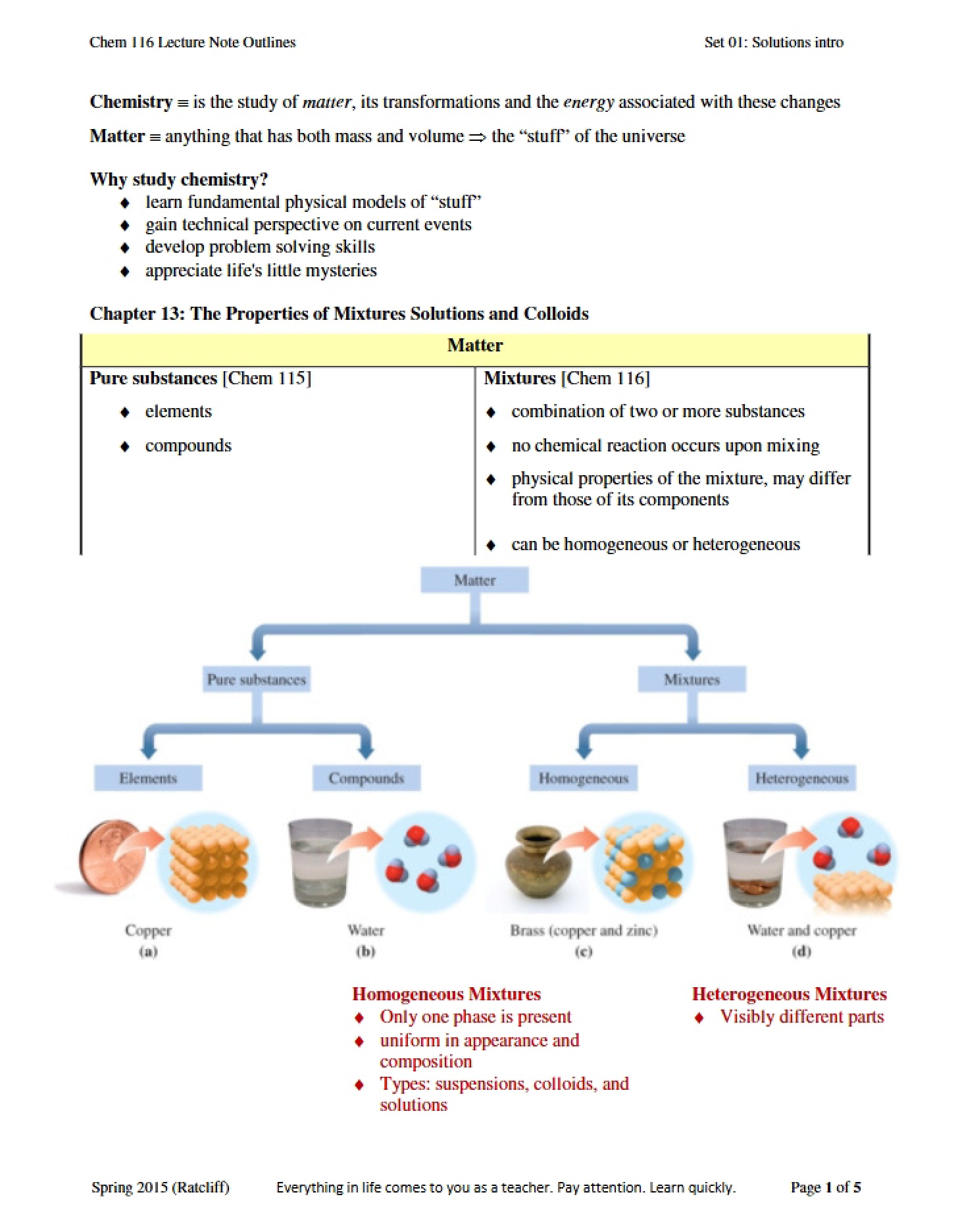
This document comprises detailed lecture note outlines for CHEM 116, Fundamentals of Chemistry II at West Virginia University, specifically focusing on the topic of colligative properties. It’s designed to accompany classroom instruction and provide a structured framework for understanding this crucial area of chemistry. The material explores the behavior of solutions and how the addition of solutes impacts physical properties. It delves into the solubility of substances, examining the influences of pressure and temperature on both solids and gases dissolved in liquids.
Why This Document Matters
These outlines are invaluable for students enrolled in CHEM 116 seeking to solidify their grasp of colligative properties. They are particularly helpful for those who benefit from a well-organized presentation of key concepts and relationships. Use these notes during lectures to enhance note-taking, or as a study aid when reviewing material before quizzes or exams. Understanding colligative properties is foundational for more advanced topics in chemistry, including chemical thermodynamics and solution chemistry. Students preparing for related coursework or professional studies will find this a useful resource.
Common Limitations or Challenges
This document presents a comprehensive *outline* of the lecture material. It does not, however, provide fully worked-out problems or detailed step-by-step solutions. It’s intended to be used *in conjunction* with textbook readings, homework assignments, and active participation in class. The notes are a guide, not a replacement for independent study and problem-solving practice. It assumes a foundational understanding of basic chemistry principles covered in CHEM 115.
What This Document Provides
* A detailed exploration of factors affecting solubility, including the impact of pressure and temperature.
* An introduction to Henry’s Law and its application to gas solubility.
* A clear definition and explanation of colligative properties – vapor pressure lowering, boiling point elevation, freezing point depression, and osmotic pressure.
* Conceptual checks designed to test understanding of key principles.
* Discussion of real-world applications of colligative properties, such as antifreeze and desalination.
* Examination of Raoult’s Law and its application to vapor pressure.
* Analysis of solutions containing both volatile and non-volatile solutes.